Category: Insect behavior

  • A Master Guide to Communication in Insects

    A Master Guide to Communication in Insects

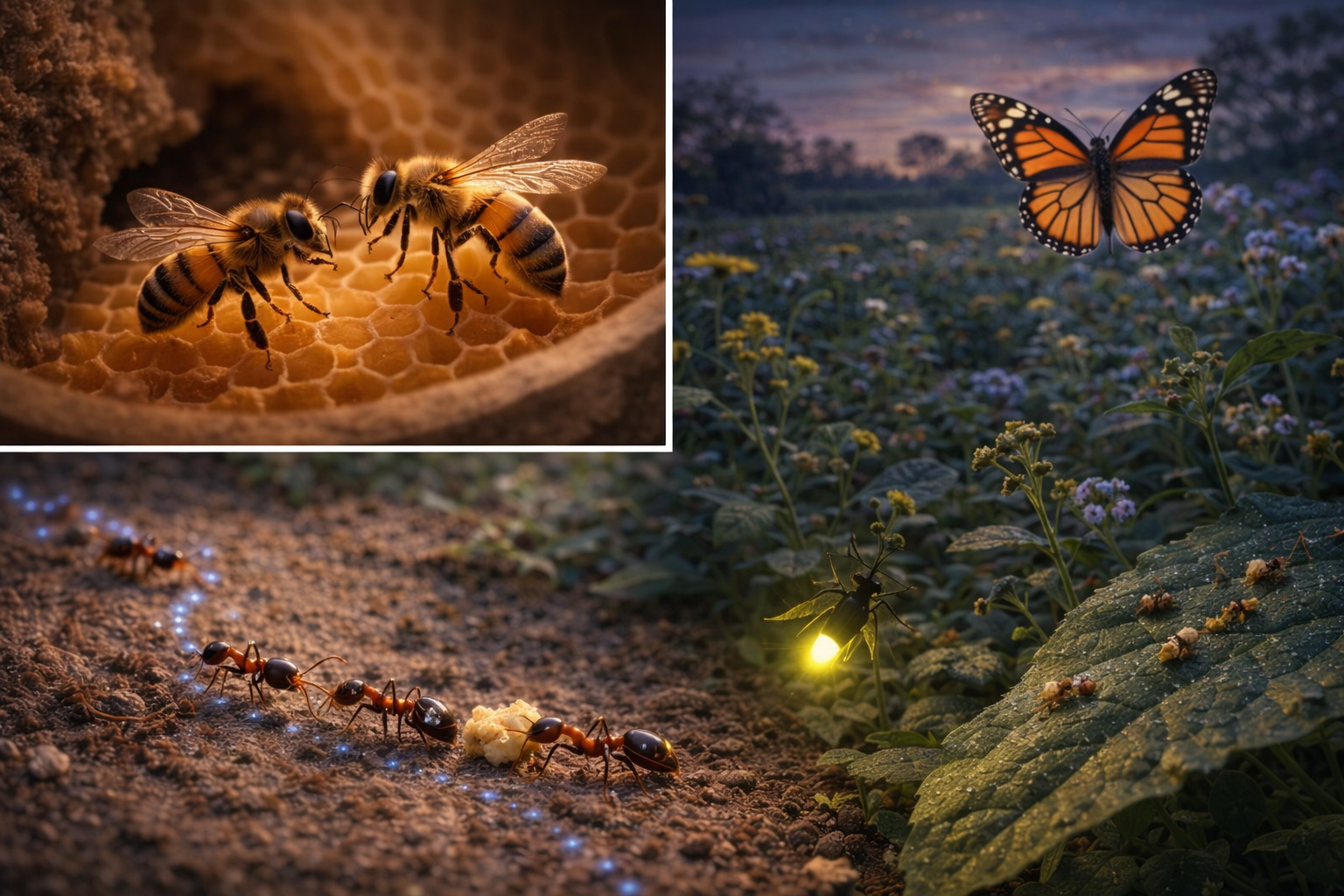
    In the scientific study of life, we have discovered that the natural world is far from silent; it is filled with a constant stream of biological data. The various forms of communication in insects represent a complex “language of survival” that allows these organisms to coordinate everything from mass migrations to the defense of a single hive. In 2026, researchers are decoding these signals to better understand how millions of individuals can act as a single, intelligent unit, providing us with a blueprint for advanced robotics and more sustainable agricultural management.

    The fundamental success of any insect colony or species depends on its ability to send and receive clear, actionable information. Unlike human language, communication in insects utilizes a multi-sensory approach that combines chemical markers, physical vibrations, and visual displays to bridge the gap between individuals. These behavioral patterns are not merely random actions but are highly refined signaling systems that have evolved over millions of years to ensure that critical messages—such as the location of a food source or the approach of a predator—are transmitted with near-perfect accuracy.

    As global environments continue to shift, the importance of understanding these signaling methods has never been higher. By mastering the science behind communication in insects, we gain the ability to protect essential pollinators and develop non-toxic pest management strategies that utilize the insects’ own “data streams” against them. This master guide explores the intricate networks of the insect world, revealing how the smallest wonders of nature use the power of communication to dominate nearly every ecosystem on our planet.

    Decoding the Signal: The Fundamentals of Insect Behavioral Patterns

    In the scientific study of life, the transition from basic survival to complex interaction is driven by the reliability of the signals sent between individuals. To understand the various forms of communication in insects, we must first look at the behavioral foundations that allow a solitary organism to evolve into a member of a high-functioning society. These behavioral patterns act as the hardware upon which the software of social communication is built, enabling insects to navigate a world filled with competing sensory data.

    From Solitary to Social: The Evolution of Interaction

    The evolution of sociality in the insect world is a journey from independent survival to total interdependence. Most primitive communication in insects began as simple “cues,” such as the scent a beetle leaves behind, which others might unintentionally follow. Over millions of years, these accidental cues were refined into intentional signals. This shift allowed solitary hunters to evolve into “eusocial” colonies, like those of ants and termites, where individual behavior is entirely sacrificed for the collective good of the hive through constant, real-time data sharing.

    Signal vs. Noise: How Insects Filter Critical Information

    In a crowded ecosystem, the air and ground are saturated with “noise,” including irrelevant scents, wind vibrations, and light reflections. Effective communication in insects requires a high degree of signal filtering to ensure that a vital message is not lost. Insects achieve this through specialized sensory tuning, where their receptors are “locked” to a specific frequency or chemical structure. For instance, a male moth’s antennae are so finely tuned to the specific pheromone of a female that they can detect a single molecule amidst millions of other scent particles, demonstrating an incredible biological ability to isolate a signal from the noise of the environment.

    The Fundamentals of Insect Behavioral Patterns
    The Fundamentals of Insect Behavioral Patterns

    The Four Pillars of Communication in Insects

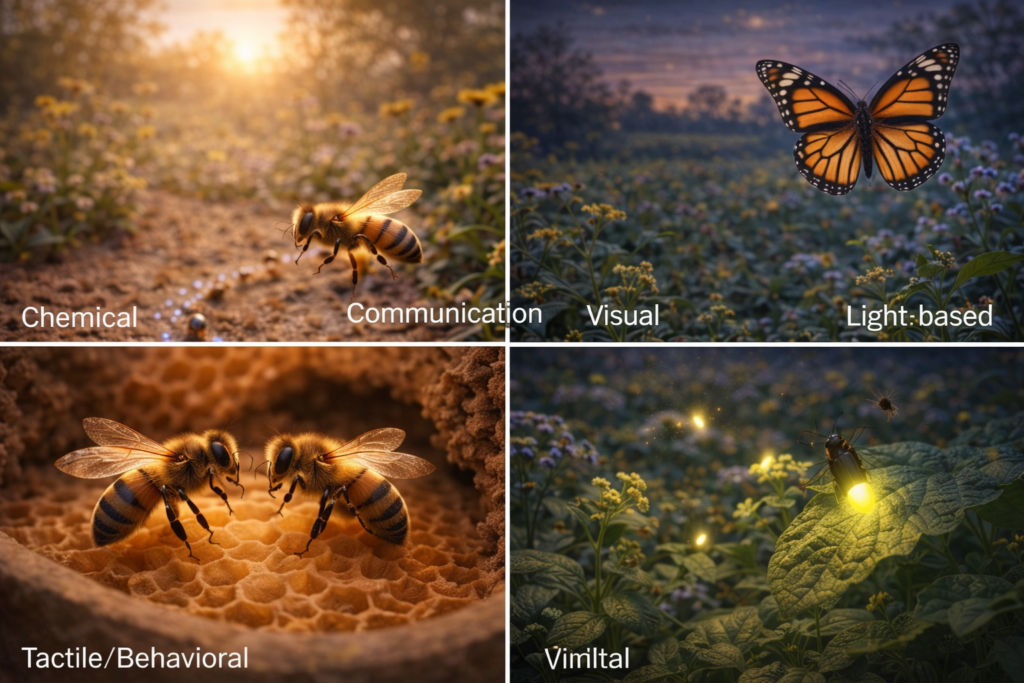
    In the scientific study of life, the complexity of an insect’s world is managed through four primary sensory channels. These “pillars” represent the diverse methods of communication in insects, each serving a specific environmental or social purpose. By utilizing these distinct streams of data, insects can coordinate complex tasks across large distances or within the crowded, dark tunnels of a subterranean nest.

    Chemical Networks: The Invisible World of Pheromones

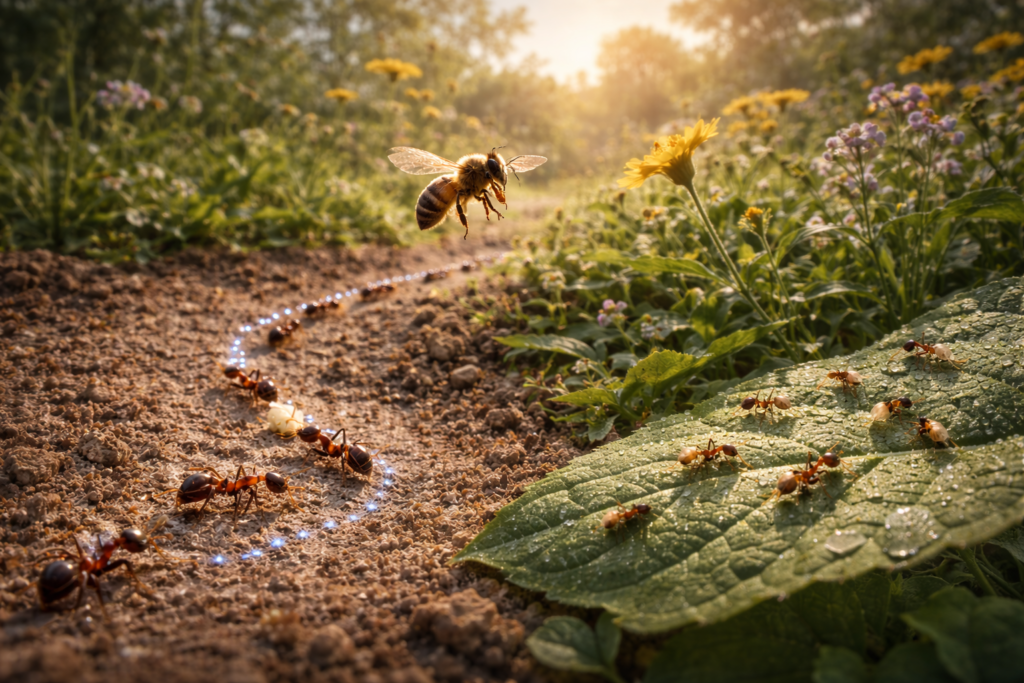
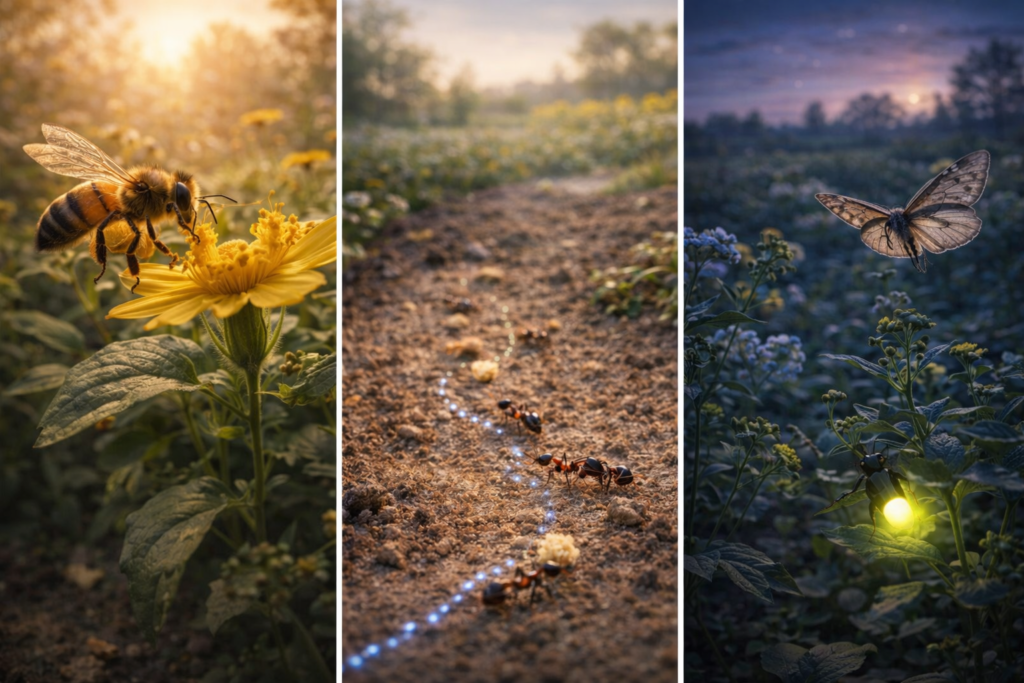
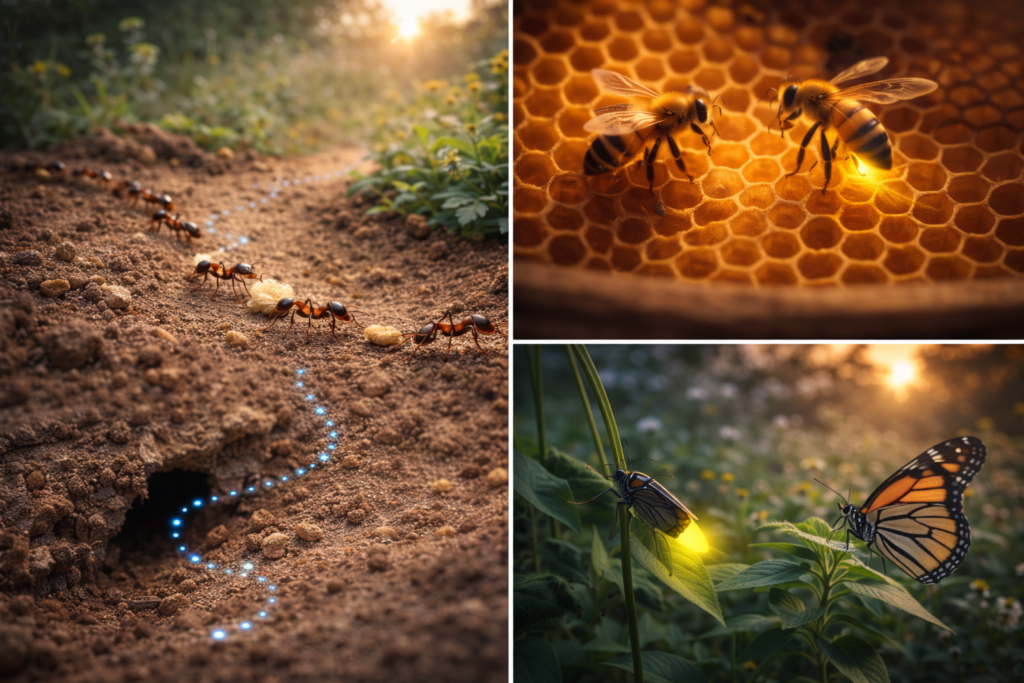
    Chemical signaling is the most widespread and ancient form of communication in insects. Pheromones are specialized chemical secretions that trigger a specific behavioral response in other members of the same species. These can range from “alarm pheromones” that call a colony to battle, to “trail pheromones” used by foragers to map a path to food. Because chemicals linger in the air or on surfaces, they act as a persistent messaging system that functions perfectly even in total darkness.

    Acoustic Engineering: Using Vibration and Sound as Data

    Many insects use sound and mechanical vibrations to transmit information through the air, water, or solid substrates. This form of communication in insects is often used for long-range attraction, such as the loud “songs” of crickets and cicadas produced by stridulation. However, it also includes “substrate-borne” vibrations, where insects tap or drum their bodies against leaves or wood to send private alerts to nearby colony members, bypassing the ears of flying predators.

    Visual Displays: Color, Light, and Motion-Based Signaling

    Visual signals are rapid and highly effective in well-lit environments or through specialized biological light. This pillar of communication in insects includes everything from the bright, warning colors of a toxic butterfly to the rhythmic flashes of a firefly’s abdomen. Motion also plays a key role, where specific flight patterns or body “posturing” tell a competitor to back off or a mate to approach, providing an immediate “read” of the sender’s intent.

    The Power of Touch: Tactile Feedback in Colony Logistics

    Tactile or physical communication is the backbone of short-range social interaction. In the dense population of a hive, communication in insects often involves “antennation,” where individuals touch antennae to exchange chemical and mechanical data. This “physical handshake” allows social insects to recognize nestmates, assess the health of the queen, and even gauge the hunger levels of other workers, ensuring the colony’s logistics remain balanced and efficient.
    The Four Pillars of Communication in Insects
    The Four Pillars of Communication in Insects

    Advanced Data Sharing: Communication in Social “Superorganisms”

    In the scientific study of life, the most impressive display of collective intelligence is found in social “superorganisms.” These colonies operate as a single unit where the biological exchange of data reaches a level of sophistication comparable to human logistics networks. By sharing high-fidelity information across the group, these organisms can solve complex problems—such as navigating to distant resources or defending massive territories—that would be impossible for a solitary individual to manage.

    The Waggle Dance: Precise Spatial Data in Honeybees

    The honeybee waggle dance is perhaps the most famous example of symbolic communication in insects. When a forager finds a rich patch of flowers, she returns to the hive and performs a figure-eight dance on the vertical honeycomb. The angle of her run relative to “up” (gravity) tells other bees the direction of the food relative to the sun, while the duration of the “waggle” phase indicates the exact distance. This allows the colony to deploy its workforce with surgical precision to the most profitable locations.

    Pheromone Highways: The Logistics of Ant Trail Management

    Ants manage their foraging efforts through dynamic chemical networks known as pheromone highways. This form of interaction utilizes a positive feedback loop where a successful forager lays a scent trail from the food back to the nest. As more ants follow the trail and find food, they add their own pheromones, making the signal stronger. Conversely, if the food source runs out, the pheromones naturally evaporate and the trail shuts down, allowing the colony to reallocate its workers to more productive areas without wasting energy.

    Termite Vibrations: Rapid Emergency Response Systems

    Because termites often live in total darkness, they rely heavily on mechanical signals for colony defense. This tactile method involves soldier termites head-banging against the tunnel walls when they detect a breach or a predator. These vibrations travel rapidly through the hard-packed soil or wood of the mound, acting as a colony-wide alarm system. In 2026, bio-acoustic research shows that these pulses are rhythmic and coded, allowing termites to distinguish between a minor structural disturbance and a full-scale invasion.

    Ecological Interference: How the Environment Shapes the Signal

    In the scientific study of life, we are discovering that external factors can significantly distort or even silence the natural flow of biological information. These challenges to communication in insects occur when environmental changes interfere with the physical or chemical properties of the message being sent. As we look at the state of biodiversity in 2026, understanding these signal breaks is essential for protecting the delicate balance of our global food systems and natural habitats.

    Climate Shifts: The Impact of Heat on Pheromone Volatility

    Temperature is a critical variable in chemical signaling because it controls how quickly molecules evaporate into the air. In hotter climates, pheromones can become too volatile, evaporating so quickly that a trail or an attraction signal disappears before it can be received. This can cause a breakdown in colony logistics where ants can no longer find their way back to the nest or where mates are unable to locate one another, leading to a sudden and dangerous decline in local populations.

    Anthropogenic Noise: When Human Activity Disrupts Insect Data

    Human activity introduces massive amounts of noise into the environment, from the low frequency hum of heavy machinery to the chemical pollution in our air. This interference is particularly damaging to species that rely on acoustic engineering for survival. For example, the vibrations from nearby construction can mask the emergency head banging signals of termites or the mating songs of crickets. Furthermore, chemical pollutants in the atmosphere can bind to insect pheromones, changing their molecular structure and effectively scrambling the message before it reaches its destination.

    How the Environment Shapes the Signal
    How the Environment Shapes the Signal

    Applied Behavioral Science: Exploiting Signals for 2026 Pest Management

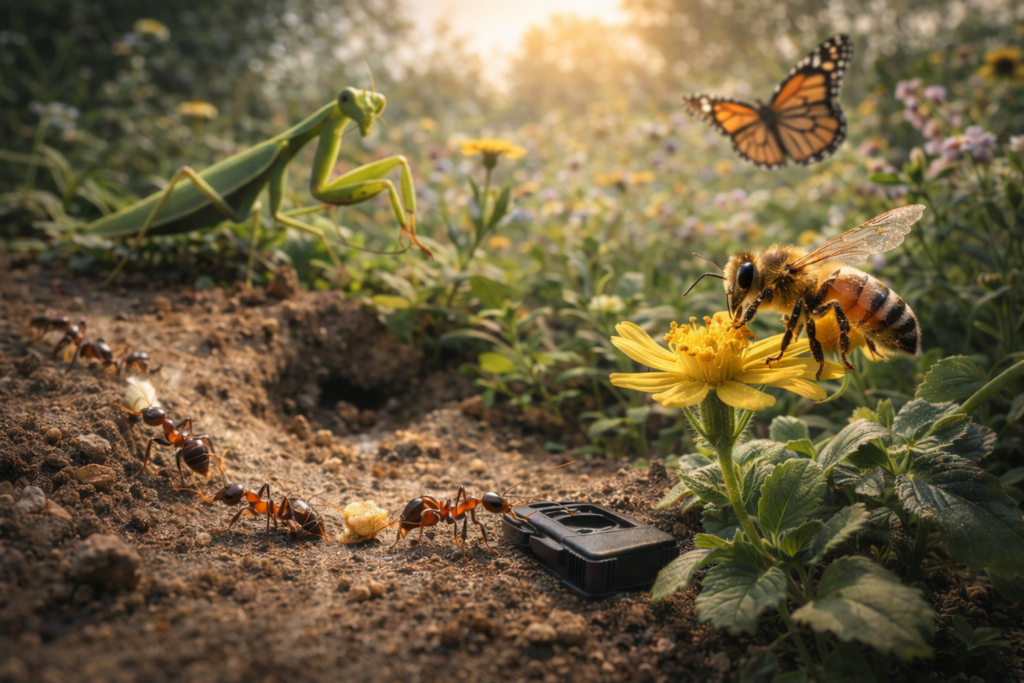
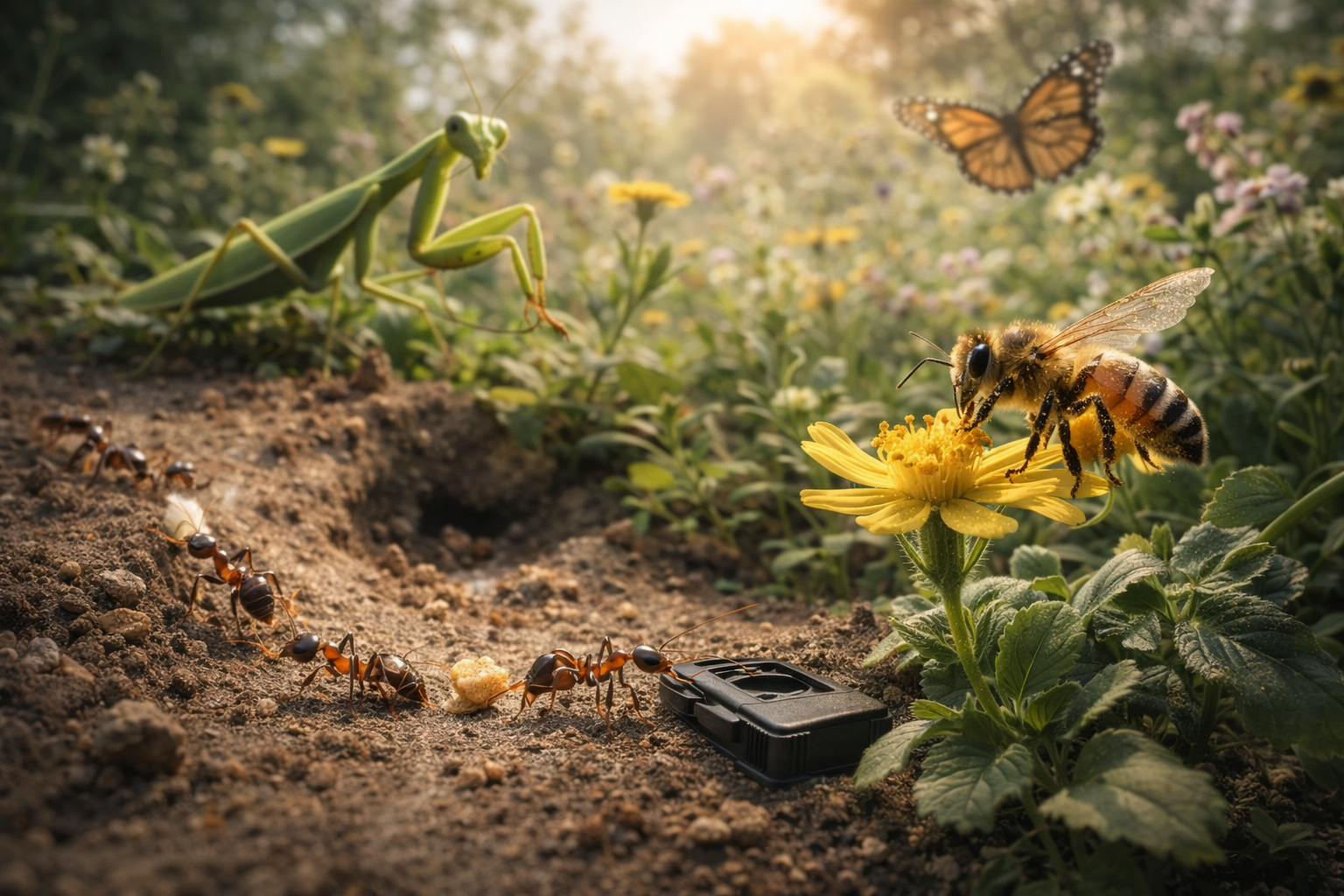
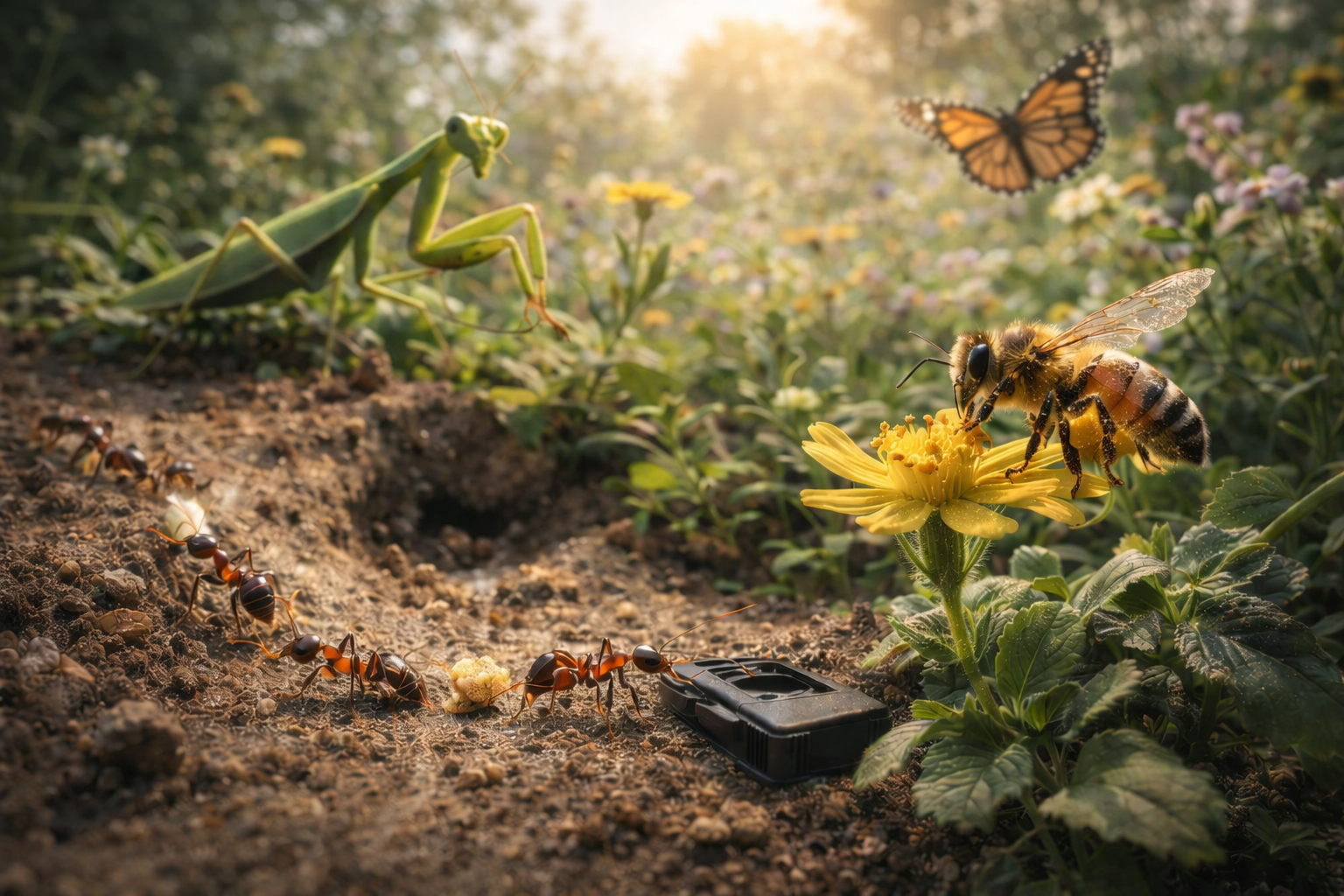
    In the scientific study of life, the ability to “hack” biological operating systems has revolutionized modern pest control by shifting from toxic chemicals to targeted behavioral disruption. By leveraging the high-fidelity mechanics of communication in insects, experts in 2026 utilize synthetic pheromones to scramble mating signals and acoustic interference to mimic predator vibrations, safely driving pests away from crops and structures. This strategic exploitation of social data sharing—such as using an ant colony’s own tactile and chemical networks to distribute “smart” baits—allows for surgical precision in population management. Ultimately, understanding these natural languages enables us to protect global ecosystems and food supplies with minimal environmental impact, marking a new era of informed, scientific co-existence.

    Conclusion: Why Behavioral Literacy is the Future of Entomology

    In the scientific study of life, the shift toward behavioral literacy marks the end of an era defined by broad chemical use and the beginning of high-precision ecological management. By mastering the various forms of communication in insects, researchers in 2026 can now influence entire populations by disrupting their internal signaling rather than just their physical survival. This deep understanding of biological data sharing allows us to protect essential pollinators and manage agricultural pests by working with their natural instincts instead of against them. Ultimately, treating the insect world as a complex network of information enables a more sustainable, scientifically informed approach to biodiversity that ensures the stability of our global food systems.

    FAQs: Understanding the Complex Signaling Systems of Insects

    How do insects communicate in total darkness? Many social species rely on chemical networks and tactile feedback. By using pheromones and “antennation” (physically touching antennae), they can exchange complex logistics data without needing any visual light. This ensures the colony remains coordinated regardless of time or location.

    Can human noise really stop insects from “talking”? Yes, this is known as “acoustic masking.” Anthropogenic noise from machinery or urban traffic can vibrate at the same frequency as insect signals, effectively drowning out mating calls or emergency alarms. This can lead to a dangerous breakdown in a species’ ability to reproduce or defend itself.

    What is the most advanced form of communication in insects? The “Waggle Dance” of the honeybee is often cited because it uses symbolic movement to share precise mathematical data regarding the direction and distance of resources. It is one of the few known non-human communication systems that can describe things that are not currently visible.

    Are pheromones the only way ants find food? While pheromones create the “highway,” ants also use tactile signals and visual landmarks to navigate. However, the chemical trail is the primary method for mass recruitment and colony-wide coordination, allowing thousands of individuals to act as a single unit.

    Why is 2026 a turning point for studying these signals? With rising global temperatures affecting signal volatility and chemical persistence, understanding how the environment shapes the message is critical. This knowledge is essential for saving endangered pollinators and securing our food supply through behavioral-based pest management.
  • A Complete Guide to Types of Insect Behavior

    A Complete Guide to Types of Insect Behavior

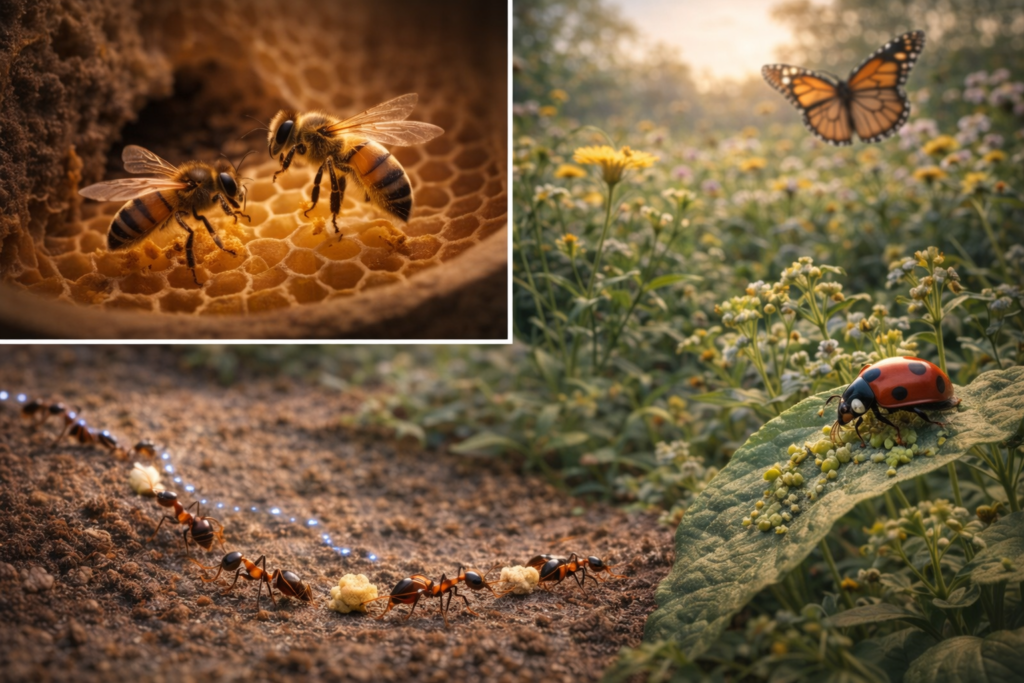
    n the scientific study of life, understanding how an organism responds to its environment is the key to mastering both sustainable pest control and advanced ecological conservation. By categorizing the various types of insect behavior, we can see that these creatures operate through a sophisticated mix of “hardwired” biological code and “soft” learned experiences that have been refined over millions of years. In 2026, researchers are increasingly using these behavioral classifications to build more efficient AI models and smarter agricultural traps, proving that even the most basic movement has a high-level computational purpose.

    The fundamental architecture of these biological systems is divided between innate responses, which are genetically inherited, and learned behaviors that allow for individual adaptation. Innate types of insect behavior act as the “factory settings” of the insect mind, ensuring that life-critical tasks like spinning a web or performing a mating dance are executed perfectly from birth without prior training. However, the scope of these behaviors is not strictly rigid; many insects demonstrate an impressive capacity for habituation and conditioning, allowing them to modify their actions based on repeated environmental stimuli or successful foraging experiences.

    Beyond internal programming, the way an insect navigates its surroundings through orientation specifically via kinesis and taxis reveals a high degree of directional intelligence. These types of insect behavior allow a species to move toward beneficial resources like light and moisture or away from lethal threats like predators and toxic chemicals. By decoding these movement patterns along with biological rhythms like periodicity, we can gain a complete view of the “biological software” that allows insects to dominate almost every ecosystem on Earth, providing us with the tools to manage them with scientific precision.

    The Hardwired Mind: Innate vs. Learned Foundations of Insect Behavior

    In the scientific study of life, the fundamental architecture of the insect mind is built upon a dual-system approach. While many organisms rely on complex deliberation, the various types of insect behavior are largely divided between hardwired genetic instructions and the ability to modify those instructions based on environmental feedback. This balance ensures that an insect can perform life-critical tasks immediately upon hatching while still possessing the flexibility to adapt to the unique challenges of its specific habitat.

    Genetic Programming: Why Certain Actions are Unstoppable

    Innate behaviors represent the factory settings of the insect world. These are heritable and intrinsic actions performed perfectly the very first time without any prior training or observation. Because these types of insect behavior are hardwired into the nervous system, they often manifest as “Fixed Action Patterns” that are virtually unstoppable once triggered. A classic example is a silk-spinning caterpillar that will continue its rhythmic head movements even if the silk is removed because the biological program must run to its conclusion regardless of the external result.

    The Experience Factor: How Learning Refines Instinct in 2026

    Contrary to the myth that insects are merely tiny robots, many types of insect behavior are actually refined through trial and error. Bees, for instance, learn which specific flower shapes and colors in their local area yield the highest sugar content, significantly increasing their foraging efficiency over several days. In 2026, researchers are discovering that these learned associations allow insects to navigate changing landscapes, proving that experience acts as a sophisticated filter for their base instincts.

    Habituation and Conditioning: Adapting to a Changing Environment

    Habituation is one of the most practical types of insect behavior where an individual learns to ignore a repetitive stimulus that provides neither a threat nor a reward. A common example is a cockroach eventually ignoring the vibration of a nearby appliance once it realizes the movement does not signal a predator. Conversely, classical conditioning allows insects to associate a neutral stimulus with a positive outcome. This trait is currently being used in 2026 to train honeybees to detect specific chemical signatures by associating those scents with a reward of sugar water.

    Innate vs. Learned Foundations of Insect Behavior
    Innate vs. Learned Foundations of Insect Behavior

    Rapid Responses: The Mechanics of Simple and Complex Reflexes

    In the scientific study of life, the way an organism moves through its environment is a testament to its survival strategy. These specific types of insect behavior are categorized by how an individual reacts to a gradient of stimuli such as light, moisture, or chemical concentration. By understanding these navigational rules, we can predict where a population will congregate and how they will seek out the resources necessary for their growth.

    Kinesis: Random Walks and Undirected Speed Adjustments

    Kinesis is a non-directional response where the intensity of a stimulus affects the speed or the rate of turning but not the actual direction of travel. In this mode, an insect might move faster in an unfavorable environment to increase its chances of stumbling upon a better location. A woodlouse, for example, will increase its activity in dry air and slow down significantly once it reaches a moist area. This ensures it spends the majority of its time in the damp conditions it needs to survive without ever intentionally “steering” toward them.

    Taxis: Precision Movement Toward Light, Chemicals, and Gravity

    Unlike random movement, taxis is a directed response where an insect moves specifically toward or away from a source. This is a highly calculated action that relies on the insect’s ability to compare the strength of a signal between its two antennae or eyes. Whether it is a moth flying toward a flame or an ant following a pheromone trail, these actions allow for high precision in locating mates, food, and nesting sites.

    Phototaxis and Chemotaxis: How Insects Locate “Hot Zones”

    Phototaxis and chemotaxis are specialized forms of directed movement that govern how insects interact with light and chemical signals. Positive phototaxis draws many nocturnal species toward artificial light sources, while negative phototaxis drives soil dwelling insects into the dark safety of the earth. Chemotaxis is perhaps the most advanced of these mechanisms, allowing a predator to track the minute chemical signature of its prey across vast distances by constantly adjusting its path to follow the strongest scent gradient.

    Directional Intelligence: Navigating the World Through Kinesis and Taxis

    In the scientific study of life, the way an organism moves through its environment is a testament to its survival strategy. These specific types of insect behavior are categorized by how an individual reacts to a gradient of stimuli such as light, moisture, or chemical concentration. By understanding these navigational rules, we can predict where a population will congregate and how they will seek out the resources necessary for their growth.

    Kinesis: Random Walks and Undirected Speed Adjustments

    Kinesis is a non-directional response where the intensity of a stimulus affects the speed or the rate of turning but not the actual direction of travel. In this mode, an insect might move faster in an unfavorable environment to increase its chances of stumbling upon a better location. A woodlouse, for example, will increase its activity in dry air and slow down significantly once it reaches a moist area. This ensures it spends the majority of its time in the damp conditions it needs to survive without ever intentionally steering toward them.

    Taxis: Precision Movement Toward Light, Chemicals, and Gravity

    Unlike random movement, taxis is a directed response where an insect moves specifically toward or away from a source. This is a highly calculated action that relies on the insect’s ability to compare the strength of a signal between its two antennae or eyes. Whether it is a moth flying toward a flame or an ant following a pheromone trail, these actions allow for high precision in locating mates, food, and nesting sites.

    Phototaxis and Chemotaxis: How Insects Locate “Hot Zones”

    Phototaxis and chemotaxis are specialized forms of directed movement that govern how insects interact with light and chemical signals. Positive phototaxis draws many nocturnal species toward artificial light sources, while negative phototaxis drives soil dwelling insects into the dark safety of the earth. Chemotaxis is perhaps the most advanced of these mechanisms, allowing a predator to track the minute chemical signature of its prey across vast distances by constantly adjusting its path to follow the strongest scent gradient.

    Navigating the World Through Kinesis and Taxis
    Navigating the World Through Kinesis and Taxis

    Biological Clocks: Periodicity and the Rhythms of the Insect World

    In the scientific study of life, the ability to tell time is just as critical as the ability to find food. These rhythmic types of insect behavior are governed by internal biological clocks that allow an organism to anticipate environmental changes before they occur. By synchronizing their activities with the rotation of the Earth and the changing of the seasons, insects ensure they are active only when conditions are most favorable for their survival and reproduction.

    Circadian Rhythms: The 24-Hour Cycle of Sleep and Foraging

    Circadian rhythms are the most common internal timers, regulating activities over a roughly 24-hour period. These cycles determine whether an insect is diurnal, nocturnal, or crepuscular. For example, honeybees use their internal clock to remember the exact time of day specific flowers secrete the most nectar, allowing them to optimize their foraging trips. Even in total darkness, these rhythms persist, proving that the behavior is driven by an internal genetic mechanism rather than just a simple reaction to sunlight.

    Seasonal and Lunar Periodicity: Timing Migrations and Mating

    Beyond the daily cycle, many insects follow longer-term rhythms tied to the moon or the shifting seasons. Lunar periodicity is often seen in aquatic insects that swarm and mate in massive numbers during specific moon phases to overwhelm predators. Seasonal rhythms are even more dramatic, triggering long-distance migrations like those of the Monarch butterfly. These movements are precisely timed to ensure the insects arrive in warmer climates or find fresh host plants exactly when they are needed for the next generation. All of these cyclical types of insect behavior are essential for maintaining population levels and ensuring that life cycles remain synchronized with the ever-changing global environment.

    Diapause: The Behavioral Strategy of Environmental “Hibernation”

    Diapause is a sophisticated state of suspended animation that allows insects to survive extreme conditions like the freezing winters or intense summer heat of Punjab. Unlike simple sleep, diapause is a hormonal shift that stops development and drastically lowers the metabolic rate. This is a proactive survival strategy where the insect “shuts down” in response to shortening day lengths or falling temperatures, ensuring it remains dormant until the environment is safe enough for it to resume its life cycle.

    dicity and the Rhythms of the Insect World
    dicity and the Rhythms of the Insect World

    Comparative Analysis: Key Differences in Behavioral Modalities

    In the scientific study of life, distinguishing between various biological responses is essential for understanding how a species thrives or fails in a changing environment. This comparative analysis clarifies the different types of insect behavior by highlighting the unique advantages and limitations of each. By mapping these modalities, researchers and designers can better simulate or manage the complex interactions between insects and their ecological niches.

    Innate vs. Learned: Evolution vs. Experience

    The primary difference between these two states lies in the source of the information. Innate behaviors are the result of millions of years of natural selection and are encoded directly into the DNA, making them uniform across an entire species. These actions are perfect from birth but lack flexibility. In contrast, learned behaviors are the result of an individual’s unique life history and are acquired through trial and error. While innate patterns ensure a baseline for survival, learning allows an insect to adapt to specific, local changes that evolution could not have predicted. These contrasting types of insect behavior demonstrate how a species balances hardwired survival instincts with the cognitive flexibility needed to thrive in a fluctuating environment.

    Kinesis vs. Taxis: Random Search vs. Targeted Navigation

    When observing movement, the distinction between kinesis and taxis is defined by the presence or absence of a specific direction. Kinesis is an undirected response where an insect simply changes its speed or rate of turning based on the intensity of a stimulus, essentially wandering until it hits a favorable zone. Taxis is a highly directed response where the insect uses its sensory organs to orient its body specifically toward or away from a source. While kinesis is an efficient way to find a general habitat, taxis provides the precision needed for complex tasks like tracking a mate or locating a specific host plant. Both navigation methods represent essential types of insect behavior that allow a species to optimize its position within an ecosystem for maximum survival.

    Conclusion: Mastering Behavioral Types for Advanced Pest Management

    In the scientific study of life, the ability to categorize and influence the various types of insect behavior represents the most significant shift from traditional chemical reliance to high-precision ecological management. By mastering the distinction between innate instincts and learned adaptations, we can design environments that disrupt life-critical cycles or exploit natural reflexes to lead pests away from our crops and homes. This behavioral literacy allows for the development of “smart” interventions such as pheromone-based taxis disruption or the manipulation of circadian rhythms to ensure that our agricultural and urban spaces remain protected. Ultimately, understanding these biological rules transforms our approach to pest control into a sophisticated strategy of informed co-existence, where we use the insects’ own hardwired logic to maintain the delicate balance of our global ecosystems.

    FAQs: Common Questions on Instinct, Learning, and Navigation

    Can an insect really learn, or is everything just instinct? While most actions are innate, many species show a high capacity for learning through experience. Honeybees can learn to associate specific colors with food rewards, and some insects even demonstrate habituation by learning to ignore non-threatening shadows or sounds. This proves that while their factory settings are instinctual, their biological software can be updated by their environment through different types of insect behavior.

    What is the main difference between kinesis and taxis? The simplest way to distinguish these types of insect behavior is by direction. Kinesis is an undirected movement where an insect simply changes its speed or turning rate based on a stimulus, like a woodlouse speeding up in dry air to find moisture. Taxis is a directed movement where the insect orients its body specifically toward or away from a source, such as a moth flying directly toward a light.

    How do insects know when to sleep or migrate? Insects rely on internal biological clocks known as circadian rhythms to manage their 24 hour cycles of sleep and foraging. For longer-term activities like migration or mating, they use seasonal periodicity, which is triggered by changes in day length and temperature. These rhythmic types of insect behavior ensure they are active only when their specific environmental window is open.

    Why do some insects stop moving entirely during winter? This is a specialized state called diapause. It is a hormonal shutdown that is far more advanced than simple sleep, allowing the insect to survive extreme cold or drought by halting its development and lowering its metabolism. It is a proactive survival strategy that ensures the population survives until favorable conditions return.

    How does a reflex differ from a fixed action pattern? A reflex is a near-instantaneous, simple response to a single stimulus, such as a cockroach’s leg jerking away from a touch. A fixed action pattern is a more complex sequence of innate movements that, once triggered, must be performed to completion, such as a wasp building a specific cell in its nest even if the initial conditions change.

  • The Global Impact of Insects Behavior: Mapping the Scope and Significance of Small Wonders

    The Global Impact of Insects Behavior: Mapping the Scope and Significance of Small Wonders

    The scientific study of life has reached a pivotal moment in 2026, where we now recognize that the survival of our global ecosystems rests upon the intricate patterns of insects behavior. This field of study extends far beyond simple observation, encompassing everything from the neurological pathways that drive a solitary forager to the complex swarm intelligence of a billion-member colony. By mapping how these small wonders interact with their environment, researchers are uncovering the biological blueprints that maintain the delicate balance of our planet’s biodiversity and resource management.

    The economic significance of these organisms cannot be overstated, as the scope of insects behavior directly influences the stability of the world’s food supply and industrial innovation. Pollination alone contributes hundreds of billions of dollars to the global economy, a feat made possible only by the specialized floral consistency and navigation skills of bees and butterflies. Furthermore, the way insects solve structural and mechanical problems—such as the climate-controlled architecture of termite mounds—is currently inspiring a new generation of bio-mimetic engineering and sustainable building designs that reduce our carbon footprint.

    Transitioning into the future of pest management, the importance of insects behavior lies in our ability to replace toxic chemical reliance with high-precision, behavior-based interventions. By exploiting natural communication signals, such as pheromone disruption or acoustic masking, we can protect vast agricultural landscapes while preserving the beneficial species that are essential for soil health. This master guide explores the vast horizon of behavioral ecology, proving that the smallest actions in the insect world often carry the greatest weight in the survival of our modern civilization.

    Defining the Horizon: What is the Real Scope of Insects Behavior?

    The scientific study of life has expanded significantly, moving beyond simple observation to a multi-dimensional analysis of how neural pathways and environmental stimuli dictate insects behavior. In 2026, the scope of this field encompasses everything from individual molecular responses to the massive collective intelligence of global “superorganisms.” By defining this horizon, we can begin to understand how these creatures solve complex engineering, navigation, and survival problems that have baffled scientists for centuries.

    Beyond the “Tilchatta”: The Multi-Dimensional Study of Life

    While many people first encounter insects through common household pests like the cockroach (locally known as the Tilchatta), the actual scope of insects behavior reaches into every corner of the Earth’s biosphere. Modern research now categorizes these actions into distinct dimensions: physiological, ecological, and social. This means that a single movement—such as a beetle’s flight—is analyzed not just as a mechanical act, but as a response to internal hunger cues and external pheromone signals, providing a holistic view of how life persists in even the harshest climates.

    Behavioral Ecology: Understanding Evolutionary Adaptation in 2026

    In the current year, behavioral ecology has become the primary lens through which we view insect behavior as a tool for long-term evolutionary survival. As climate patterns shift, we are observing rapid adaptations in how insects migrate, forage, and protect their young. This “evolution in real-time” allows scientists to predict how biodiversity will change over the next decade, ensuring that conservation efforts are directed toward the species that play the most critical roles in maintaining our natural food chains and soil health.

    Sensory Perception: How Insects Map the World Around Them

    The most fascinating aspect of the scope of insects behavior is the sensory “hardware” these creatures use to navigate their surroundings. Unlike humans, insects perceive the world through polarized light, magnetic fields, and microscopic chemical receptors on their antennae. By mapping these sensory inputs, we can understand how a honeybee finds its way back to a hive from miles away or how a predator detects the heat signature of its prey, leading to breakthroughs in high-precision GPS and autonomous drone technology.

    What is the Real Scope of Insects Behavior?
    What is the Real Scope of Insects Behavior?

    The Economic Engine: Why Insect Behavior is Vital for Global Agriculture

    n the scientific study of life, we have discovered that the global economy is intrinsically linked to the daily routines of the insect world. The importance of insects behavior in 2026 cannot be overstated, as it acts as a silent engine driving the success of nearly every major crop on Earth. By understanding how these organisms interact with our food systems, we can move away from expensive, harmful chemical inputs and toward a more profitable, bio-balanced agricultural model.

    The Pollination Powerhouse: Securing the World’s Food Supply

    Pollination is perhaps the most critical example of insects behavior impacting human survival, as one out of every three bites of food we eat depends on it. Honeybees, butterflies, and even certain beetles exhibit high “floral fidelity,” a behavioral trait where an individual stays loyal to one type of plant, ensuring successful fertilization. This consistent movement between blossoms contributes over $200 billion annually to the global economy by securing the yields of high-value crops like almonds, coffee, and cocoa.

    Bio-Inspired Pest Monitoring: Outsmarting Foragers Before They Strike

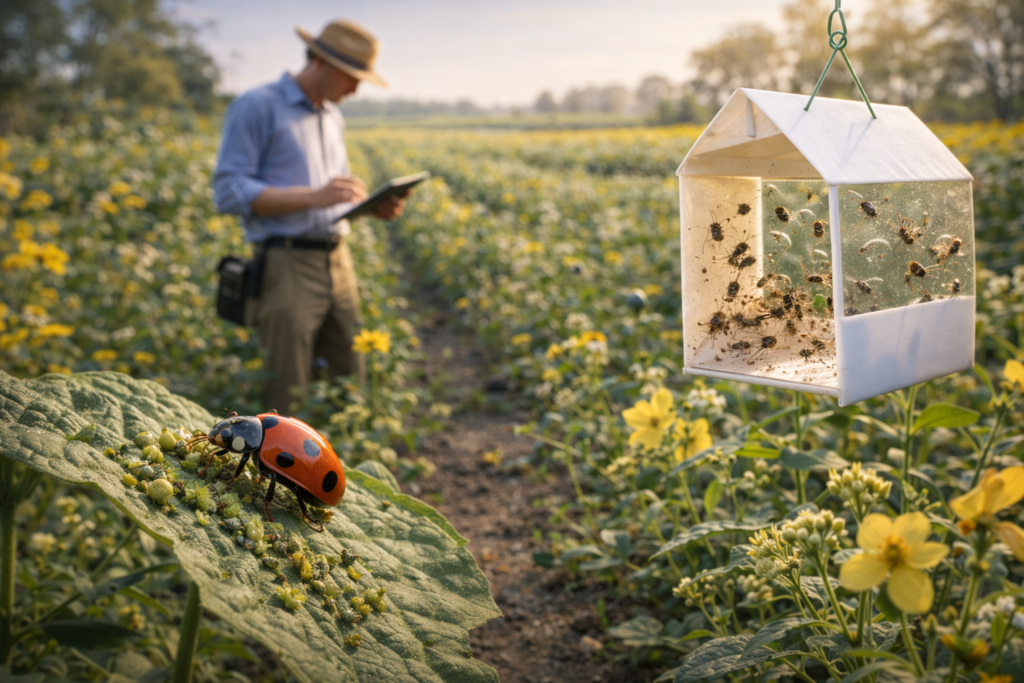
    Modern agriculture has shifted from “reactive spraying” to “predictive monitoring” by decoding the cues of insects behavior before an infestation occurs. In 2026, farmers use “smart traps” that mimic the pheromones of a female moth or the specific light frequencies that attract a hungry beetle. By understanding these forager instincts, we can pinpoint the exact moment a pest population begins to rise, allowing for highly targeted interventions that save millions in potential crop loss while minimizing environmental impact.

    Beneficial Predators: Harnessing Hunting Instincts for Natural Protection

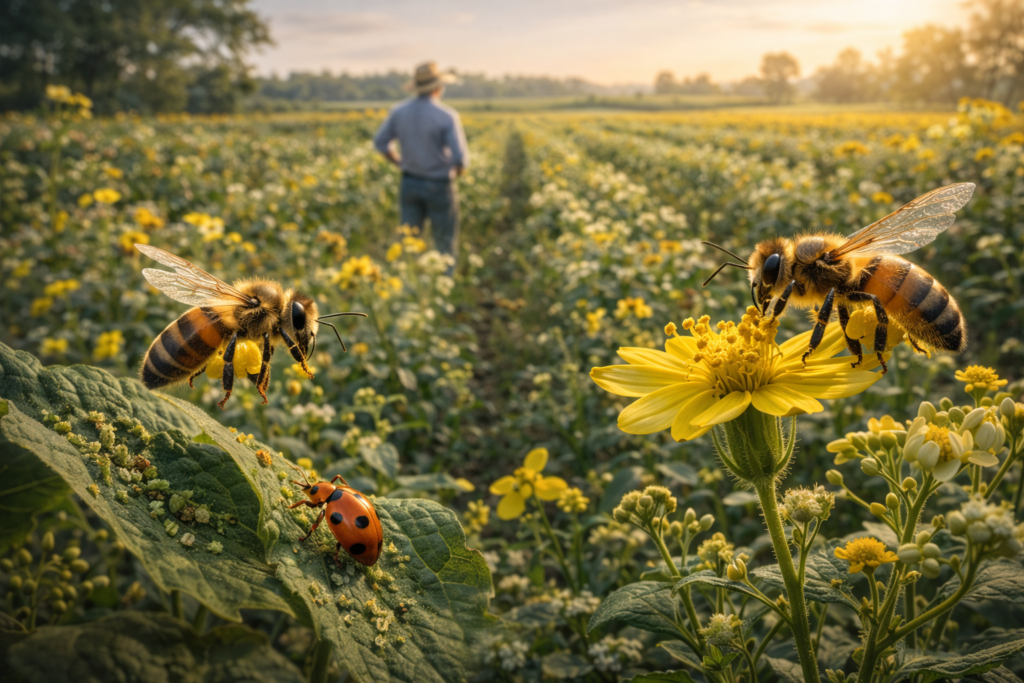
    The predatory side of insects behavior offers a “natural security force” for our fields through the use of biological control agents like ladybugs and lacewings. Instead of using pesticides, growers now release these beneficial insects to exploit their natural hunting instincts against aphids and mites. Because these predators have evolved highly specialized searching patterns and venomous or mechanical killing techniques, they can maintain a “zero-pest” environment far more effectively—and cheaply—than synthetic alternatives.

    The Economic Engine
    The Economic Engine

    The Scientific Study of Life: From Neural Pathways to Global Ecosystems

    In the scientific study of life, moving from the microscopic firing of a single neuron to the massive movement of a global migration reveals the true scale of insects behavior. This field has evolved in 2026 to bridge the gap between biology and technology, showing that these organisms are not just programmed automatons but sophisticated processors of information. By analyzing how a brain the size of a pinhead can navigate across continents or manage a colony of millions, we are unlocking secrets that redefine our understanding of intelligence itself.

    Cognitive Frontiers: Learning, Memory, and Decision Making

    Recent breakthroughs in insect behavior have shattered the myth that invertebrates lack complex thought, proving instead that they possess remarkable cognitive flexibility. Honeybees, for example, have demonstrated the ability to understand the concept of “zero” and can be trained to solve basic string-pulling tasks to reach a reward. This capacity for learning and memory allows individual insects to evaluate risks, such as predator presence, against potential rewards like high-quality nectar, making real-time decisions that ensure their personal and genetic survival.

    Swarm Intelligence: Using Social Behavior to Revolutionize Modern Robotics

    Engineers are increasingly looking toward the collective insect behavior of ants and termites to solve the world’s most difficult logistical problems through “swarm robotics.” By mimicking the decentralized way a colony functions—where no single leader gives orders, but every individual follows simple local rules—we are developing autonomous drone fleets for search-and-rescue and environmental monitoring. These robots communicate through digital “pheromones,” allowing a thousand small machines to work together as a single, highly efficient unit to map disaster zones or plant forests.

    Environmental Triggers: How Climate Change Alters Behavioral Patterns

    The importance of monitoring insect behavior has reached a critical point in 2026 as shifting global temperatures alter the “biological clocks” of many species. We are seeing “phenological mismatches,” where insects emerge from hibernation before their host plants have flowered, or migratory species like the Monarch butterfly changing their flight paths due to erratic wind currents. Understanding these behavioral shifts is essential for predicting which ecosystems are at risk of collapse and how we must adapt our conservation strategies to protect the pollinators that sustain us.

    Applied Solutions: Using Insect Behavior for Total Pest Management

    In the scientific study of life, shifting our focus from simple elimination to a deep understanding of insects behavior represents the most significant advancement in modern pest control. This evolution allows us to outsmart pests by targeting their biological “triggers” rather than relying solely on broad-spectrum chemicals. By decoding the specific ways a forager communicates, navigates, and reproduces, we can implement high-precision strategies that manage the insect environment with intelligence and environmental responsibility.

    Pheromone Technology: Disrupting Communication for Sustainable Control

    The use of pheromone technology is a prime example of how manipulating insect behavior can lead to total pest management without toxic residues. By deploying synthetic “mating disruptors” into an area, we can flood the air with female scent signals, making it impossible for males to locate a mate and thus preventing the next generation from ever forming. This targeted approach is highly effective for protecting large-scale orchards and vineyards, as it specifically neutralizes the target pest while leaving beneficial pollinators and natural predators completely unharmed.

    The IPM Revolution: Behavior-Based Strategies Over Chemical Force

    The move toward Integrated Pest Management (IPM) marks a revolutionary shift where we prioritize the modification of insects behavior through environmental “hardening” and exclusion techniques. Instead of waiting for an infestation to occur, we use our knowledge of a pest’s preference for specific light frequencies or moisture levels to create inhospitable zones. By removing the behavioral rewards that attract a colony—such as accessible food waste or standing water—we can force a population to relocate or collapse naturally, achieving a 100% pest-free environment through biological strategy rather than chemical force.

     Using Insect Behavior for Total Pest Management
    Using Insect Behavior for Total Pest Management

    The Medical and Industrial Scope: Secrets Hidden in Secretions and Skills

    In the scientific study of life, the scope of insect behavior extends far beyond the fields and into the laboratories of our most advanced medical and industrial centers. These organisms have spent hundreds of millions of years perfecting chemical compounds and structural techniques that we are only now beginning to decode. By studying how an insect produces silk, processes venom, or builds a climate-controlled home, we are finding the blueprints for the next generation of human technology and medicine.

    Pharmaceutical Potential: Venom, Silk, and Defensive Chemistry

    The defensive side of insects behavior has gifted modern medicine with a massive library of bioactive compounds that are currently being trialed for life-saving treatments. Research in 2026 has shown that the antimicrobial peptides found in certain beetle secretions are effective against drug-resistant “superbugs,” while the venom of wasps is being adapted into targeted therapies that can kill cancer cells without harming healthy tissue. Even the production of spider silk—a behavioral feat of protein engineering—is being used to create biocompatible sutures and synthetic tendons that are stronger than steel yet flexible enough for the human body.

    Bio-Mimicry: Engineering the Future Based on Six-Legged Design

    Industrial innovation is increasingly being driven by bio-mimicry, where we copy the physical and navigational insect behavior to solve human engineering challenges. Architects are studying the self-cooling ventilation systems of African termite mounds to design skyscrapers that require zero air conditioning, drastically reducing global energy consumption. Meanwhile, the specialized “gripping” behavior of beetle feet has inspired a new class of industrial adhesives and climbing robots capable of inspecting bridges and wind turbines with a level of safety that was previously impossible.

    Conclusion: The Growing Importance of Behavioral Literacy in a Changing World

    In the scientific study of life, the transition into 2026 has proven that achieving behavioral literacy is no longer just an academic pursuit but a global necessity for environmental and economic survival, as mastering the nuances of insects behavior allows us to predict how shifting climates will impact food security and protect the delicate pollination networks that sustain billions. This literacy enables a shift from “blind extermination” to “informed co-existence,” where we use the insects’ own biological blueprints to solve critical challenges in medicine, carbon-neutral architecture, and sustainable pest management. By valuing these small wonders as sophisticated biological partners rather than mere pests, we unlock a library of evolutionary solutions that ensure a resilient and technologically advanced future for the generations to come.

    FAQs: Top Questions on the Scope and Value of Studying Insects

    Why is the scope of insect behavior suddenly so important for technology? Insects are the world’s most efficient “biological computers,” solving complex navigation and structural problems with minimal energy. By studying insects behavior, engineers are developing “swarm robotics” for search-and-rescue and high-precision sensors for autonomous vehicles that mimic the way a honeybee tracks movement or a moth detects chemical signals in the dark.

    How does studying these organisms help with global food security? The importance of insect behavior is most visible in our fields, where pollination and natural pest control are worth billions. By understanding the “floral fidelity” of bees, we can design landscapes that maximize crop yields; similarly, by studying the hunting patterns of predatory insects, we can reduce our reliance on synthetic pesticides, ensuring a safer and more sustainable food supply.

    Can the study of insects really lead to medical breakthroughs? Yes, the biochemical scope of insects behavior is a goldmine for the pharmaceutical industry. Many insects produce unique defensive chemicals, such as antimicrobial peptides or specialized venoms, which are currently being studied to create new antibiotics and targeted cancer treatments that are more effective than traditional laboratory-synthesized drugs.

    Does climate change affect how we study these behaviors? Climate change has made behavioral literacy a top priority, as shifting temperatures are causing “phenological mismatches” where insects emerge at the wrong time for their host plants. Monitoring insect behavior allows scientists to create early-warning systems for ecosystem collapse, helping us intervene before critical pollination networks or soil-building cycles are permanently broken.

    What is the “Economic Value” of an insect’s daily routine? When we calculate the “ecosystem services” provided by insect behavior, the value exceeds trillions of dollars globally. This includes free labor for pollination, the natural recycling of waste into fertile soil, and the suppression of agricultural pests, proving that protecting these small wonders is one of the most profitable investments we can make for the planet’s future.

  • A Master Guide to Insect Behavior

    A Master Guide to Insect Behavior

    The scientific study of life reveals that the success of the 10 quintillion insects on Earth is driven by highly specialized insect behavior patterns that allow them to dominate almost every environment. From the individual survival instincts of the “Tilchatta” to the complex social structures of honeybees, these actions are governed by a mix of innate genetic programming and learned adaptations. By understanding the “why” behind their movement—such as how a forager identifies a food source or detects a predator through air vibrations—we gain a deeper insight into the biological blueprint that has allowed these creatures to thrive for over 400 million years.

    Communication serves as the backbone of these interactions, utilizing a sophisticated array of chemical, visual, and acoustic signals to maintain order within the colony. This aspect of insects behavior relies heavily on pheromones—invisible chemical trails that coordinate everything from foraging paths to emergency defense alarms. In 2026, researchers are even uncovering how certain species use electroreception and changes in atmospheric pressure to predict weather patterns and locate mates. These signals ensure that a “superorganism,” like a termite mound or an ant hill, can make collective decisions that benefit the survival of the entire group rather than just the individual.

    Applying these insights to Integrated Pest Management (IPM) is the modern frontier of sustainable agriculture and home protection. By exploiting specific insects behavior—such as using pheromone traps to disrupt mating cycles or leveraging a predator’s “ambush” instincts—we can manage populations without relying solely on heavy chemical interventions. Understanding behavioral ecology allows us to “harden” our environments against invaders by removing the triggers that invite them in, transforming our approach from reactive extermination to proactive, bio-inspired harmony. This guide serves as your roadmap to mastering the complex, hidden world of these fascinating organisms.

    Communication serves as the backbone of these interactions, utilizing a sophisticated array of chemical, visual, and acoustic signals to maintain order within the colony. Insect communication behavior relies heavily on pheromones—invisible chemical trails that coordinate everything from foraging paths to emergency defense alarms. In 2026, researchers are even uncovering how certain species use electroreception and changes in atmospheric pressure to predict weather patterns and locate mates. These signals ensure that a “superorganism,” like a termite mound or an ant hill, can make collective decisions that benefit the survival of the entire group rather than just the individual.

    Applying these insights to Integrated Pest Management (IPM) is the modern frontier of sustainable agriculture and home protection. By exploiting specific behaviors—such as using pheromone traps to disrupt mating cycles or leveraging a predator’s “ambush” instincts—we can manage populations without relying solely on heavy chemical interventions. Understanding behavioral ecology allows us to “harden” our environments against invaders by removing the triggers that invite them in, transforming our approach from reactive extermination to proactive, bio-inspired harmony. This guide serves as your roadmap to mastering the complex, hidden world of these fascinating organisms.

    What is Insect Behavior? The Biological Blueprint of the “Tilchatta” and Beyond

    In the scientific study of life, defining insects behavior involves analyzing the complex responses these organisms have to internal and external stimuli. Whether it is a cockroach (often called the Tilchatta) scurrying away from a sudden light or an ant following a scent trail, every action is a calculated biological move designed for survival. These behaviors are the result of millions of years of evolution, fine-tuning how an organism interacts with its environment to ensure resource acquisition and successful reproduction.

    Innate vs. Learned: How Insects “Know” What to Do

    Most insect behavior is innate, meaning it is genetically hardwired from birth and performed perfectly without prior experience. For example, a silk moth does not need to be taught how to spin a complex cocoon; the instructions are written into its DNA. However, many species also exhibit “learned” behaviors through trial and error; honeybees, for instance, can remember the specific location and color of flowers that provide the highest nectar yield. This blend of instinct and memory allows them to adapt quickly to changing conditions in the local environment.

    The Scientific Study of Life: Why Behavioral Ecology Matters in 2026

    Studying insect behavior through the lens of behavioral ecology is critical for modern technology and environmental management. In 2026, researchers are using these biological patterns to develop “swarm intelligence” for robotics and more effective Integrated Pest Management (IPM) systems. By understanding why a specific pest is attracted to a certain type of light or moisture level, we can design smarter, non-chemical traps that exploit their natural instincts rather than relying on toxic sprays.

    Survival Adaptations: The “Fight or Flight” of the Insect World

    The “fight or flight” response is a cornerstone of insects behavior that dictates how a species handles immediate threats from predators. While some utilize “flight” through rapid movement or camouflage to blend into their surroundings, others choose “fight” by using chemical sprays, venomous stingers, or intimidating visual displays. Understanding these defensive maneuvers is essential for anyone looking to manage populations without triggering aggressive colonial responses, especially when dealing with social species like wasps or termites.

    What is Insect Behavior?
    What is Insect Behavior?

    Communication Beyond Words: How Insects Signal Each Other

    In the scientific study of life, communication is the primary force that allows a colony to function as a single unit, making it the most complex aspect of insects behavior to observe. Because these organisms lack vocal cords, they have developed a sophisticated “hidden language” based on chemistry, vibrations, and light. These signals allow them to coordinate massive efforts—such as moving a nest or defending against a predator—with a level of precision that rivals modern human technology.

    Chemical Mastery: Pheromones and the Invisible Trail

    Pheromones are the most vital tools in the repertoire of insects behavior, acting as invisible chemical messages that linger in the air or on the ground. When a scout ant finds a sugar source, it leaves a “recruitment trail” for its sisters to follow; conversely, if the colony is attacked, “alarm pheromones” trigger an immediate, aggressive response. These chemical signals are so specific that they can even distinguish between a friend from the same nest and a stranger from a rival colony.

    Visual and Acoustic Signals: The “Waggle Dance” and Stridulation

    While chemicals are dominant, many species rely on sight and sound to relay information as a key part of insect behavior. The most famous example of visual signaling is the honeybee’s “waggle dance,” a series of figured movements that tell other bees the exact direction and distance of a flower patch relative to the sun. Meanwhile, crickets and grasshoppers use stridulation—rubbing body parts together—to create acoustic songs that serve as long-distance beacons for attracting mates or establishing territory.

    New Frontiers: Atmospheric Pressure and Electroreception in Foraging

    Cutting-edge research in 2026 has revealed that insects behavior is even more sensitive to the environment than previously thought. Scientists have discovered that some foragers can detect minute changes in atmospheric pressure, allowing them to seek shelter hours before a storm hits. Furthermore, bees have been shown to use electroreception to sense the electric fields of flowers, helping them identify which blooms have already been drained of nectar by other visitors.

    How Insects Signal Each Other
    How Insects Signal Each Other

    The Feeding Game: Sophisticated Foraging and Predatory Tactics

    In the scientific study of life, the quest for energy drives the most diverse and specialized forms of insects behavior. Whether an insect is a passive grazer or a highly calculated hunter, its feeding strategy is a result of millions of years of evolutionary pressure. These tactics are designed to maximize nutrient intake while minimizing the risk of becoming a meal for something else.

    Herbivorous Strategies: Host Plant Selection and Defense Neutralization

    Herbivorous insects behavior is a constant arms race between the grazer and the plant. Many insects have evolved specialized sensors to detect specific chemical signatures of “host plants,” ensuring their offspring hatch on a viable food source. To counter plant defenses like toxic sap or sticky hairs, some species have developed the ability to neutralize or even sequester these toxins, using the plant’s own poison as a chemical defense against their own predators.

    Predatory Intelligence: Ambush, Trapping, and Venom Resistance

    The predatory side of insect behavior showcases incredible tactical intelligence, ranging from the patient “sit-and-wait” ambush of the praying mantis to the sophisticated architectural traps of the antlion. Some hunters, like the assassin bug, use chemical mimicry to “disguise” themselves as part of the colony they are hunting. Additionally, many predators have developed specific resistances to the venom of their prey, allowing them to take down insects that would be lethal to any other attacker.

    Scavenging Behavior: The Essential Role of Nature’s Decomposers

    Scavenging is a vital but often overlooked aspect of insect behavior that keeps ecosystems balanced. Decomposers, such as dung beetles and carrion flies, perform the essential task of recycling organic matter back into the soil. By breaking down waste and decaying material, these foragers prevent the spread of disease and ensure that nutrients are redistributed throughout the insect environment, proving that even the most “unpleasant” behaviors are foundational to the health of the planet.

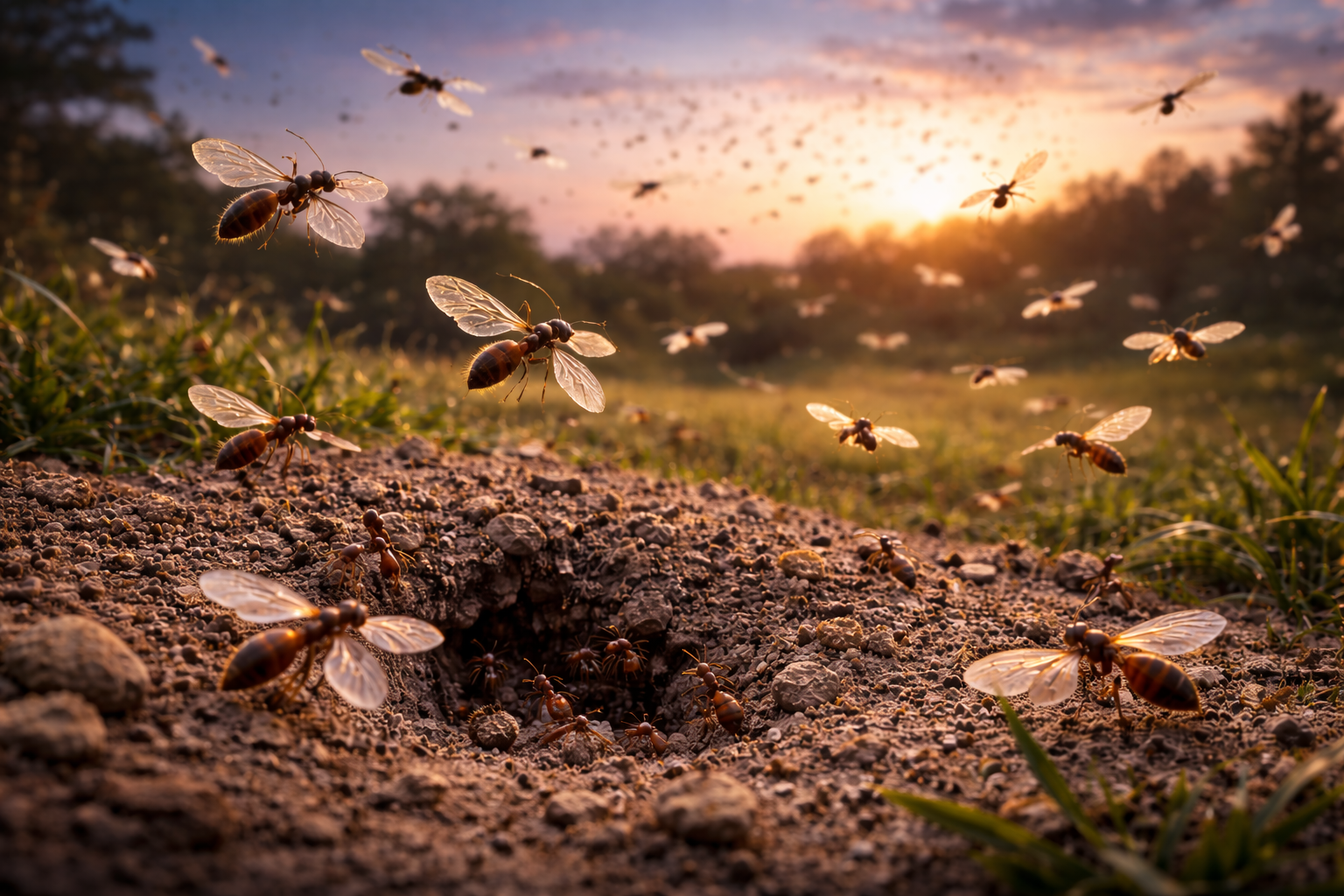
    Mating and Reproduction: The Complex Art of the Nuptial Flight

    In the scientific study of life, few events are as spectacular or high-stakes as the drive to create the next generation. This phase of insect behavior is characterized by extreme competition and elaborate displays designed to ensure genetic survival. From massive synchronized flights to intimate one-on-one rituals, the strategies used to locate and win a mate are among the most diverse in the animal kingdom, often involving high-energy maneuvers that test the physical limits of the species.

    Courtship Rituals: From Gift-Giving to Bio-Luminescent Displays

    Courtship is a highly specialized form of insect behavior that serves to identify a compatible mate and reduce the risk of predatory attack during the process. Some species, like the dance fly, engage in “gift-giving,” where the male presents a protein-rich silk-wrapped insect to the female to ensure her cooperation. Others utilize light and sound; fireflies use precise bio-luminescent “morse code” flashes to signal their location, while certain crickets produce complex acoustic songs. These rituals act as biological filters, ensuring that only the healthiest and most capable individuals successfully reproduce.

    Reproductive Systems: Understanding Oothecae and Parental Care

    Once mating is complete, the focus of insect behavior shifts to the survival of the offspring through various reproductive strategies. While many insects simply lay eggs and depart, others invest heavily in protection, such as the cockroach or mantis, which produces a leathery, protective ootheca to shield embryos from the elements and predators. In rare cases, such as with giant water bugs or certain earwigs, we observe advanced parental care, where the adults actively guard the eggs or carry them on their backs to ensure a high hatch rate in a dangerous environment.

    The Complex Art of the Nuptial Flight
    The Complex Art of the Nuptial Flight

    Social Structures: The “Superorganism” of Ants, Bees, and Termites

    In the scientific study of life, the most awe-inspiring display of insect behavior is found within eusocial societies. In these groups, individuals no longer act for themselves but function as integrated cells within a “superorganism.” This collective existence allows a colony of ants, bees, or termites to solve complex engineering and survival problems—such as climate-controlling a mound or harvesting vast amounts of food—that would be impossible for a solitary insect to achieve.

    Division of Labor: The Caste System and Task Allocation

    The backbone of social insect behavior is a highly organized “caste system” where roles are determined by age, size, or genetics. In a typical colony, the queen is responsible for reproduction, while the workers and soldiers handle everything from nursing larvae to defending the nest. This task allocation is incredibly fluid; for instance, a worker bee may start her life as a “nurse” inside the hive and transition into a “forager” as she matures. This specialization ensures that the colony’s energy is used with maximum efficiency, allowing the group to thrive even in harsh environments.

    Collective Intelligence: How Thousand-Strong Colonies Make One Decision

    Perhaps the most mysterious aspect of insect behavior is “swarm intelligence,” the process by which thousands of individuals make a single, unified decision without a central leader. Whether it is a swarm of bees choosing a new nesting site or ants finding the shortest path to a sugar source, the decision emerges from local interactions and feedback loops. By using simple rules—like following the strongest pheromone trail—the colony exhibits a form of collective wisdom that allows them to navigate and dominate the insect environment with startling accuracy.

    Defense and Survival: The Master Mimics and Chemical Warriors

    In the scientific study of life, the “arms race” between predator and prey has resulted in some of the most ingenious examples of insect behavior. Survival is never guaranteed, so species have evolved high-stakes tactics that range from complete invisibility to aggressive chemical warfare. These methods are not just about individual safety; they are a sophisticated biological investment in ensuring the species can survive long enough to reproduce in a hostile insect environment.

    Camouflage and Aposematism: The Visual Art of Staying Alive

    Visual insect behavior is often a choice between blending in or standing out. Many species utilize crypsis (camouflage) to become virtually invisible to predators, such as stick insects that mimic twigs or katydids that look like rotting leaves. On the opposite end of the spectrum is aposematism, where insects use bright “warning colors”—like the vibrant oranges of the monarch butterfly—to signal that they are toxic or unpalatable. This visual honesty saves the insect’s life by teaching predators to associate specific patterns with a painful or poisonous experience.

    Colony Defense: Warning Scents and “Doomed Ant” Signals

    For social species, defensive insect behavior is a coordinated effort that often requires individual sacrifice. When a nest is disturbed, workers release “alarm pheromones” that act as a chemical siren, instantly recruiting soldiers to the site of the breach. Some species have even evolved extreme altruism, such as certain ants that engage in autothysis—exploding their own bodies to coat an attacker in a sticky, toxic glue. These “doomed” individuals prioritize the survival of the queen and the collective over their own lives, ensuring the colony’s fortification remains intact.

    Conclusion: Why Understanding Behavior is the Future of Pest Management

    In the scientific study of life, shifting our focus from simple elimination to a deep understanding of insect behavior represents the most significant advancement in modern pest control, as it allows us to outsmart pests by targeting their biological “triggers” rather than relying solely on broad-spectrum chemicals. By decoding the specific ways a forager communicates, navigates, and reproduces, we can implement high-precision Integrated Pest Management (IPM) strategies that disrupt colonies at their source, utilizing pheromone disruption or environmental modification to make our homes inhospitable to invaders. As we move through 2026, this behavior-driven approach not only ensures more effective and sustainable protection but also fosters a science-based harmony that manages the insect environment with intelligence and environmental responsibility.

    FAQs: Common Questions on Insect Intelligence and Behavior

    • Do insects actually have intelligence or are they just tiny robots? While they don’t have human-like reasoning, insect behavior demonstrates a high level of “distributed intelligence.” For example, bees can solve complex mathematical problems like the “Traveling Salesman Problem” to find the shortest route between flowers, and ants use collective memory to navigate. They aren’t robots; they are biological computers programmed for extreme efficiency and environmental adaptation.
    • Can insects learn and remember things? Absolutely. Research into insect behavior shows that many species, particularly pollinators like bees and wasps, have incredible spatial memory. They can remember landmarks, colors, and even time of day to return to a food source. Some studies have even shown that certain insects can be trained to associate a specific scent with a reward, much like Pavlov’s dogs.
    • Do insects feel pain or emotions like we do? This is a hot topic in the scientific study of life. While insects have a nervous system and can detect harmful stimuli (nociception) to move away from danger, scientists generally believe they do not “process” pain emotionally like mammals. Their responses are primarily survival-based insect behavior, allowing them to continue functioning even when injured to ensure the survival of their genetics or colony.
    • Why do some insects seem to “play dead” when touched? This is a defensive strategy known as thanatosis. It is a calculated piece of insect behavior designed to trick predators that only eat live prey. By becoming completely still, the insect removes the visual trigger of “movement” that many hunters rely on, often causing the predator to lose interest and move on.
    • How do insects navigate so perfectly in the dark? Many nocturnal species use a mix of “celestial navigation” (using the moon or stars) and polarized light detection. Additionally, their antennae serve as high-tech sensors in the insect environment, detecting pheromone molecules and air currents that act as a map, allowing them to “see” their way through a room or forest without any light at all.