Author: Muhammad Mubashar

  • A Master Guide to Communication in Insects

    A Master Guide to Communication in Insects

    In the scientific study of life, we have discovered that the natural world is far from silent; it is filled with a constant stream of biological data. The various forms of communication in insects represent a complex “language of survival” that allows these organisms to coordinate everything from mass migrations to the defense of a single hive. In 2026, researchers are decoding these signals to better understand how millions of individuals can act as a single, intelligent unit, providing us with a blueprint for advanced robotics and more sustainable agricultural management.

    The fundamental success of any insect colony or species depends on its ability to send and receive clear, actionable information. Unlike human language, communication in insects utilizes a multi-sensory approach that combines chemical markers, physical vibrations, and visual displays to bridge the gap between individuals. These behavioral patterns are not merely random actions but are highly refined signaling systems that have evolved over millions of years to ensure that critical messages—such as the location of a food source or the approach of a predator—are transmitted with near-perfect accuracy.

    As global environments continue to shift, the importance of understanding these signaling methods has never been higher. By mastering the science behind communication in insects, we gain the ability to protect essential pollinators and develop non-toxic pest management strategies that utilize the insects’ own “data streams” against them. This master guide explores the intricate networks of the insect world, revealing how the smallest wonders of nature use the power of communication to dominate nearly every ecosystem on our planet.

    Decoding the Signal: The Fundamentals of Insect Behavioral Patterns

    In the scientific study of life, the transition from basic survival to complex interaction is driven by the reliability of the signals sent between individuals. To understand the various forms of communication in insects, we must first look at the behavioral foundations that allow a solitary organism to evolve into a member of a high-functioning society. These behavioral patterns act as the hardware upon which the software of social communication is built, enabling insects to navigate a world filled with competing sensory data.

    From Solitary to Social: The Evolution of Interaction

    The evolution of sociality in the insect world is a journey from independent survival to total interdependence. Most primitive communication in insects began as simple “cues,” such as the scent a beetle leaves behind, which others might unintentionally follow. Over millions of years, these accidental cues were refined into intentional signals. This shift allowed solitary hunters to evolve into “eusocial” colonies, like those of ants and termites, where individual behavior is entirely sacrificed for the collective good of the hive through constant, real-time data sharing.

    Signal vs. Noise: How Insects Filter Critical Information

    In a crowded ecosystem, the air and ground are saturated with “noise,” including irrelevant scents, wind vibrations, and light reflections. Effective communication in insects requires a high degree of signal filtering to ensure that a vital message is not lost. Insects achieve this through specialized sensory tuning, where their receptors are “locked” to a specific frequency or chemical structure. For instance, a male moth’s antennae are so finely tuned to the specific pheromone of a female that they can detect a single molecule amidst millions of other scent particles, demonstrating an incredible biological ability to isolate a signal from the noise of the environment.

    The Fundamentals of Insect Behavioral Patterns
    The Fundamentals of Insect Behavioral Patterns

    The Four Pillars of Communication in Insects

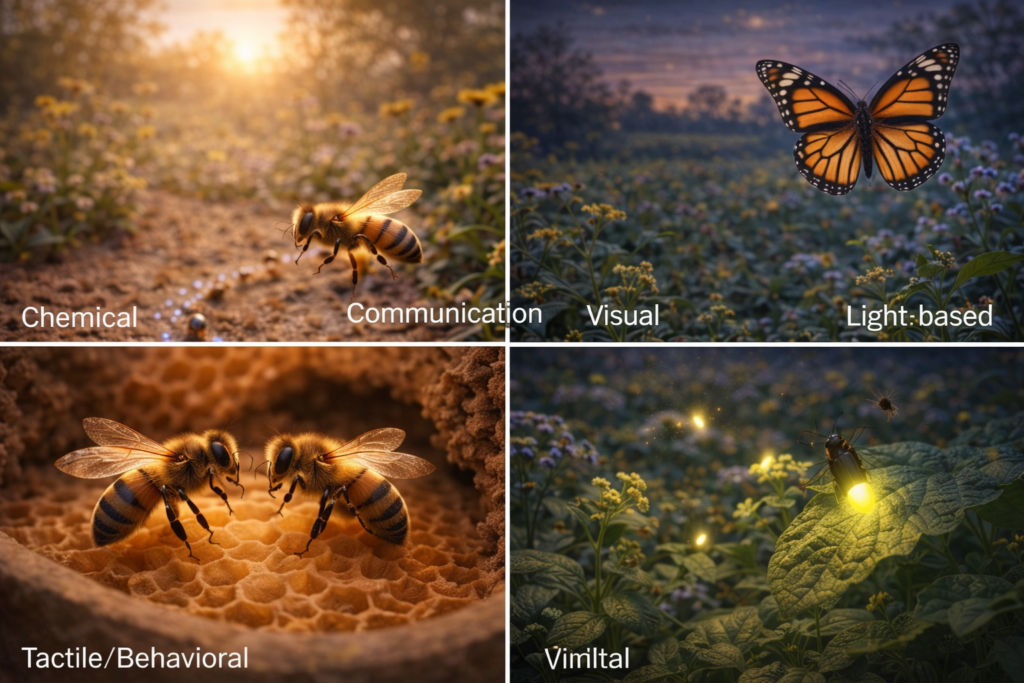
    In the scientific study of life, the complexity of an insect’s world is managed through four primary sensory channels. These “pillars” represent the diverse methods of communication in insects, each serving a specific environmental or social purpose. By utilizing these distinct streams of data, insects can coordinate complex tasks across large distances or within the crowded, dark tunnels of a subterranean nest.

    Chemical Networks: The Invisible World of Pheromones

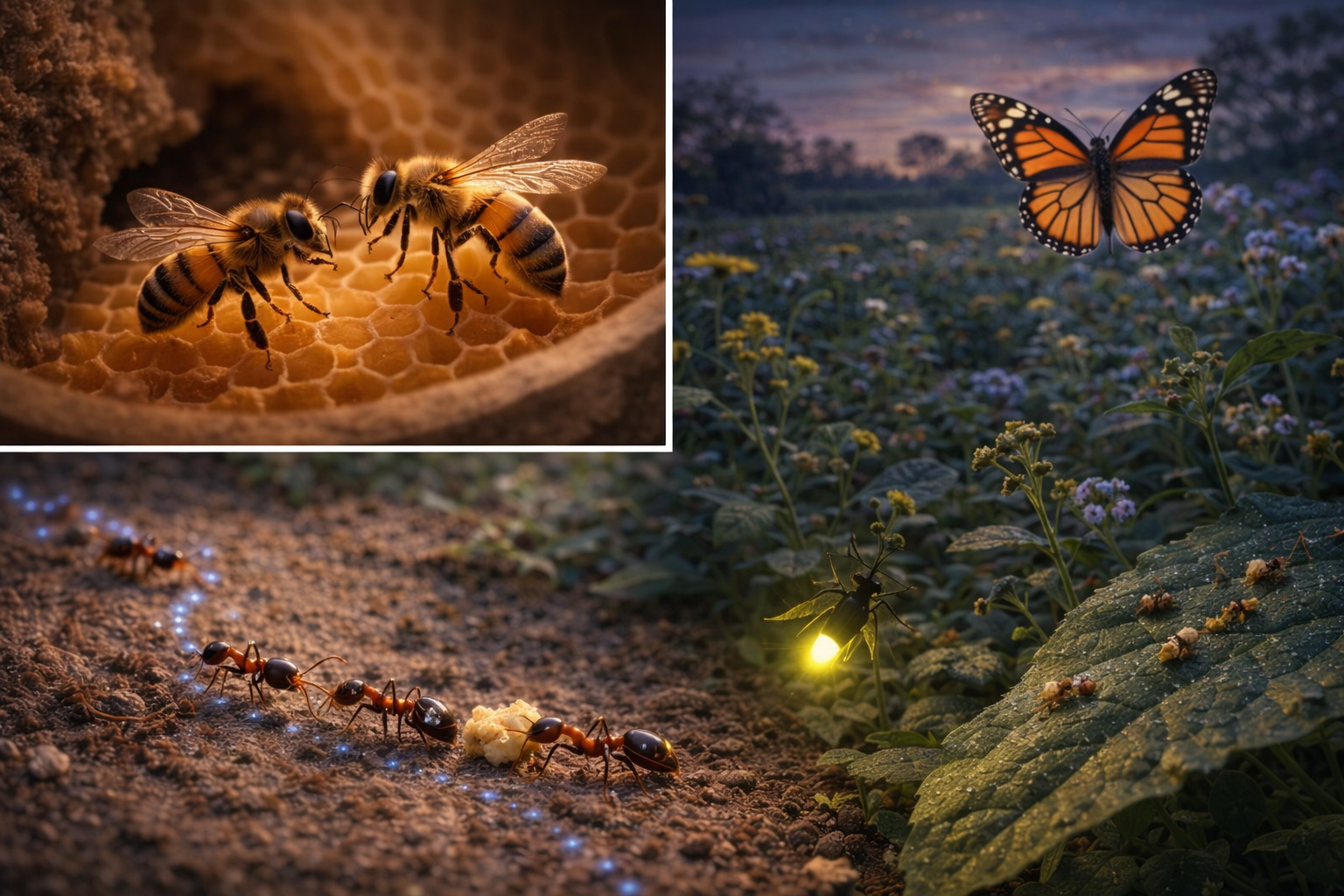
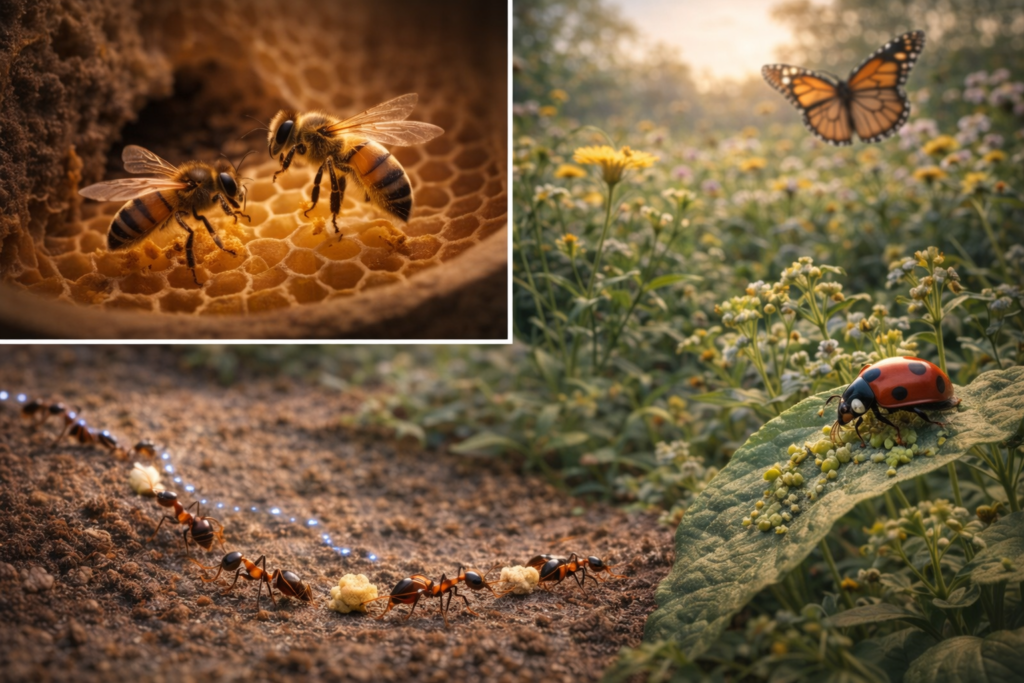
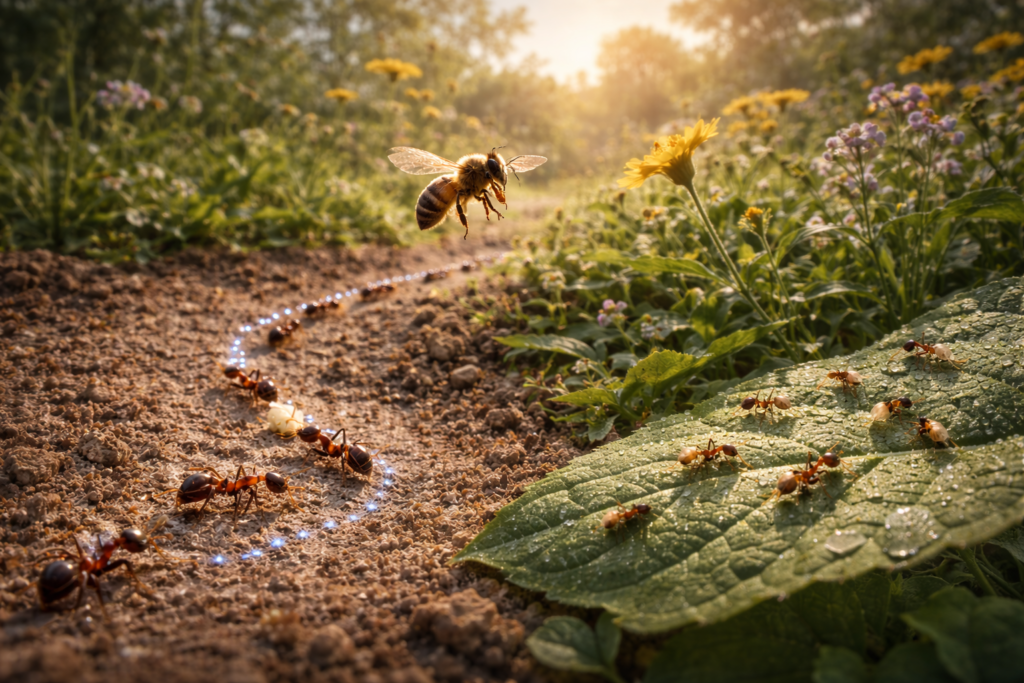
    Chemical signaling is the most widespread and ancient form of communication in insects. Pheromones are specialized chemical secretions that trigger a specific behavioral response in other members of the same species. These can range from “alarm pheromones” that call a colony to battle, to “trail pheromones” used by foragers to map a path to food. Because chemicals linger in the air or on surfaces, they act as a persistent messaging system that functions perfectly even in total darkness.

    Acoustic Engineering: Using Vibration and Sound as Data

    Many insects use sound and mechanical vibrations to transmit information through the air, water, or solid substrates. This form of communication in insects is often used for long-range attraction, such as the loud “songs” of crickets and cicadas produced by stridulation. However, it also includes “substrate-borne” vibrations, where insects tap or drum their bodies against leaves or wood to send private alerts to nearby colony members, bypassing the ears of flying predators.

    Visual Displays: Color, Light, and Motion-Based Signaling

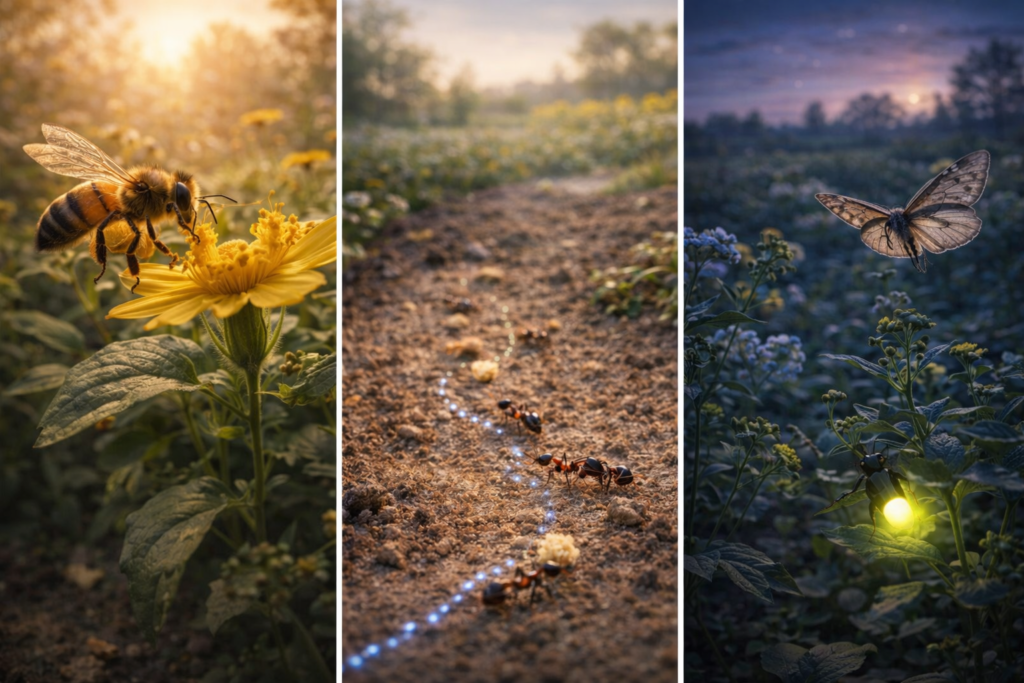
    Visual signals are rapid and highly effective in well-lit environments or through specialized biological light. This pillar of communication in insects includes everything from the bright, warning colors of a toxic butterfly to the rhythmic flashes of a firefly’s abdomen. Motion also plays a key role, where specific flight patterns or body “posturing” tell a competitor to back off or a mate to approach, providing an immediate “read” of the sender’s intent.

    The Power of Touch: Tactile Feedback in Colony Logistics

    Tactile or physical communication is the backbone of short-range social interaction. In the dense population of a hive, communication in insects often involves “antennation,” where individuals touch antennae to exchange chemical and mechanical data. This “physical handshake” allows social insects to recognize nestmates, assess the health of the queen, and even gauge the hunger levels of other workers, ensuring the colony’s logistics remain balanced and efficient.

    The Four Pillars of Communication in Insects
    The Four Pillars of Communication in Insects

    Advanced Data Sharing: Communication in Social “Superorganisms”

    In the scientific study of life, the most impressive display of collective intelligence is found in social “superorganisms.” These colonies operate as a single unit where the biological exchange of data reaches a level of sophistication comparable to human logistics networks. By sharing high-fidelity information across the group, these organisms can solve complex problems—such as navigating to distant resources or defending massive territories—that would be impossible for a solitary individual to manage.

    The Waggle Dance: Precise Spatial Data in Honeybees

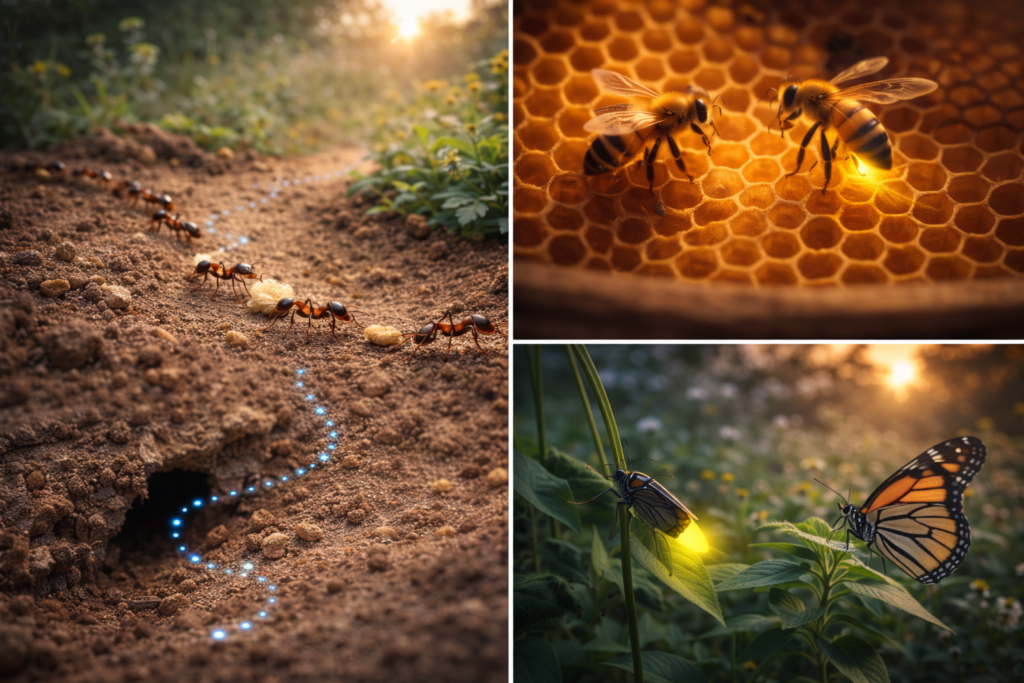
    The honeybee waggle dance is perhaps the most famous example of symbolic communication in insects. When a forager finds a rich patch of flowers, she returns to the hive and performs a figure-eight dance on the vertical honeycomb. The angle of her run relative to “up” (gravity) tells other bees the direction of the food relative to the sun, while the duration of the “waggle” phase indicates the exact distance. This allows the colony to deploy its workforce with surgical precision to the most profitable locations.

    Pheromone Highways: The Logistics of Ant Trail Management

    Ants manage their foraging efforts through dynamic chemical networks known as pheromone highways. This form of interaction utilizes a positive feedback loop where a successful forager lays a scent trail from the food back to the nest. As more ants follow the trail and find food, they add their own pheromones, making the signal stronger. Conversely, if the food source runs out, the pheromones naturally evaporate and the trail shuts down, allowing the colony to reallocate its workers to more productive areas without wasting energy.

    Termite Vibrations: Rapid Emergency Response Systems

    Because termites often live in total darkness, they rely heavily on mechanical signals for colony defense. This tactile method involves soldier termites head-banging against the tunnel walls when they detect a breach or a predator. These vibrations travel rapidly through the hard-packed soil or wood of the mound, acting as a colony-wide alarm system. In 2026, bio-acoustic research shows that these pulses are rhythmic and coded, allowing termites to distinguish between a minor structural disturbance and a full-scale invasion.

    Ecological Interference: How the Environment Shapes the Signal

    In the scientific study of life, we are discovering that external factors can significantly distort or even silence the natural flow of biological information. These challenges to communication in insects occur when environmental changes interfere with the physical or chemical properties of the message being sent. As we look at the state of biodiversity in 2026, understanding these signal breaks is essential for protecting the delicate balance of our global food systems and natural habitats.

    Climate Shifts: The Impact of Heat on Pheromone Volatility

    Temperature is a critical variable in chemical signaling because it controls how quickly molecules evaporate into the air. In hotter climates, pheromones can become too volatile, evaporating so quickly that a trail or an attraction signal disappears before it can be received. This can cause a breakdown in colony logistics where ants can no longer find their way back to the nest or where mates are unable to locate one another, leading to a sudden and dangerous decline in local populations.

    Anthropogenic Noise: When Human Activity Disrupts Insect Data

    Human activity introduces massive amounts of noise into the environment, from the low frequency hum of heavy machinery to the chemical pollution in our air. This interference is particularly damaging to species that rely on acoustic engineering for survival. For example, the vibrations from nearby construction can mask the emergency head banging signals of termites or the mating songs of crickets. Furthermore, chemical pollutants in the atmosphere can bind to insect pheromones, changing their molecular structure and effectively scrambling the message before it reaches its destination.

    How the Environment Shapes the Signal
    How the Environment Shapes the Signal

    Applied Behavioral Science: Exploiting Signals for 2026 Pest Management

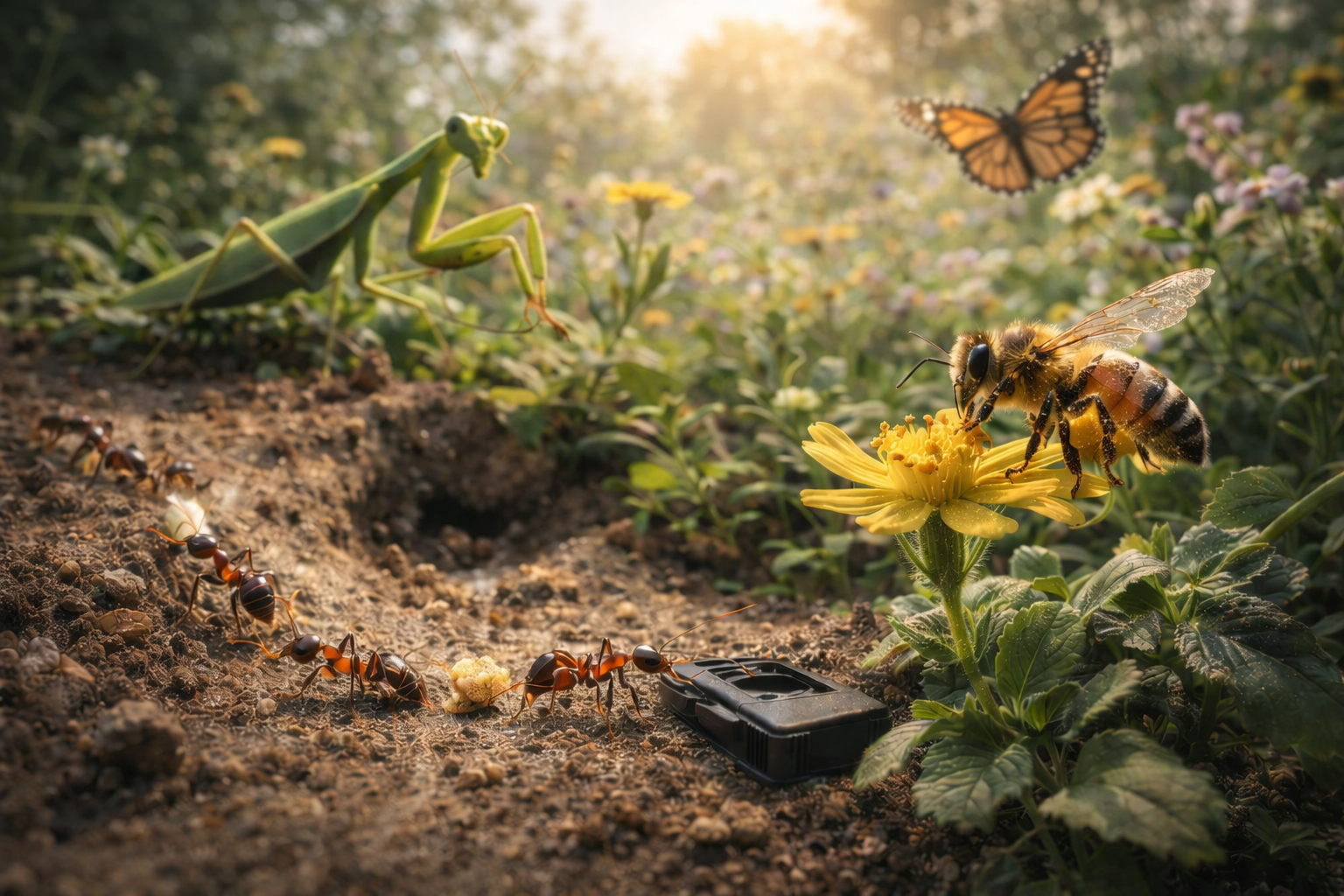
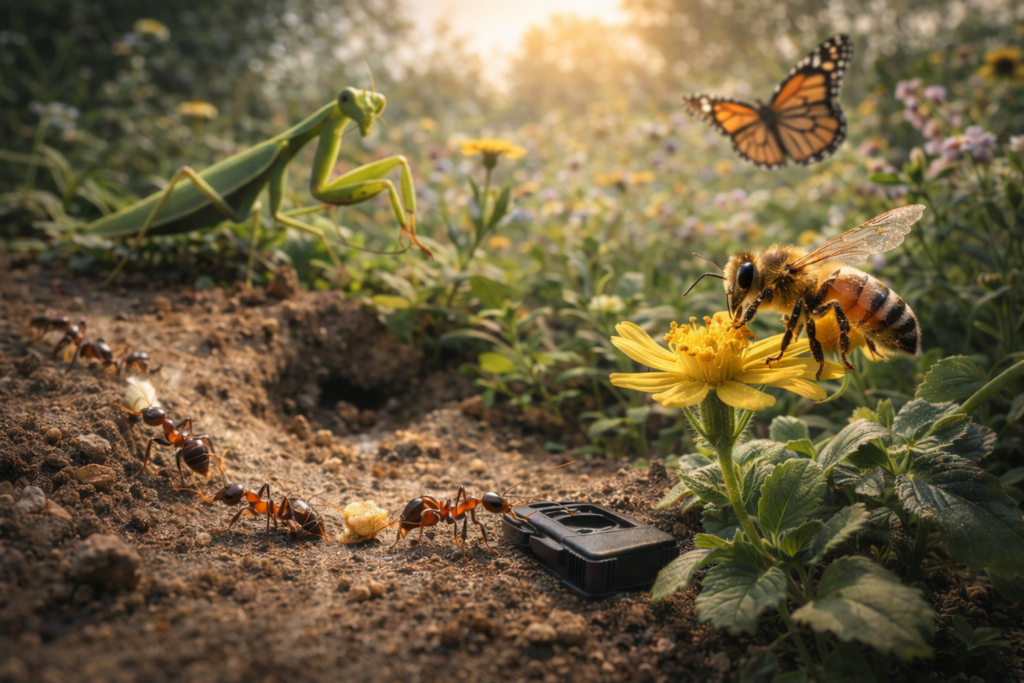
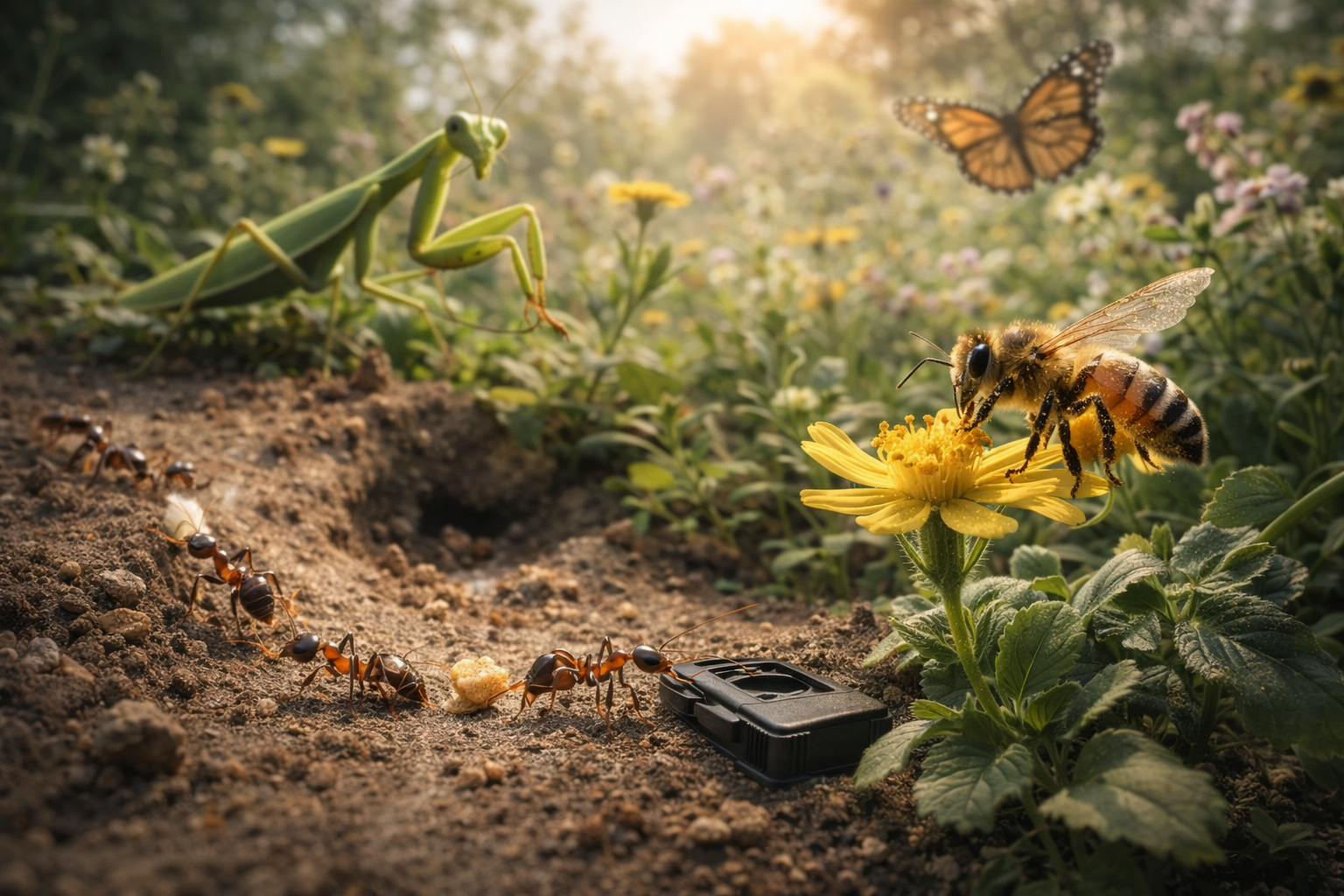
    In the scientific study of life, the ability to “hack” biological operating systems has revolutionized modern pest control by shifting from toxic chemicals to targeted behavioral disruption. By leveraging the high-fidelity mechanics of communication in insects, experts in 2026 utilize synthetic pheromones to scramble mating signals and acoustic interference to mimic predator vibrations, safely driving pests away from crops and structures. This strategic exploitation of social data sharing—such as using an ant colony’s own tactile and chemical networks to distribute “smart” baits—allows for surgical precision in population management. Ultimately, understanding these natural languages enables us to protect global ecosystems and food supplies with minimal environmental impact, marking a new era of informed, scientific co-existence.

    Conclusion: Why Behavioral Literacy is the Future of Entomology

    In the scientific study of life, the shift toward behavioral literacy marks the end of an era defined by broad chemical use and the beginning of high-precision ecological management. By mastering the various forms of communication in insects, researchers in 2026 can now influence entire populations by disrupting their internal signaling rather than just their physical survival. This deep understanding of biological data sharing allows us to protect essential pollinators and manage agricultural pests by working with their natural instincts instead of against them. Ultimately, treating the insect world as a complex network of information enables a more sustainable, scientifically informed approach to biodiversity that ensures the stability of our global food systems.

    FAQs: Understanding the Complex Signaling Systems of Insects

    How do insects communicate in total darkness? Many social species rely on chemical networks and tactile feedback. By using pheromones and “antennation” (physically touching antennae), they can exchange complex logistics data without needing any visual light. This ensures the colony remains coordinated regardless of time or location.

    Can human noise really stop insects from “talking”? Yes, this is known as “acoustic masking.” Anthropogenic noise from machinery or urban traffic can vibrate at the same frequency as insect signals, effectively drowning out mating calls or emergency alarms. This can lead to a dangerous breakdown in a species’ ability to reproduce or defend itself.

    What is the most advanced form of communication in insects? The “Waggle Dance” of the honeybee is often cited because it uses symbolic movement to share precise mathematical data regarding the direction and distance of resources. It is one of the few known non-human communication systems that can describe things that are not currently visible.

    Are pheromones the only way ants find food? While pheromones create the “highway,” ants also use tactile signals and visual landmarks to navigate. However, the chemical trail is the primary method for mass recruitment and colony-wide coordination, allowing thousands of individuals to act as a single unit.

    Why is 2026 a turning point for studying these signals? With rising global temperatures affecting signal volatility and chemical persistence, understanding how the environment shapes the message is critical. This knowledge is essential for saving endangered pollinators and securing our food supply through behavioral-based pest management.

  • A Complete Guide to Types of Insect Behavior

    A Complete Guide to Types of Insect Behavior

    n the scientific study of life, understanding how an organism responds to its environment is the key to mastering both sustainable pest control and advanced ecological conservation. By categorizing the various types of insect behavior, we can see that these creatures operate through a sophisticated mix of “hardwired” biological code and “soft” learned experiences that have been refined over millions of years. In 2026, researchers are increasingly using these behavioral classifications to build more efficient AI models and smarter agricultural traps, proving that even the most basic movement has a high-level computational purpose.

    The fundamental architecture of these biological systems is divided between innate responses, which are genetically inherited, and learned behaviors that allow for individual adaptation. Innate types of insect behavior act as the “factory settings” of the insect mind, ensuring that life-critical tasks like spinning a web or performing a mating dance are executed perfectly from birth without prior training. However, the scope of these behaviors is not strictly rigid; many insects demonstrate an impressive capacity for habituation and conditioning, allowing them to modify their actions based on repeated environmental stimuli or successful foraging experiences.

    Beyond internal programming, the way an insect navigates its surroundings through orientation specifically via kinesis and taxis reveals a high degree of directional intelligence. These types of insect behavior allow a species to move toward beneficial resources like light and moisture or away from lethal threats like predators and toxic chemicals. By decoding these movement patterns along with biological rhythms like periodicity, we can gain a complete view of the “biological software” that allows insects to dominate almost every ecosystem on Earth, providing us with the tools to manage them with scientific precision.

    The Hardwired Mind: Innate vs. Learned Foundations of Insect Behavior

    In the scientific study of life, the fundamental architecture of the insect mind is built upon a dual-system approach. While many organisms rely on complex deliberation, the various types of insect behavior are largely divided between hardwired genetic instructions and the ability to modify those instructions based on environmental feedback. This balance ensures that an insect can perform life-critical tasks immediately upon hatching while still possessing the flexibility to adapt to the unique challenges of its specific habitat.

    Genetic Programming: Why Certain Actions are Unstoppable

    Innate behaviors represent the factory settings of the insect world. These are heritable and intrinsic actions performed perfectly the very first time without any prior training or observation. Because these types of insect behavior are hardwired into the nervous system, they often manifest as “Fixed Action Patterns” that are virtually unstoppable once triggered. A classic example is a silk-spinning caterpillar that will continue its rhythmic head movements even if the silk is removed because the biological program must run to its conclusion regardless of the external result.

    The Experience Factor: How Learning Refines Instinct in 2026

    Contrary to the myth that insects are merely tiny robots, many types of insect behavior are actually refined through trial and error. Bees, for instance, learn which specific flower shapes and colors in their local area yield the highest sugar content, significantly increasing their foraging efficiency over several days. In 2026, researchers are discovering that these learned associations allow insects to navigate changing landscapes, proving that experience acts as a sophisticated filter for their base instincts.

    Habituation and Conditioning: Adapting to a Changing Environment

    Habituation is one of the most practical types of insect behavior where an individual learns to ignore a repetitive stimulus that provides neither a threat nor a reward. A common example is a cockroach eventually ignoring the vibration of a nearby appliance once it realizes the movement does not signal a predator. Conversely, classical conditioning allows insects to associate a neutral stimulus with a positive outcome. This trait is currently being used in 2026 to train honeybees to detect specific chemical signatures by associating those scents with a reward of sugar water.

    Innate vs. Learned Foundations of Insect Behavior
    Innate vs. Learned Foundations of Insect Behavior

    Rapid Responses: The Mechanics of Simple and Complex Reflexes

    In the scientific study of life, the way an organism moves through its environment is a testament to its survival strategy. These specific types of insect behavior are categorized by how an individual reacts to a gradient of stimuli such as light, moisture, or chemical concentration. By understanding these navigational rules, we can predict where a population will congregate and how they will seek out the resources necessary for their growth.

    Kinesis: Random Walks and Undirected Speed Adjustments

    Kinesis is a non-directional response where the intensity of a stimulus affects the speed or the rate of turning but not the actual direction of travel. In this mode, an insect might move faster in an unfavorable environment to increase its chances of stumbling upon a better location. A woodlouse, for example, will increase its activity in dry air and slow down significantly once it reaches a moist area. This ensures it spends the majority of its time in the damp conditions it needs to survive without ever intentionally “steering” toward them.

    Taxis: Precision Movement Toward Light, Chemicals, and Gravity

    Unlike random movement, taxis is a directed response where an insect moves specifically toward or away from a source. This is a highly calculated action that relies on the insect’s ability to compare the strength of a signal between its two antennae or eyes. Whether it is a moth flying toward a flame or an ant following a pheromone trail, these actions allow for high precision in locating mates, food, and nesting sites.

    Phototaxis and Chemotaxis: How Insects Locate “Hot Zones”

    Phototaxis and chemotaxis are specialized forms of directed movement that govern how insects interact with light and chemical signals. Positive phototaxis draws many nocturnal species toward artificial light sources, while negative phototaxis drives soil dwelling insects into the dark safety of the earth. Chemotaxis is perhaps the most advanced of these mechanisms, allowing a predator to track the minute chemical signature of its prey across vast distances by constantly adjusting its path to follow the strongest scent gradient.

    Directional Intelligence: Navigating the World Through Kinesis and Taxis

    In the scientific study of life, the way an organism moves through its environment is a testament to its survival strategy. These specific types of insect behavior are categorized by how an individual reacts to a gradient of stimuli such as light, moisture, or chemical concentration. By understanding these navigational rules, we can predict where a population will congregate and how they will seek out the resources necessary for their growth.

    Kinesis: Random Walks and Undirected Speed Adjustments

    Kinesis is a non-directional response where the intensity of a stimulus affects the speed or the rate of turning but not the actual direction of travel. In this mode, an insect might move faster in an unfavorable environment to increase its chances of stumbling upon a better location. A woodlouse, for example, will increase its activity in dry air and slow down significantly once it reaches a moist area. This ensures it spends the majority of its time in the damp conditions it needs to survive without ever intentionally steering toward them.

    Taxis: Precision Movement Toward Light, Chemicals, and Gravity

    Unlike random movement, taxis is a directed response where an insect moves specifically toward or away from a source. This is a highly calculated action that relies on the insect’s ability to compare the strength of a signal between its two antennae or eyes. Whether it is a moth flying toward a flame or an ant following a pheromone trail, these actions allow for high precision in locating mates, food, and nesting sites.

    Phototaxis and Chemotaxis: How Insects Locate “Hot Zones”

    Phototaxis and chemotaxis are specialized forms of directed movement that govern how insects interact with light and chemical signals. Positive phototaxis draws many nocturnal species toward artificial light sources, while negative phototaxis drives soil dwelling insects into the dark safety of the earth. Chemotaxis is perhaps the most advanced of these mechanisms, allowing a predator to track the minute chemical signature of its prey across vast distances by constantly adjusting its path to follow the strongest scent gradient.

    Navigating the World Through Kinesis and Taxis
    Navigating the World Through Kinesis and Taxis

    Biological Clocks: Periodicity and the Rhythms of the Insect World

    In the scientific study of life, the ability to tell time is just as critical as the ability to find food. These rhythmic types of insect behavior are governed by internal biological clocks that allow an organism to anticipate environmental changes before they occur. By synchronizing their activities with the rotation of the Earth and the changing of the seasons, insects ensure they are active only when conditions are most favorable for their survival and reproduction.

    Circadian Rhythms: The 24-Hour Cycle of Sleep and Foraging

    Circadian rhythms are the most common internal timers, regulating activities over a roughly 24-hour period. These cycles determine whether an insect is diurnal, nocturnal, or crepuscular. For example, honeybees use their internal clock to remember the exact time of day specific flowers secrete the most nectar, allowing them to optimize their foraging trips. Even in total darkness, these rhythms persist, proving that the behavior is driven by an internal genetic mechanism rather than just a simple reaction to sunlight.

    Seasonal and Lunar Periodicity: Timing Migrations and Mating

    Beyond the daily cycle, many insects follow longer-term rhythms tied to the moon or the shifting seasons. Lunar periodicity is often seen in aquatic insects that swarm and mate in massive numbers during specific moon phases to overwhelm predators. Seasonal rhythms are even more dramatic, triggering long-distance migrations like those of the Monarch butterfly. These movements are precisely timed to ensure the insects arrive in warmer climates or find fresh host plants exactly when they are needed for the next generation. All of these cyclical types of insect behavior are essential for maintaining population levels and ensuring that life cycles remain synchronized with the ever-changing global environment.

    Diapause: The Behavioral Strategy of Environmental “Hibernation”

    Diapause is a sophisticated state of suspended animation that allows insects to survive extreme conditions like the freezing winters or intense summer heat of Punjab. Unlike simple sleep, diapause is a hormonal shift that stops development and drastically lowers the metabolic rate. This is a proactive survival strategy where the insect “shuts down” in response to shortening day lengths or falling temperatures, ensuring it remains dormant until the environment is safe enough for it to resume its life cycle.

    dicity and the Rhythms of the Insect World
    dicity and the Rhythms of the Insect World

    Comparative Analysis: Key Differences in Behavioral Modalities

    In the scientific study of life, distinguishing between various biological responses is essential for understanding how a species thrives or fails in a changing environment. This comparative analysis clarifies the different types of insect behavior by highlighting the unique advantages and limitations of each. By mapping these modalities, researchers and designers can better simulate or manage the complex interactions between insects and their ecological niches.

    Innate vs. Learned: Evolution vs. Experience

    The primary difference between these two states lies in the source of the information. Innate behaviors are the result of millions of years of natural selection and are encoded directly into the DNA, making them uniform across an entire species. These actions are perfect from birth but lack flexibility. In contrast, learned behaviors are the result of an individual’s unique life history and are acquired through trial and error. While innate patterns ensure a baseline for survival, learning allows an insect to adapt to specific, local changes that evolution could not have predicted. These contrasting types of insect behavior demonstrate how a species balances hardwired survival instincts with the cognitive flexibility needed to thrive in a fluctuating environment.

    Kinesis vs. Taxis: Random Search vs. Targeted Navigation

    When observing movement, the distinction between kinesis and taxis is defined by the presence or absence of a specific direction. Kinesis is an undirected response where an insect simply changes its speed or rate of turning based on the intensity of a stimulus, essentially wandering until it hits a favorable zone. Taxis is a highly directed response where the insect uses its sensory organs to orient its body specifically toward or away from a source. While kinesis is an efficient way to find a general habitat, taxis provides the precision needed for complex tasks like tracking a mate or locating a specific host plant. Both navigation methods represent essential types of insect behavior that allow a species to optimize its position within an ecosystem for maximum survival.

    Conclusion: Mastering Behavioral Types for Advanced Pest Management

    In the scientific study of life, the ability to categorize and influence the various types of insect behavior represents the most significant shift from traditional chemical reliance to high-precision ecological management. By mastering the distinction between innate instincts and learned adaptations, we can design environments that disrupt life-critical cycles or exploit natural reflexes to lead pests away from our crops and homes. This behavioral literacy allows for the development of “smart” interventions such as pheromone-based taxis disruption or the manipulation of circadian rhythms to ensure that our agricultural and urban spaces remain protected. Ultimately, understanding these biological rules transforms our approach to pest control into a sophisticated strategy of informed co-existence, where we use the insects’ own hardwired logic to maintain the delicate balance of our global ecosystems.

    FAQs: Common Questions on Instinct, Learning, and Navigation

    Can an insect really learn, or is everything just instinct? While most actions are innate, many species show a high capacity for learning through experience. Honeybees can learn to associate specific colors with food rewards, and some insects even demonstrate habituation by learning to ignore non-threatening shadows or sounds. This proves that while their factory settings are instinctual, their biological software can be updated by their environment through different types of insect behavior.

    What is the main difference between kinesis and taxis? The simplest way to distinguish these types of insect behavior is by direction. Kinesis is an undirected movement where an insect simply changes its speed or turning rate based on a stimulus, like a woodlouse speeding up in dry air to find moisture. Taxis is a directed movement where the insect orients its body specifically toward or away from a source, such as a moth flying directly toward a light.

    How do insects know when to sleep or migrate? Insects rely on internal biological clocks known as circadian rhythms to manage their 24 hour cycles of sleep and foraging. For longer-term activities like migration or mating, they use seasonal periodicity, which is triggered by changes in day length and temperature. These rhythmic types of insect behavior ensure they are active only when their specific environmental window is open.

    Why do some insects stop moving entirely during winter? This is a specialized state called diapause. It is a hormonal shutdown that is far more advanced than simple sleep, allowing the insect to survive extreme cold or drought by halting its development and lowering its metabolism. It is a proactive survival strategy that ensures the population survives until favorable conditions return.

    How does a reflex differ from a fixed action pattern? A reflex is a near-instantaneous, simple response to a single stimulus, such as a cockroach’s leg jerking away from a touch. A fixed action pattern is a more complex sequence of innate movements that, once triggered, must be performed to completion, such as a wasp building a specific cell in its nest even if the initial conditions change.

  • The Global Impact of Insects Behavior: Mapping the Scope and Significance of Small Wonders

    The Global Impact of Insects Behavior: Mapping the Scope and Significance of Small Wonders

    The scientific study of life has reached a pivotal moment in 2026, where we now recognize that the survival of our global ecosystems rests upon the intricate patterns of insects behavior. This field of study extends far beyond simple observation, encompassing everything from the neurological pathways that drive a solitary forager to the complex swarm intelligence of a billion-member colony. By mapping how these small wonders interact with their environment, researchers are uncovering the biological blueprints that maintain the delicate balance of our planet’s biodiversity and resource management.

    The economic significance of these organisms cannot be overstated, as the scope of insects behavior directly influences the stability of the world’s food supply and industrial innovation. Pollination alone contributes hundreds of billions of dollars to the global economy, a feat made possible only by the specialized floral consistency and navigation skills of bees and butterflies. Furthermore, the way insects solve structural and mechanical problems—such as the climate-controlled architecture of termite mounds—is currently inspiring a new generation of bio-mimetic engineering and sustainable building designs that reduce our carbon footprint.

    Transitioning into the future of pest management, the importance of insects behavior lies in our ability to replace toxic chemical reliance with high-precision, behavior-based interventions. By exploiting natural communication signals, such as pheromone disruption or acoustic masking, we can protect vast agricultural landscapes while preserving the beneficial species that are essential for soil health. This master guide explores the vast horizon of behavioral ecology, proving that the smallest actions in the insect world often carry the greatest weight in the survival of our modern civilization.

    Defining the Horizon: What is the Real Scope of Insects Behavior?

    The scientific study of life has expanded significantly, moving beyond simple observation to a multi-dimensional analysis of how neural pathways and environmental stimuli dictate insects behavior. In 2026, the scope of this field encompasses everything from individual molecular responses to the massive collective intelligence of global “superorganisms.” By defining this horizon, we can begin to understand how these creatures solve complex engineering, navigation, and survival problems that have baffled scientists for centuries.

    Beyond the “Tilchatta”: The Multi-Dimensional Study of Life

    While many people first encounter insects through common household pests like the cockroach (locally known as the Tilchatta), the actual scope of insects behavior reaches into every corner of the Earth’s biosphere. Modern research now categorizes these actions into distinct dimensions: physiological, ecological, and social. This means that a single movement—such as a beetle’s flight—is analyzed not just as a mechanical act, but as a response to internal hunger cues and external pheromone signals, providing a holistic view of how life persists in even the harshest climates.

    Behavioral Ecology: Understanding Evolutionary Adaptation in 2026

    In the current year, behavioral ecology has become the primary lens through which we view insect behavior as a tool for long-term evolutionary survival. As climate patterns shift, we are observing rapid adaptations in how insects migrate, forage, and protect their young. This “evolution in real-time” allows scientists to predict how biodiversity will change over the next decade, ensuring that conservation efforts are directed toward the species that play the most critical roles in maintaining our natural food chains and soil health.

    Sensory Perception: How Insects Map the World Around Them

    The most fascinating aspect of the scope of insects behavior is the sensory “hardware” these creatures use to navigate their surroundings. Unlike humans, insects perceive the world through polarized light, magnetic fields, and microscopic chemical receptors on their antennae. By mapping these sensory inputs, we can understand how a honeybee finds its way back to a hive from miles away or how a predator detects the heat signature of its prey, leading to breakthroughs in high-precision GPS and autonomous drone technology.

    What is the Real Scope of Insects Behavior?
    What is the Real Scope of Insects Behavior?

    The Economic Engine: Why Insect Behavior is Vital for Global Agriculture

    n the scientific study of life, we have discovered that the global economy is intrinsically linked to the daily routines of the insect world. The importance of insects behavior in 2026 cannot be overstated, as it acts as a silent engine driving the success of nearly every major crop on Earth. By understanding how these organisms interact with our food systems, we can move away from expensive, harmful chemical inputs and toward a more profitable, bio-balanced agricultural model.

    The Pollination Powerhouse: Securing the World’s Food Supply

    Pollination is perhaps the most critical example of insects behavior impacting human survival, as one out of every three bites of food we eat depends on it. Honeybees, butterflies, and even certain beetles exhibit high “floral fidelity,” a behavioral trait where an individual stays loyal to one type of plant, ensuring successful fertilization. This consistent movement between blossoms contributes over $200 billion annually to the global economy by securing the yields of high-value crops like almonds, coffee, and cocoa.

    Bio-Inspired Pest Monitoring: Outsmarting Foragers Before They Strike

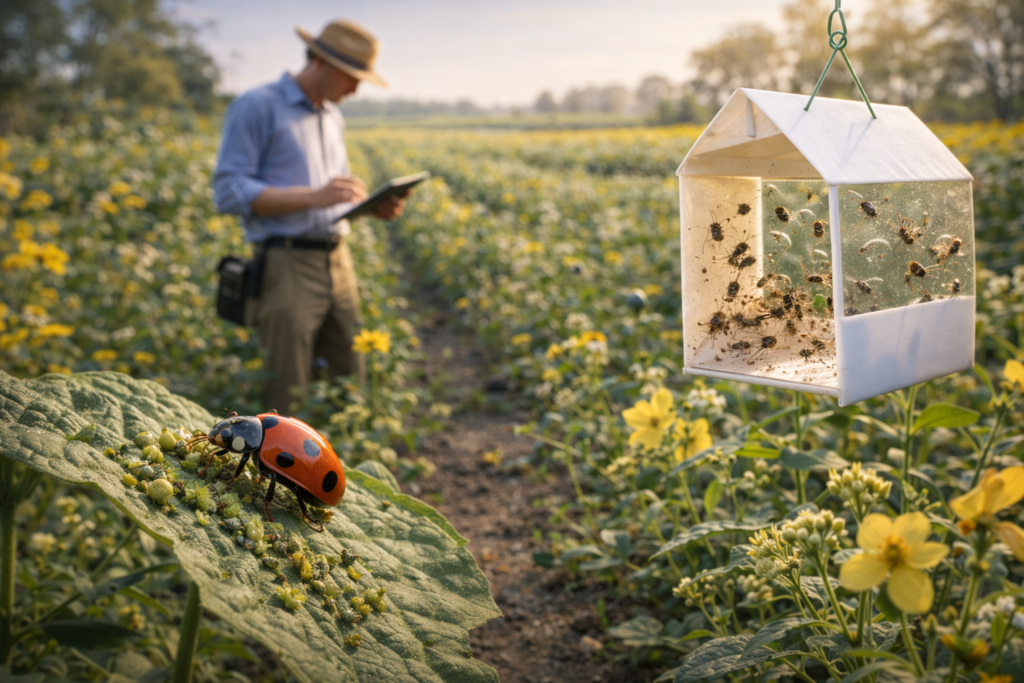
    Modern agriculture has shifted from “reactive spraying” to “predictive monitoring” by decoding the cues of insects behavior before an infestation occurs. In 2026, farmers use “smart traps” that mimic the pheromones of a female moth or the specific light frequencies that attract a hungry beetle. By understanding these forager instincts, we can pinpoint the exact moment a pest population begins to rise, allowing for highly targeted interventions that save millions in potential crop loss while minimizing environmental impact.

    Beneficial Predators: Harnessing Hunting Instincts for Natural Protection

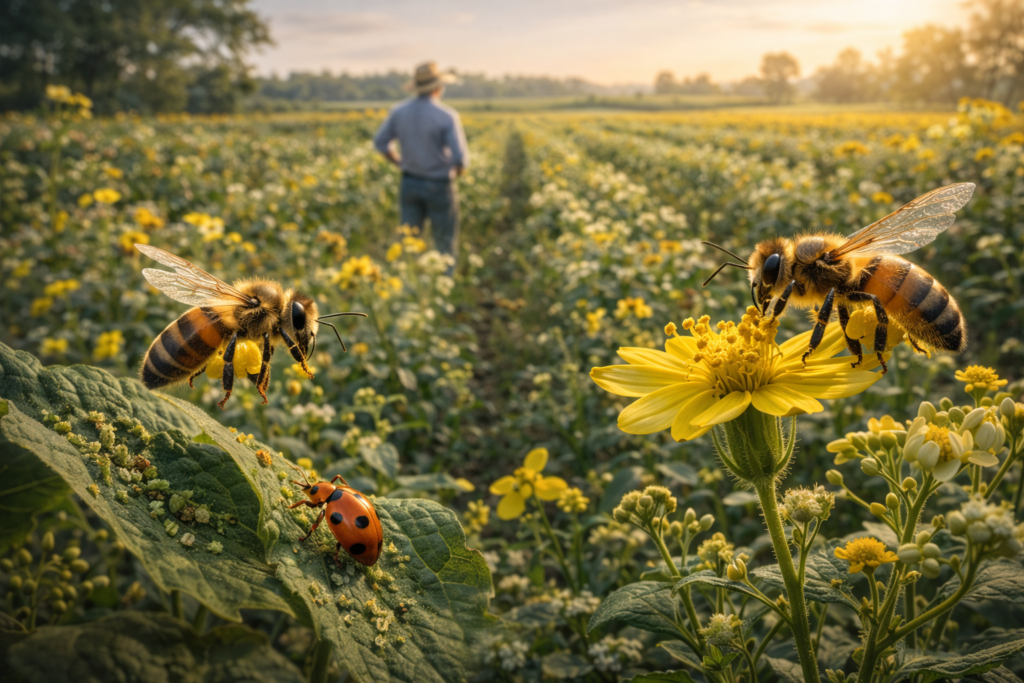
    The predatory side of insects behavior offers a “natural security force” for our fields through the use of biological control agents like ladybugs and lacewings. Instead of using pesticides, growers now release these beneficial insects to exploit their natural hunting instincts against aphids and mites. Because these predators have evolved highly specialized searching patterns and venomous or mechanical killing techniques, they can maintain a “zero-pest” environment far more effectively—and cheaply—than synthetic alternatives.

    The Economic Engine
    The Economic Engine

    The Scientific Study of Life: From Neural Pathways to Global Ecosystems

    In the scientific study of life, moving from the microscopic firing of a single neuron to the massive movement of a global migration reveals the true scale of insects behavior. This field has evolved in 2026 to bridge the gap between biology and technology, showing that these organisms are not just programmed automatons but sophisticated processors of information. By analyzing how a brain the size of a pinhead can navigate across continents or manage a colony of millions, we are unlocking secrets that redefine our understanding of intelligence itself.

    Cognitive Frontiers: Learning, Memory, and Decision Making

    Recent breakthroughs in insect behavior have shattered the myth that invertebrates lack complex thought, proving instead that they possess remarkable cognitive flexibility. Honeybees, for example, have demonstrated the ability to understand the concept of “zero” and can be trained to solve basic string-pulling tasks to reach a reward. This capacity for learning and memory allows individual insects to evaluate risks, such as predator presence, against potential rewards like high-quality nectar, making real-time decisions that ensure their personal and genetic survival.

    Swarm Intelligence: Using Social Behavior to Revolutionize Modern Robotics

    Engineers are increasingly looking toward the collective insect behavior of ants and termites to solve the world’s most difficult logistical problems through “swarm robotics.” By mimicking the decentralized way a colony functions—where no single leader gives orders, but every individual follows simple local rules—we are developing autonomous drone fleets for search-and-rescue and environmental monitoring. These robots communicate through digital “pheromones,” allowing a thousand small machines to work together as a single, highly efficient unit to map disaster zones or plant forests.

    Environmental Triggers: How Climate Change Alters Behavioral Patterns

    The importance of monitoring insect behavior has reached a critical point in 2026 as shifting global temperatures alter the “biological clocks” of many species. We are seeing “phenological mismatches,” where insects emerge from hibernation before their host plants have flowered, or migratory species like the Monarch butterfly changing their flight paths due to erratic wind currents. Understanding these behavioral shifts is essential for predicting which ecosystems are at risk of collapse and how we must adapt our conservation strategies to protect the pollinators that sustain us.

    Applied Solutions: Using Insect Behavior for Total Pest Management

    In the scientific study of life, shifting our focus from simple elimination to a deep understanding of insects behavior represents the most significant advancement in modern pest control. This evolution allows us to outsmart pests by targeting their biological “triggers” rather than relying solely on broad-spectrum chemicals. By decoding the specific ways a forager communicates, navigates, and reproduces, we can implement high-precision strategies that manage the insect environment with intelligence and environmental responsibility.

    Pheromone Technology: Disrupting Communication for Sustainable Control

    The use of pheromone technology is a prime example of how manipulating insect behavior can lead to total pest management without toxic residues. By deploying synthetic “mating disruptors” into an area, we can flood the air with female scent signals, making it impossible for males to locate a mate and thus preventing the next generation from ever forming. This targeted approach is highly effective for protecting large-scale orchards and vineyards, as it specifically neutralizes the target pest while leaving beneficial pollinators and natural predators completely unharmed.

    The IPM Revolution: Behavior-Based Strategies Over Chemical Force

    The move toward Integrated Pest Management (IPM) marks a revolutionary shift where we prioritize the modification of insects behavior through environmental “hardening” and exclusion techniques. Instead of waiting for an infestation to occur, we use our knowledge of a pest’s preference for specific light frequencies or moisture levels to create inhospitable zones. By removing the behavioral rewards that attract a colony—such as accessible food waste or standing water—we can force a population to relocate or collapse naturally, achieving a 100% pest-free environment through biological strategy rather than chemical force.

     Using Insect Behavior for Total Pest Management
    Using Insect Behavior for Total Pest Management

    The Medical and Industrial Scope: Secrets Hidden in Secretions and Skills

    In the scientific study of life, the scope of insect behavior extends far beyond the fields and into the laboratories of our most advanced medical and industrial centers. These organisms have spent hundreds of millions of years perfecting chemical compounds and structural techniques that we are only now beginning to decode. By studying how an insect produces silk, processes venom, or builds a climate-controlled home, we are finding the blueprints for the next generation of human technology and medicine.

    Pharmaceutical Potential: Venom, Silk, and Defensive Chemistry

    The defensive side of insects behavior has gifted modern medicine with a massive library of bioactive compounds that are currently being trialed for life-saving treatments. Research in 2026 has shown that the antimicrobial peptides found in certain beetle secretions are effective against drug-resistant “superbugs,” while the venom of wasps is being adapted into targeted therapies that can kill cancer cells without harming healthy tissue. Even the production of spider silk—a behavioral feat of protein engineering—is being used to create biocompatible sutures and synthetic tendons that are stronger than steel yet flexible enough for the human body.

    Bio-Mimicry: Engineering the Future Based on Six-Legged Design

    Industrial innovation is increasingly being driven by bio-mimicry, where we copy the physical and navigational insect behavior to solve human engineering challenges. Architects are studying the self-cooling ventilation systems of African termite mounds to design skyscrapers that require zero air conditioning, drastically reducing global energy consumption. Meanwhile, the specialized “gripping” behavior of beetle feet has inspired a new class of industrial adhesives and climbing robots capable of inspecting bridges and wind turbines with a level of safety that was previously impossible.

    Conclusion: The Growing Importance of Behavioral Literacy in a Changing World

    In the scientific study of life, the transition into 2026 has proven that achieving behavioral literacy is no longer just an academic pursuit but a global necessity for environmental and economic survival, as mastering the nuances of insects behavior allows us to predict how shifting climates will impact food security and protect the delicate pollination networks that sustain billions. This literacy enables a shift from “blind extermination” to “informed co-existence,” where we use the insects’ own biological blueprints to solve critical challenges in medicine, carbon-neutral architecture, and sustainable pest management. By valuing these small wonders as sophisticated biological partners rather than mere pests, we unlock a library of evolutionary solutions that ensure a resilient and technologically advanced future for the generations to come.

    FAQs: Top Questions on the Scope and Value of Studying Insects

    Why is the scope of insect behavior suddenly so important for technology? Insects are the world’s most efficient “biological computers,” solving complex navigation and structural problems with minimal energy. By studying insects behavior, engineers are developing “swarm robotics” for search-and-rescue and high-precision sensors for autonomous vehicles that mimic the way a honeybee tracks movement or a moth detects chemical signals in the dark.

    How does studying these organisms help with global food security? The importance of insect behavior is most visible in our fields, where pollination and natural pest control are worth billions. By understanding the “floral fidelity” of bees, we can design landscapes that maximize crop yields; similarly, by studying the hunting patterns of predatory insects, we can reduce our reliance on synthetic pesticides, ensuring a safer and more sustainable food supply.

    Can the study of insects really lead to medical breakthroughs? Yes, the biochemical scope of insects behavior is a goldmine for the pharmaceutical industry. Many insects produce unique defensive chemicals, such as antimicrobial peptides or specialized venoms, which are currently being studied to create new antibiotics and targeted cancer treatments that are more effective than traditional laboratory-synthesized drugs.

    Does climate change affect how we study these behaviors? Climate change has made behavioral literacy a top priority, as shifting temperatures are causing “phenological mismatches” where insects emerge at the wrong time for their host plants. Monitoring insect behavior allows scientists to create early-warning systems for ecosystem collapse, helping us intervene before critical pollination networks or soil-building cycles are permanently broken.

    What is the “Economic Value” of an insect’s daily routine? When we calculate the “ecosystem services” provided by insect behavior, the value exceeds trillions of dollars globally. This includes free labor for pollination, the natural recycling of waste into fertile soil, and the suppression of agricultural pests, proving that protecting these small wonders is one of the most profitable investments we can make for the planet’s future.

  • A Master Guide to Insect Behavior

    A Master Guide to Insect Behavior

    The scientific study of life reveals that the success of the 10 quintillion insects on Earth is driven by highly specialized insect behavior patterns that allow them to dominate almost every environment. From the individual survival instincts of the “Tilchatta” to the complex social structures of honeybees, these actions are governed by a mix of innate genetic programming and learned adaptations. By understanding the “why” behind their movement—such as how a forager identifies a food source or detects a predator through air vibrations—we gain a deeper insight into the biological blueprint that has allowed these creatures to thrive for over 400 million years.

    Communication serves as the backbone of these interactions, utilizing a sophisticated array of chemical, visual, and acoustic signals to maintain order within the colony. This aspect of insects behavior relies heavily on pheromones—invisible chemical trails that coordinate everything from foraging paths to emergency defense alarms. In 2026, researchers are even uncovering how certain species use electroreception and changes in atmospheric pressure to predict weather patterns and locate mates. These signals ensure that a “superorganism,” like a termite mound or an ant hill, can make collective decisions that benefit the survival of the entire group rather than just the individual.

    Applying these insights to Integrated Pest Management (IPM) is the modern frontier of sustainable agriculture and home protection. By exploiting specific insects behavior—such as using pheromone traps to disrupt mating cycles or leveraging a predator’s “ambush” instincts—we can manage populations without relying solely on heavy chemical interventions. Understanding behavioral ecology allows us to “harden” our environments against invaders by removing the triggers that invite them in, transforming our approach from reactive extermination to proactive, bio-inspired harmony. This guide serves as your roadmap to mastering the complex, hidden world of these fascinating organisms.

    Communication serves as the backbone of these interactions, utilizing a sophisticated array of chemical, visual, and acoustic signals to maintain order within the colony. Insect communication behavior relies heavily on pheromones—invisible chemical trails that coordinate everything from foraging paths to emergency defense alarms. In 2026, researchers are even uncovering how certain species use electroreception and changes in atmospheric pressure to predict weather patterns and locate mates. These signals ensure that a “superorganism,” like a termite mound or an ant hill, can make collective decisions that benefit the survival of the entire group rather than just the individual.

    Applying these insights to Integrated Pest Management (IPM) is the modern frontier of sustainable agriculture and home protection. By exploiting specific behaviors—such as using pheromone traps to disrupt mating cycles or leveraging a predator’s “ambush” instincts—we can manage populations without relying solely on heavy chemical interventions. Understanding behavioral ecology allows us to “harden” our environments against invaders by removing the triggers that invite them in, transforming our approach from reactive extermination to proactive, bio-inspired harmony. This guide serves as your roadmap to mastering the complex, hidden world of these fascinating organisms.

    What is Insect Behavior? The Biological Blueprint of the “Tilchatta” and Beyond

    In the scientific study of life, defining insects behavior involves analyzing the complex responses these organisms have to internal and external stimuli. Whether it is a cockroach (often called the Tilchatta) scurrying away from a sudden light or an ant following a scent trail, every action is a calculated biological move designed for survival. These behaviors are the result of millions of years of evolution, fine-tuning how an organism interacts with its environment to ensure resource acquisition and successful reproduction.

    Innate vs. Learned: How Insects “Know” What to Do

    Most insect behavior is innate, meaning it is genetically hardwired from birth and performed perfectly without prior experience. For example, a silk moth does not need to be taught how to spin a complex cocoon; the instructions are written into its DNA. However, many species also exhibit “learned” behaviors through trial and error; honeybees, for instance, can remember the specific location and color of flowers that provide the highest nectar yield. This blend of instinct and memory allows them to adapt quickly to changing conditions in the local environment.

    The Scientific Study of Life: Why Behavioral Ecology Matters in 2026

    Studying insect behavior through the lens of behavioral ecology is critical for modern technology and environmental management. In 2026, researchers are using these biological patterns to develop “swarm intelligence” for robotics and more effective Integrated Pest Management (IPM) systems. By understanding why a specific pest is attracted to a certain type of light or moisture level, we can design smarter, non-chemical traps that exploit their natural instincts rather than relying on toxic sprays.

    Survival Adaptations: The “Fight or Flight” of the Insect World

    The “fight or flight” response is a cornerstone of insects behavior that dictates how a species handles immediate threats from predators. While some utilize “flight” through rapid movement or camouflage to blend into their surroundings, others choose “fight” by using chemical sprays, venomous stingers, or intimidating visual displays. Understanding these defensive maneuvers is essential for anyone looking to manage populations without triggering aggressive colonial responses, especially when dealing with social species like wasps or termites.

    What is Insect Behavior?
    What is Insect Behavior?

    Communication Beyond Words: How Insects Signal Each Other

    In the scientific study of life, communication is the primary force that allows a colony to function as a single unit, making it the most complex aspect of insects behavior to observe. Because these organisms lack vocal cords, they have developed a sophisticated “hidden language” based on chemistry, vibrations, and light. These signals allow them to coordinate massive efforts—such as moving a nest or defending against a predator—with a level of precision that rivals modern human technology.

    Chemical Mastery: Pheromones and the Invisible Trail

    Pheromones are the most vital tools in the repertoire of insects behavior, acting as invisible chemical messages that linger in the air or on the ground. When a scout ant finds a sugar source, it leaves a “recruitment trail” for its sisters to follow; conversely, if the colony is attacked, “alarm pheromones” trigger an immediate, aggressive response. These chemical signals are so specific that they can even distinguish between a friend from the same nest and a stranger from a rival colony.

    Visual and Acoustic Signals: The “Waggle Dance” and Stridulation

    While chemicals are dominant, many species rely on sight and sound to relay information as a key part of insect behavior. The most famous example of visual signaling is the honeybee’s “waggle dance,” a series of figured movements that tell other bees the exact direction and distance of a flower patch relative to the sun. Meanwhile, crickets and grasshoppers use stridulation—rubbing body parts together—to create acoustic songs that serve as long-distance beacons for attracting mates or establishing territory.

    New Frontiers: Atmospheric Pressure and Electroreception in Foraging

    Cutting-edge research in 2026 has revealed that insects behavior is even more sensitive to the environment than previously thought. Scientists have discovered that some foragers can detect minute changes in atmospheric pressure, allowing them to seek shelter hours before a storm hits. Furthermore, bees have been shown to use electroreception to sense the electric fields of flowers, helping them identify which blooms have already been drained of nectar by other visitors.

    How Insects Signal Each Other
    How Insects Signal Each Other

    The Feeding Game: Sophisticated Foraging and Predatory Tactics

    In the scientific study of life, the quest for energy drives the most diverse and specialized forms of insects behavior. Whether an insect is a passive grazer or a highly calculated hunter, its feeding strategy is a result of millions of years of evolutionary pressure. These tactics are designed to maximize nutrient intake while minimizing the risk of becoming a meal for something else.

    Herbivorous Strategies: Host Plant Selection and Defense Neutralization

    Herbivorous insects behavior is a constant arms race between the grazer and the plant. Many insects have evolved specialized sensors to detect specific chemical signatures of “host plants,” ensuring their offspring hatch on a viable food source. To counter plant defenses like toxic sap or sticky hairs, some species have developed the ability to neutralize or even sequester these toxins, using the plant’s own poison as a chemical defense against their own predators.

    Predatory Intelligence: Ambush, Trapping, and Venom Resistance

    The predatory side of insect behavior showcases incredible tactical intelligence, ranging from the patient “sit-and-wait” ambush of the praying mantis to the sophisticated architectural traps of the antlion. Some hunters, like the assassin bug, use chemical mimicry to “disguise” themselves as part of the colony they are hunting. Additionally, many predators have developed specific resistances to the venom of their prey, allowing them to take down insects that would be lethal to any other attacker.

    Scavenging Behavior: The Essential Role of Nature’s Decomposers

    Scavenging is a vital but often overlooked aspect of insect behavior that keeps ecosystems balanced. Decomposers, such as dung beetles and carrion flies, perform the essential task of recycling organic matter back into the soil. By breaking down waste and decaying material, these foragers prevent the spread of disease and ensure that nutrients are redistributed throughout the insect environment, proving that even the most “unpleasant” behaviors are foundational to the health of the planet.

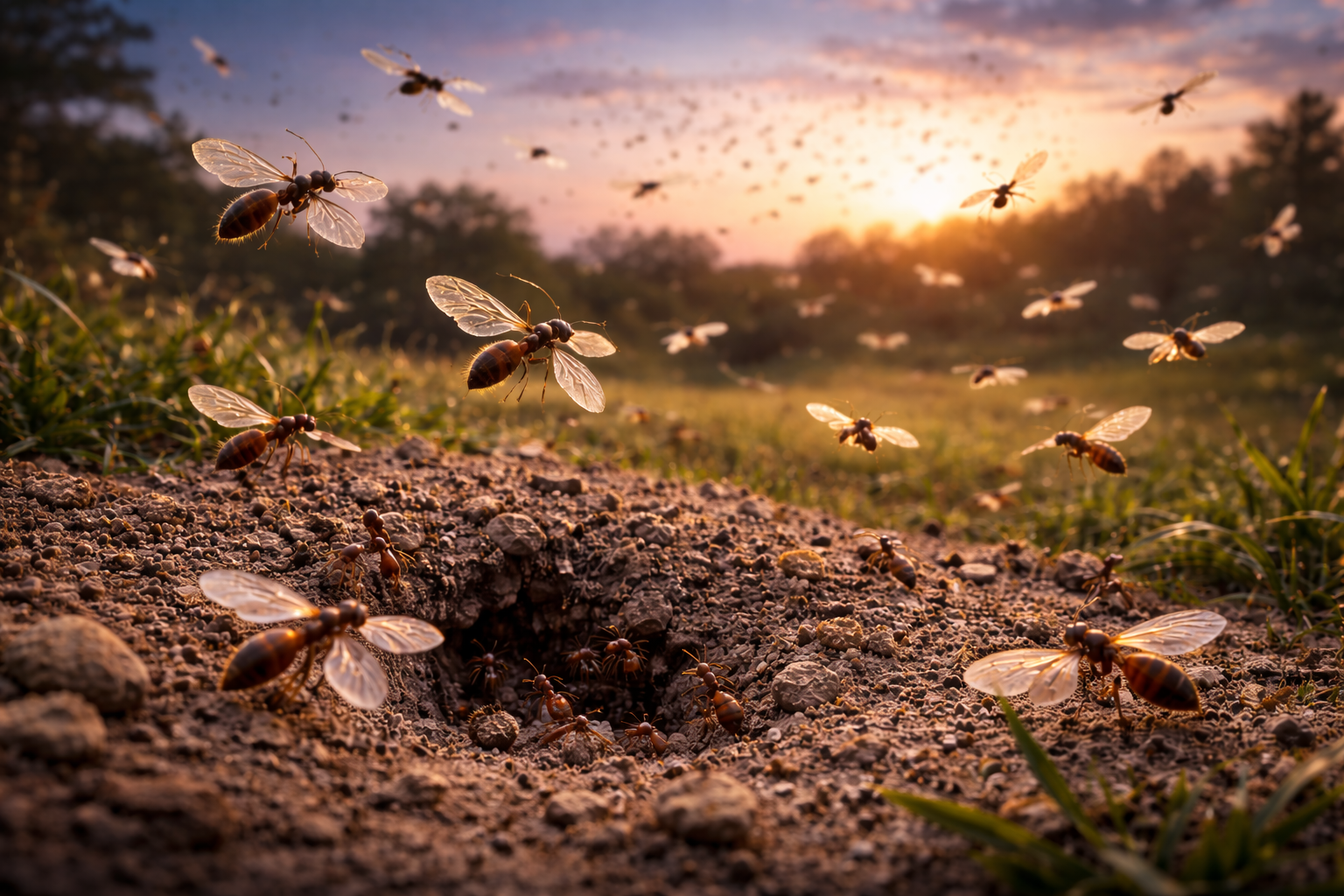
    Mating and Reproduction: The Complex Art of the Nuptial Flight

    In the scientific study of life, few events are as spectacular or high-stakes as the drive to create the next generation. This phase of insect behavior is characterized by extreme competition and elaborate displays designed to ensure genetic survival. From massive synchronized flights to intimate one-on-one rituals, the strategies used to locate and win a mate are among the most diverse in the animal kingdom, often involving high-energy maneuvers that test the physical limits of the species.

    Courtship Rituals: From Gift-Giving to Bio-Luminescent Displays

    Courtship is a highly specialized form of insect behavior that serves to identify a compatible mate and reduce the risk of predatory attack during the process. Some species, like the dance fly, engage in “gift-giving,” where the male presents a protein-rich silk-wrapped insect to the female to ensure her cooperation. Others utilize light and sound; fireflies use precise bio-luminescent “morse code” flashes to signal their location, while certain crickets produce complex acoustic songs. These rituals act as biological filters, ensuring that only the healthiest and most capable individuals successfully reproduce.

    Reproductive Systems: Understanding Oothecae and Parental Care

    Once mating is complete, the focus of insect behavior shifts to the survival of the offspring through various reproductive strategies. While many insects simply lay eggs and depart, others invest heavily in protection, such as the cockroach or mantis, which produces a leathery, protective ootheca to shield embryos from the elements and predators. In rare cases, such as with giant water bugs or certain earwigs, we observe advanced parental care, where the adults actively guard the eggs or carry them on their backs to ensure a high hatch rate in a dangerous environment.

    The Complex Art of the Nuptial Flight
    The Complex Art of the Nuptial Flight

    Social Structures: The “Superorganism” of Ants, Bees, and Termites

    In the scientific study of life, the most awe-inspiring display of insect behavior is found within eusocial societies. In these groups, individuals no longer act for themselves but function as integrated cells within a “superorganism.” This collective existence allows a colony of ants, bees, or termites to solve complex engineering and survival problems—such as climate-controlling a mound or harvesting vast amounts of food—that would be impossible for a solitary insect to achieve.

    Division of Labor: The Caste System and Task Allocation

    The backbone of social insect behavior is a highly organized “caste system” where roles are determined by age, size, or genetics. In a typical colony, the queen is responsible for reproduction, while the workers and soldiers handle everything from nursing larvae to defending the nest. This task allocation is incredibly fluid; for instance, a worker bee may start her life as a “nurse” inside the hive and transition into a “forager” as she matures. This specialization ensures that the colony’s energy is used with maximum efficiency, allowing the group to thrive even in harsh environments.

    Collective Intelligence: How Thousand-Strong Colonies Make One Decision

    Perhaps the most mysterious aspect of insect behavior is “swarm intelligence,” the process by which thousands of individuals make a single, unified decision without a central leader. Whether it is a swarm of bees choosing a new nesting site or ants finding the shortest path to a sugar source, the decision emerges from local interactions and feedback loops. By using simple rules—like following the strongest pheromone trail—the colony exhibits a form of collective wisdom that allows them to navigate and dominate the insect environment with startling accuracy.

    Defense and Survival: The Master Mimics and Chemical Warriors

    In the scientific study of life, the “arms race” between predator and prey has resulted in some of the most ingenious examples of insect behavior. Survival is never guaranteed, so species have evolved high-stakes tactics that range from complete invisibility to aggressive chemical warfare. These methods are not just about individual safety; they are a sophisticated biological investment in ensuring the species can survive long enough to reproduce in a hostile insect environment.

    Camouflage and Aposematism: The Visual Art of Staying Alive

    Visual insect behavior is often a choice between blending in or standing out. Many species utilize crypsis (camouflage) to become virtually invisible to predators, such as stick insects that mimic twigs or katydids that look like rotting leaves. On the opposite end of the spectrum is aposematism, where insects use bright “warning colors”—like the vibrant oranges of the monarch butterfly—to signal that they are toxic or unpalatable. This visual honesty saves the insect’s life by teaching predators to associate specific patterns with a painful or poisonous experience.

    Colony Defense: Warning Scents and “Doomed Ant” Signals

    For social species, defensive insect behavior is a coordinated effort that often requires individual sacrifice. When a nest is disturbed, workers release “alarm pheromones” that act as a chemical siren, instantly recruiting soldiers to the site of the breach. Some species have even evolved extreme altruism, such as certain ants that engage in autothysis—exploding their own bodies to coat an attacker in a sticky, toxic glue. These “doomed” individuals prioritize the survival of the queen and the collective over their own lives, ensuring the colony’s fortification remains intact.

    Conclusion: Why Understanding Behavior is the Future of Pest Management

    In the scientific study of life, shifting our focus from simple elimination to a deep understanding of insect behavior represents the most significant advancement in modern pest control, as it allows us to outsmart pests by targeting their biological “triggers” rather than relying solely on broad-spectrum chemicals. By decoding the specific ways a forager communicates, navigates, and reproduces, we can implement high-precision Integrated Pest Management (IPM) strategies that disrupt colonies at their source, utilizing pheromone disruption or environmental modification to make our homes inhospitable to invaders. As we move through 2026, this behavior-driven approach not only ensures more effective and sustainable protection but also fosters a science-based harmony that manages the insect environment with intelligence and environmental responsibility.

    FAQs: Common Questions on Insect Intelligence and Behavior

    • Do insects actually have intelligence or are they just tiny robots? While they don’t have human-like reasoning, insect behavior demonstrates a high level of “distributed intelligence.” For example, bees can solve complex mathematical problems like the “Traveling Salesman Problem” to find the shortest route between flowers, and ants use collective memory to navigate. They aren’t robots; they are biological computers programmed for extreme efficiency and environmental adaptation.
    • Can insects learn and remember things? Absolutely. Research into insect behavior shows that many species, particularly pollinators like bees and wasps, have incredible spatial memory. They can remember landmarks, colors, and even time of day to return to a food source. Some studies have even shown that certain insects can be trained to associate a specific scent with a reward, much like Pavlov’s dogs.
    • Do insects feel pain or emotions like we do? This is a hot topic in the scientific study of life. While insects have a nervous system and can detect harmful stimuli (nociception) to move away from danger, scientists generally believe they do not “process” pain emotionally like mammals. Their responses are primarily survival-based insect behavior, allowing them to continue functioning even when injured to ensure the survival of their genetics or colony.
    • Why do some insects seem to “play dead” when touched? This is a defensive strategy known as thanatosis. It is a calculated piece of insect behavior designed to trick predators that only eat live prey. By becoming completely still, the insect removes the visual trigger of “movement” that many hunters rely on, often causing the predator to lose interest and move on.
    • How do insects navigate so perfectly in the dark? Many nocturnal species use a mix of “celestial navigation” (using the moon or stars) and polarized light detection. Additionally, their antennae serve as high-tech sensors in the insect environment, detecting pheromone molecules and air currents that act as a map, allowing them to “see” their way through a room or forest without any light at all.
  • Cockroach: The Ultimate Guide to Identification, Biology, and Total Control

    Cockroach: The Ultimate Guide to Identification, Biology, and Total Control

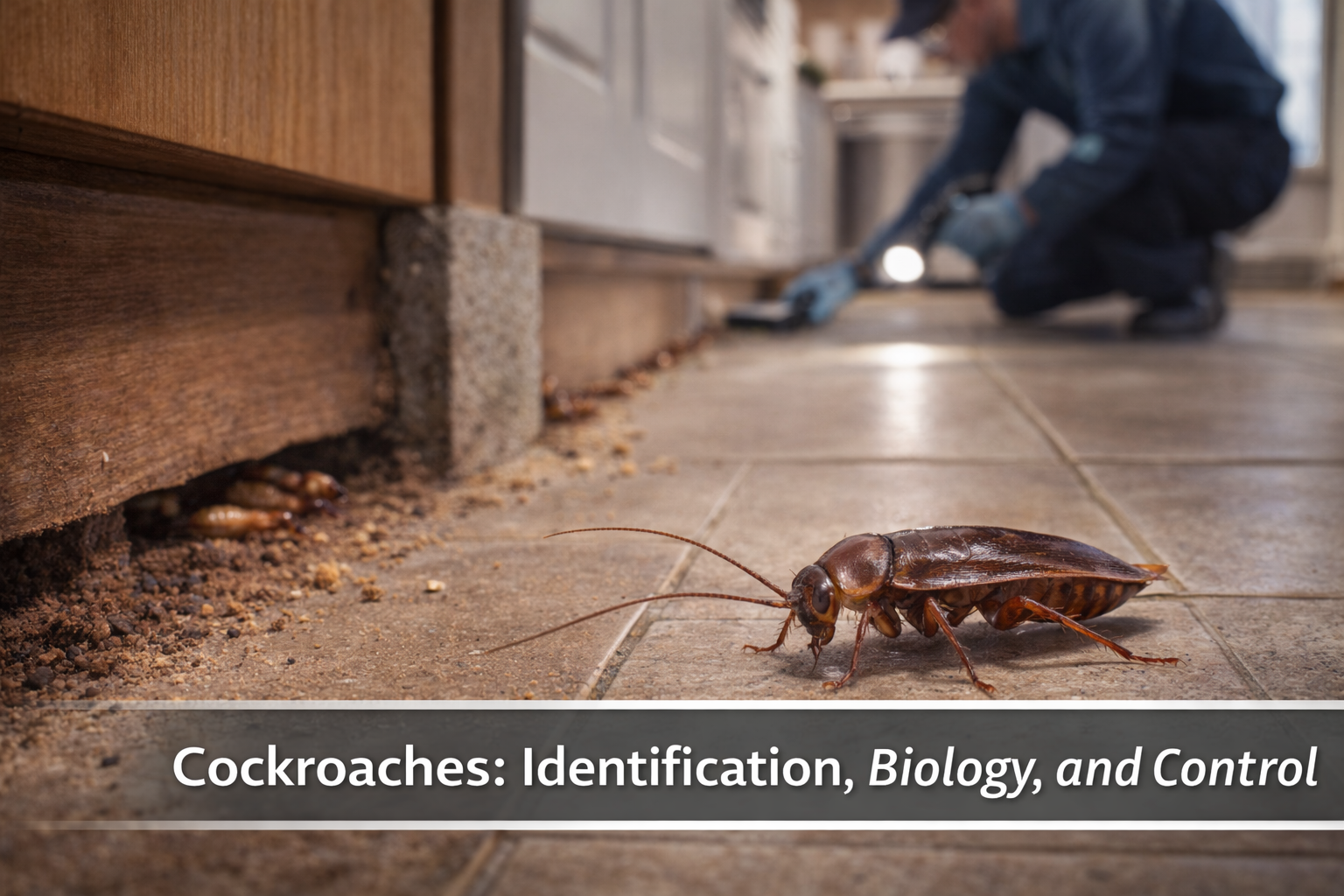
    Cockroaches are among the most resilient invaders in the scientific study of life, having survived for millions of years by adapting to almost any insect environment. Known in many cultures as the “Tilchatta,” these pests are defined by their flattened, oval bodies, long filiform antennae, and a shield-like pronotum that conceals their heads. Their biological success stems from an omnivorous diet and a rapid reproductive cycle where females produce protective egg cases called oothecae. Because they are primarily nocturnal and photophobic, they often remain hidden in dark, moist “hot zones” like wall voids and under appliances, making early identification through fecal smears or musty odors essential for preventing a full-scale infestation.

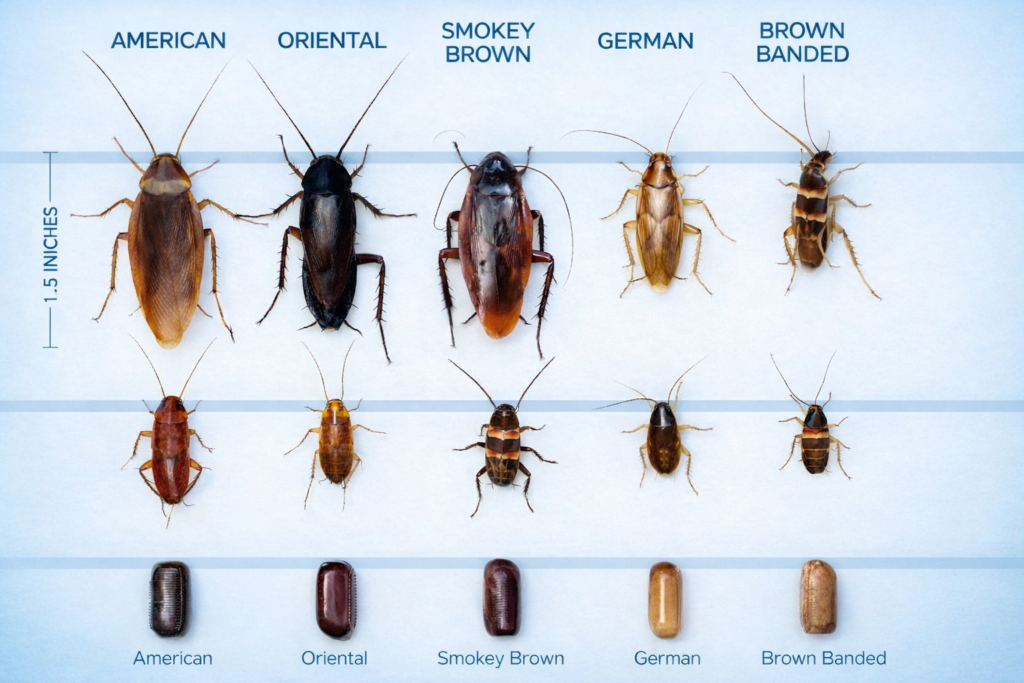
    Effective management requires distinguishing between major species, as each has unique environmental preferences that dictate the necessary control strategy. The German cockroach is the most prolific indoor breeder, favoring the warmth and humidity of kitchens, whereas the American cockroach is a larger, winged variety often found in sewers or basements. In contrast, the Oriental cockroaches (or “water bug”) thrives in cool, damp drains, while the Brown-Banded cockroach prefers dry, elevated areas like picture frames and electronics. Understanding these habitats allows for a targeted Integrated Pest Management (IPM) approach, focusing on the specific biological triggers that draw each species into your home.

    To achieve total control, you must disrupt the life cycle of the colony using a combination of sanitation, exclusion, and targeted treatments. Integrated Pest Management (IPM) emphasizes removing the three essentials—food, water, and harborage—by sealing cracks with caulk and eliminating standing moisture in drains. Chemical interventions often utilize gel baits and Insect Growth Regulators (IGRs), which break the reproductive cycle by preventing nymphs from molting into fertile adults. By hardening your home’s structure and maintaining rigorous cleaning habits, you can transform your living space into a pest-free sanctuary that is inhospitable to these hardy foragers.

    What is a Cockroach? Understanding the Resilience of the “Tilchatta”

    The scientific study of life reveals that few creatures can match the sheer endurance of the cockroach. Known in South Asia as the “Tilchatta,” these ancient survivors have roamed the Earth for over 300 million years, predating the dinosaurs. Their success is no accident; it is the result of a biological blueprint designed for extreme resilience, allowing them to thrive in almost any insect environment, from the dampest sewer to the driest kitchen cabinet.

    The Anatomy of an Invader: What Does a Cockroach Look Like?

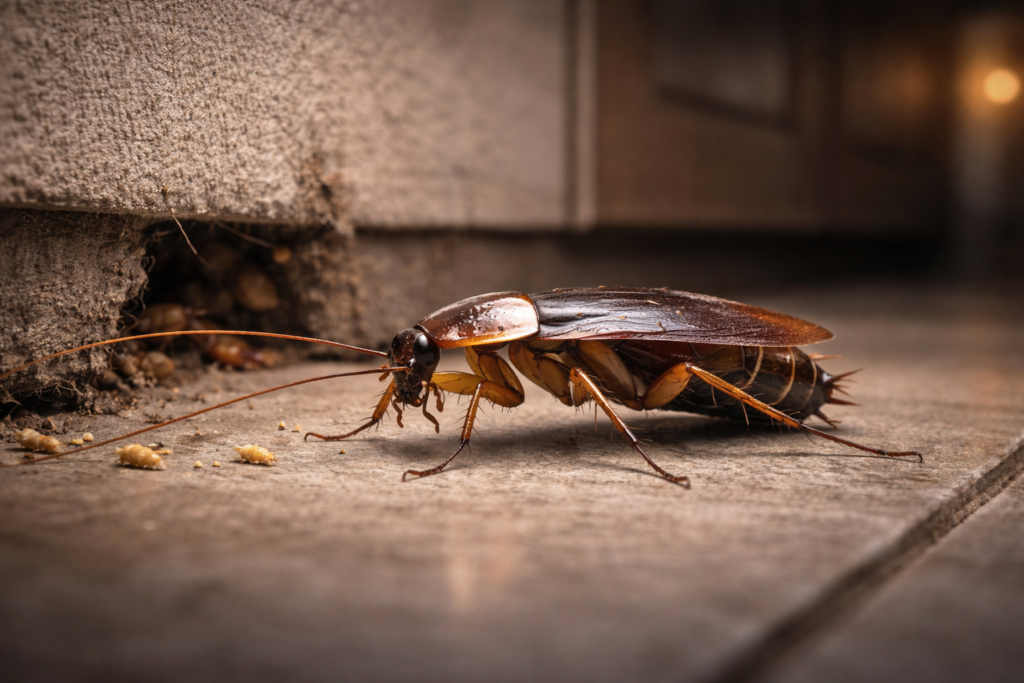
    Under a microscope, a cockroach appears as a marvel of evolutionary engineering. Their bodies are divided into three distinct segments: the head, thorax, and abdomen, all protected by a leathery, wax-coated exoskeleton that prevents water loss. A key feature is the pronotum, a shield-like plate that covers the head, making them look headless from above. They possess long, thread-like antennae that serve as high-sensitivity sensors for smell and touch, and at the rear of their abdomen, they have cerci—sensory appendages that detect the slightest vibrations or air currents, acting as a biological early-warning system against predators.

    The Cockroaches Family Tree: Evolution and Global Diversity

    The lineage of the cockroaches is vast, with over 4,500 species identified worldwide. While most people only encounter the few species that become household pests, the majority of the family tree consists of beneficial forest-dwellers that act as essential decomposers. In the scientific study of life, research suggests that common pests like the German species evolved from wild ancestors in Asia over 2,100 years ago, eventually spreading globally via human trade routes. This global diversity is a testament to their ability to adapt to varying climates, though they remain most successful in warm, humid environments where they can breed continuously.

    Survival Secrets: Why These Pests Are Hard to Kill

    A cockroach is famously difficult to eliminate due to a “toolkit” of extreme survival traits. They can survive for up to a week without a head because they breathe through small holes in their body called spiracles and have a decentralized nervous system. Furthermore, their flexible exoskeleton allows them to withstand compression forces up to 900 times their body weight, making them nearly “un-squishable.” Perhaps most impressive is their ability to thrive on a diet of almost anything—from glue and cardboard to soap—and their rapid development of resistance to common chemical sprays, which makes a professional Integrated Pest Management (IPM) approach necessary for total control.

    What is a Cockroach?
    What is a Cockroach?

    Identifying Your Enemy: The 4 Major Types of Cockroaches

    In the scientific study of life, identifying the specific species in your home is the first step toward effective management. Each of these foragers has unique biological requirements, meaning a strategy that works for one may fail for another.

    The German Cockroaches: The King of Kitchen Infestations

    The most common species found worldwide is the German cockroach. These small, tan insects are easily identified by two dark, parallel stripes running down their pronotum (the shield behind the head). They are prolific breeders, with a single female capable of sparking an infestation of thousands in just a few months. Because they have a high demand for moisture and warmth, they are almost exclusively found in kitchens and bathrooms, hiding in the narrowest cracks near sinks, dishwashers, and ovens.

    The American Cockroach: Large, Winged, and Stealthy

    Often called a “water bug” or “palmetto bug,” the American cockroach is the largest of the common house-infesting species, growing up to two inches in length. They are reddish-brown with a yellowish figure-eight pattern on the back of their heads. While they prefer damp, outdoor environments like mulch beds and sewers, they frequently migrate indoors via plumbing lines or drains. Unlike their smaller cousins, both males and females have fully developed wings and are capable of short, gliding flights when temperatures are high.

    The Oriental Cockroach: The “Water Bug” of Damps and Drains

    The Oriental cockroach is a dark, glossy species that is often nearly black in color. They are stocky and slower-moving than other varieties, preferring the cool, damp “insect environment” of crawlspaces, basements, and floor drains. Because they are so dependent on water, they are rarely found in the upper levels of a home unless there is a significant plumbing leak. They are notorious for producing a strong, musty odor that can permeate a room as the colony grows.

    The Brown-Banded Cockroach: The Small Specialist of Dry Areas

    The Brown-Banded cockroach is often confused with the German variety due to its small size, but it lacks the dark stripes and instead features two light-colored bands across its wings and abdomen. This species is unique because it prefers dry, warm locations and does not require the same constant moisture as others. You are likely to find them in “high” spots—behind picture frames on walls, inside electronics like clocks or TVs, and in the upper corners of closets or bedrooms.

    Major Types of Cockroaches
    Major Types of Cockroaches

    The Red Flags: How to Spot an Infestation Early

    In the scientific study of life, identifying a cockroach problem early is the only way to stop a small group of foragers from turning into a massive infestation. Because these insects are masters of concealment, you must look for the “calling cards” they leave behind in the dark.

    Beyond the Sighting: Identifying Droppings and Smears

    One of the most reliable signs of a cockroach presence is their waste. Small species, like the German variety, leave behind droppings that resemble ground black pepper or coffee grounds, often clustered in the corners of drawers or on top of kitchen cabinets. Larger species, such as the American or Oriental cockroach, produce solid, cylindrical droppings with ridges along the sides, which can be mistaken for mouse pellets but lack the pointed ends. In areas with high moisture, you may also find dark, irregular smear marks along baseboards and wall-floor junctions where their bodies have dragged through water and oils.

    The Egg Case (Ootheca): Spotting the Next Generation

    A single female cockroach doesn’t lay individual eggs; instead, she produces a protective, capsule-like case called an ootheca. These leathery, purse-shaped cases vary by species: a German cockroach carries a tiny, tan, ridged case until it’s ready to hatch, while an American species will glue its dark reddish-brown case in a hidden spot near a food source. Finding these empty or full cases in your pantry, behind appliances, or in the folds of cardboard boxes is a major red flag that the colony is actively reproducing and growing within your home.

    Nocturnal Activity: Finding “Hot Zones” in Your Home

    Because a cockroach is naturally photophobic, they are most active 2 to 4 hours after the lights go out. To find their “hot zones,” you should inspect areas that provide warmth, moisture, and darkness. Common hiding spots include the compression motors behind refrigerators, the underside of sinks where condensation forms, and the warm internals of electronics like microwaves or internet routers. If you see a cockroach scurrying across the floor during the day, it is often a sign of a severe overpopulation, as the strongest foragers have pushed the weaker ones out of the primary hiding spots into the light.

    Why Do I Have Cockroaches? The Biological Triggers

    In the scientific study of life, we find that these pests do not enter a home by chance; they are highly evolved sensors for survival. An infestation is almost always triggered by the presence of three biological essentials: food, water, and harborage. While a clean home is a great deterrent, even a microscopic amount of grease behind a stove or a slow drip under a sink can sustain a small colony for weeks. These foragers are opportunistic, meaning they are constantly scanning the insect environment for any lapse in sanitation or structural integrity that allows them to gain a foothold.

    The Three Essentials: Food, Water, and Harborage

    The primary driver for any cockroach is the search for “fuel.” They are omnivorous scavengers that can find nutrition in hair, glue, and even cardboard if traditional food sources are unavailable. However, water is often their most urgent need; certain species are so dependent on moisture that they rarely stray far from damp pipes or floor drains. Once they find a reliable source of both, they seek “harborage”—tight, dark spaces where their bodies can touch both the top and bottom of a surface (a trait called thigmotaxis), which provides them with a biological sense of security.

    Entry Points: How Small Roaches Squeeze Into Your Sanctuary

    Because of their flattened bodies and flexible exoskeletons, a small forager can squeeze through a gap as thin as a credit card. Common entry points include the gaps around utility pipes, space under exterior doors, and even the “bridge” created by tree branches touching a roof. In many urban environments, they are also “hitched” into the home inside grocery bags, cardboard shipping boxes, or used appliances. Once a single fertile female or an egg case enters through these structural weak points, the local insect environment provides everything needed for a population explosion.

    How to Get Rid of Cockroaches: Proven Elimination Strategies

    To achieve total elimination of a cockroaches colony, you must move beyond temporary surface sprays. Effective management relies on understanding their communal habits and utilizing products that exploit their natural social interactions to ensure the entire population—including the queen and nymphs—is neutralized.

    Baiting Logic: Using Social Biology for Total Kill

    Gel baits are the gold standard for managing a persistent infestation. Unlike contact sprays, baits are designed to be slow-acting, allowing the forager to consume the toxin and return to its hiding spot. Because these insects are necrophagous (they eat their dead) and coprophagous (they eat feces), the bait is passed through the entire group in a “domino effect.” This secondary kill ensures that even the most reclusive members of the cockroach nest, who never leave the wall voids, are effectively reached and eliminated.

    Growth Regulators (IGRs): Breaking the Reproductive Cycle

    One of the most powerful tools in the scientific study of life and pest management is the Insect Growth Regulator (IGR). These compounds act like “birth control” for the colony. Instead of killing the insect instantly, IGRs mimic juvenile hormones, preventing nymphs from molting properly into fertile adults. You can often tell an IGR is working when you see adults with twisted or crinkled wings; these individuals are sterile and cannot reproduce, effectively putting an expiration date on the entire cockroaches population.

    Non-Chemical Controls: Trapping and Vacuuming Techniques

    For immediate reduction in numbers, mechanical removal is a highly effective, non-toxic strategy. Using a vacuum cleaner equipped with a HEPA filter allows you to physically remove large clusters of adults, nymphs, and egg cases from “hot zones” behind appliances. Additionally, placing sticky traps (monitors) in dark corners serves two purposes: it reduces the active population and helps you identify which specific areas of the insect environment require the most intensive treatment.

    Proven Elimination Strategies
    Proven Elimination Strategies

    Controlling Cockroaches for Good: Long-Term Prevention (IPM)

    Achieving a pest-free sanctuary requires moving beyond temporary fixes and embracing Integrated Pest Management (IPM). This “prevention-first” strategy focuses on hardening your home against the cockroach by altering the biological conditions that allow a colony to survive. By systematically removing the essentials—food, water, and shelter—you can ensure long-term control of any forager that attempts to enter your living space.

    Sanitation Secrets: Eliminating Micro-Food Sources

    In the scientific study of life, it is understood that even a microscopic film of grease can sustain a small group of foragers for weeks. To break the cycle, you must look beyond surface cleaning and focus on “hidden” food sources. This includes deep-cleaning the space behind the stove, wiping down the interior of toaster trays, and ensuring pet food is never left out overnight in open bowls. Storing all dry goods in airtight glass or plastic containers prevents the cockroach from detecting the chemical signals of a potential meal.

    Moisture Management: Drying Out the Drains and Pipes

    Water is often the most critical resource for the survival of a cockroach colony. Many species, particularly the Oriental variety, are highly sensitive to dehydration and will abandon a site if it becomes too dry. To manage this, fix any leaky faucets immediately and ensure that under-sink cabinets remain bone-dry. Using a mesh drain cover can prevent foragers from migrating through the plumbing, while insulating “sweating” cold-water pipes removes the condensation that serves as a vital watering hole in the insect environment.

    Structural Exclusion: Sealing the Cracks and Crevices

    Exclusion is the process of physically “locking” the forager out of your home. Because their flexible exoskeletons allow them to squeeze through gaps as thin as 1/16th of an inch, precision is key. Use high-quality silicone caulk to seal the spaces where baseboards meet the floor and where cabinets meet the wall. Pay special attention to “utility penetrations”—the holes where electrical wires and plumbing pipes enter the walls—as these are the primary superhighways used by the cockroach to move between rooms.

    Conclusion: Maintaining a Healthy, Roach-Free Environment

    Maintaining a healthy, roach-free environment requires a proactive commitment to Integrated Pest Management (IPM) that moves beyond temporary fixes to address the biological triggers of an infestation. In the scientific study of life, it is well-documented that these foragers are not only structural nuisances but also significant sources of allergens and pathogens within the insect environment. By consistently eliminating access to food, managing moisture in high-risk “hot zones,” and physically hardening your home through structural exclusion, you disrupt the colony’s ability to survive and reproduce. Ultimately, this “prevention-first” approach transforms your living space into a sustainable, pest-free sanctuary, ensuring your home remains a healthy and secure investment for your family.

    FAQs: Top Questions About Cockroach Safety and Management

    Are the pesticides used against cockroaches safe for my family and pets? Modern treatments like gel baits and Insect Growth Regulators (IGRs) are highly targeted and generally considered safer than traditional broadcast sprays. When applied correctly into cracks and crevices, they minimize the risk of accidental contact. For those seeking even lower-impact options in the insect environment, botanical insecticides derived from oils like rosemary or peppermint offer effective alternatives with less synthetic residue.

    Is it true that a cockroach can live for a week without its head? Yes, this is a biological fact. Because they have a decentralized nervous system and breathe through small holes called spiracles along their body segments, they do not need a head to respire. They eventually die only because they lack a mouth to drink water, proving just how resilient the cockroach family is compared to other household pests.

    Why do I see more foragers after I start using bait? This is actually a sign that your management strategy is working. Most baits contain attractants that lure the insects out of their hidden “hot zones.” While it may seem like the population is increasing, you are simply seeing the hidden members of the colony emerging to feed on the bait, which they will then carry back to neutralize the rest of the nest through social interaction.

    Can these pests cause asthma or other health issues? In the scientific study of life, researchers have confirmed that the proteins found in the saliva, droppings, and shed skins of a cockroach are potent allergens. Inhaling these airborne particles can trigger severe asthma attacks, especially in children. Maintaining a clean, dry home is not just about aesthetics; it is a vital health measure to reduce these biological triggers.

    How quickly can a single forager start a full infestation? A single female German cockroach can be the starting point for a massive problem. She carries an egg case (ootheca) containing up to 40 eggs and can produce several of these in her lifetime. Under ideal conditions with plenty of food and water, one fertile female can lead to a population of thousands within a single year, which is why immediate action is necessary.

  • Termites: The Silent Destroyers—A Complete Guide to Identification and Control

    Termites: The Silent Destroyers—A Complete Guide to Identification and Control

    Termites are often called “silent destroyers” because they consume cellulose-based materials, primarily wood, from the inside out, often remaining undetected until significant structural damage has occurred. These social insects live in vast colonies with a rigid caste system consisting of a queen, workers, soldiers, and reproductive “swarmers.” While they play a vital ecological role by decomposing dead trees in the insect environment, they become a major threat when they transition into residential structures. Identification often relies on spotting subtle red flags like pencil-sized mud tubes on foundations, discarded wings near windowsills after a swarm, or wood that sounds hollow when tapped with a screwdriver.

    There are three primary types of termites that homeowners must distinguish between: subterranean, drywood, and dampwood. Subterranean termites are the most common and destructive, requiring contact with soil and moisture to survive, which they achieve by building protective earthen tunnels. Drywood termites, conversely, establish colonies entirely within sound, dry lumber and are identified by the presence of “frass”—tiny, sand-like fecal pellets they kick out of their galleries. Dampwood termites are less frequent in homes but thrive in wood with high moisture content, such as that damaged by leaks or in contact with damp earth, making moisture management a critical first step in the scientific study of life and pest prevention.

    Effective control and prevention utilize Integrated Pest Management (IPM) to create a multi-layered defense. Prevention strategies include eliminating wood-to-ground contact, fixing plumbing leaks, and maintaining a clear perimeter around the foundation. For active infestations, professional treatments typically involve liquid soil barriers to block subterranean entry or baiting systems that utilize the colony’s foraging behavior to distribute slow-acting termiticides back to the queen. By combining these biological insights with regular structural inspections, you can safeguard your property from the long-term, costly impact of these elusive pests.

    What Are Termites? Understanding the Biological Threat to Your Home

    Mastering the scientific study of life within your own home begins with identifying the unique biology of termite. Unlike many other wood-boring insects, these creatures are social organisms that operate as a “superorganism,” where a single colony can contain hundreds of thousands of individuals working in total unison. While they are often mistaken for ants, they are actually more closely related to cockroaches, possessing a distinct anatomical structure that allows them to digest cellulose—the primary component of wood.

    The “Silent Destroyer”: Why Termite Damage Often Goes Unnoticed

    The most dangerous aspect of termites is their ability to remain hidden for years while eating through the structural heart of a building. Because they are photophobic—meaning they avoid light—they rarely crawl on open surfaces, instead hollowing out floorboards, support beams, and wall studs from the inside. By the time a homeowner notices a sagging floor or a bubbling patch of paint, the colony has often been active for a long duration, causing thousands of dollars in hidden structural degradation.

    Termite vs. Ant: How to Tell the Difference Under the Microscope

    Confusing a winged termite with a flying ant is a common mistake that can lead to a delayed response. When examining a specimen under a microscope, look for three key differences: termite have straight, “beady” antennae rather than elbowed ones, a broad waist instead of a pinched “wasp-waist,” and two pairs of wings that are equal in length. Ants, by contrast, have a very thin petiole (waist) and hind wings that are significantly smaller than their front wings.

    The Caste System: Workers, Soldiers, and the Swarmers (Alates)

    A colony of termite is divided into specialized roles that ensure the survival of the queen. The pale, soft-bodied workers are responsible for the actual destruction, as they forage for food and maintain the nest. Soldiers, equipped with large mandibles, defend the colony against predators like ants. Finally, the “swarmers” or alates are the winged reproductives that emerge in the spring to mate and start new colonies, serving as the most visible sign that an infestation is nearby.

    What Are Termites
    What Are Termites

     Identifying the Enemy: Common Types of Termites and Their Habitats

    In the scientific study of life, researchers have identified thousands of species, but only a few pose a significant threat to residential structures. Effectively managing termite requires knowing which specific type is attacking, as their nesting habits and moisture requirements dictate the necessary control strategy.

    Subterranean Termite: The Mud-Tube Building Invaders

    The most widespread and destructive group is the subterranean variety. As their name suggests, these termites live in large underground colonies and require constant contact with soil to maintain the moisture levels they need to survive. They gain access to homes by building pencil-thin “mud tubes” made of soil and saliva. These tunnels act as protected superhighways, allowing them to travel from the ground into your floor joists without being exposed to the dehydrating effects of open air.

    Drywood Termite: The Pests Hiding Inside Your Furniture

    Unlike their soil-dwelling cousins, drywood termites do not need contact with the earth. They establish their colonies entirely within sound, dry wood, such as attic rafters, door frames, and even expensive hardwood furniture. Because they live deep inside the wood they consume, they are often discovered by the presence of “frass”—tiny, hexagonal fecal pellets that they push out of small “kick-out holes” in the wood surface. These piles of pellets often look like mounds of coarse sand or sawdust.

    Dampwood Termite: Why Moisture Is Their Best Friend

    Dampwood termite are typically larger than other species but are less likely to be found in modern homes unless there is a significant moisture problem. They specifically target wood with high moisture content, such as logs, stumps, or structural timber that has been softened by water leaks or poor drainage. In the insect environment, they serve as natural decomposers, but in a home, they are a red flag for underlying plumbing or roofing issues that have created the perfect soggy habitat for them to thrive.

    Common Types of Termites and Their Habitats
    Common Types of Termites and Their Habitats

    Termite Control: How to Spot an Infestation Before It’s Too Late

    In the scientific study of life, early detection is the only way to prevent termite from causing irreversible damage. Because these insects work in the shadows, homeowners must become “biological detectives,” looking for the subtle physical evidence left behind by a growing colony.

    Visual Red Flags: Mud Tubes, Discarded Wings, and Frass

    The most common evidence of an infestation is the presence of mud tubes. These earthen tunnels are built by subterranean termite to bridge the gap between the soil and the wood of your home, protecting them from predators and dry air. Another major red flag is the discovery of discarded wings on windowsills or near light fixtures. These are left behind by “swarmers” (reproductive members) who shed their wings after a brief flight to find a mate and start a new colony. Finally, if you find small piles of sand-like pellets, known as frass, near wooden structures, you likely have drywood termite kicking waste out of their internal galleries.

    The Tap Test: Identifying Hollow Wood and Structural Weakness

    Since termite consume wood from the inside out, a beam that looks perfectly solid on the surface may actually be a hollow shell. You can identify this hidden damage by performing a “tap test.” Using a screwdriver handle or a small mallet, tap along the length of suspected wooden supports, window frames, and floor joists. A healthy beam will produce a sharp, solid “thud,” while a compromised one will sound hollow or thin. In advanced cases, you may even be able to push the screwdriver directly through the wood with very little pressure, revealing the intricate, maze-like galleries carved out by the colony.

    How to Get Rid of Termite: Effective Treatment and Management Strategies

    Treating termite requires a strategic shift from simple reactive spraying to advanced, long-term management. Because a colony is a “superorganism,” effective control must target the entire population, including the queen, to ensure the infestation does not simply move to another part of your home.

    Conventional Barrier Treatments: Creating a Chemical Shield

    The most traditional method for managing termite is the application of a liquid soil-applied barrier. This process involves creating a continuous “chemical shield” around the entire perimeter of your foundation, often through trenching or soil rodding. Modern non-repellent termiticides are designed so that termite cannot detect them; as they crawl through the treated soil, they unknowingly pick up the lethal dose and transfer it to others in the nest. This creates a protective “halo” that prevents underground invaders from ever reaching your structural wood.

    Termite Baits: Using Colony Biology for Total Elimination

    Baiting systems represent a sophisticated approach that leverages the natural foraging behavior of termite. Strategically placed stations contain cellulose material laced with slow-acting insect growth regulators (IGRs). Workers discover the bait and share it with the rest of the colony through a process called trophallaxis. Because the bait is slow-acting, it doesn’t kill the worker immediately; instead, it disrupts their ability to molt. Over several weeks, this leads to total colony collapse as the younger generations fail to develop and the queen is eventually starved of resources.

    Wood Treatment and Non-Chemical Alternatives

    For homes in the construction or renovation phase, direct wood treatment is a powerful preventative tool against termite. Borate-based sprays can be applied to raw lumber, penetrating deep into the fibers to make the wood toxic to any insect that attempts to eat it. For those seeking non-chemical options, physical barriers like marine-grade stainless steel mesh or specialized sand barriers (which have grains too large for the pests to move but too small to crawl through) can be installed. In some cases, localized heat treatments or essential oils like orange oil are used for spot-treating drywood colonies, though these are typically supplemental to a broader Integrated Pest Management (IPM) plan.

    Effective Treatment and Management Strategies
    Effective Treatment and Management Strategies

    Termite Prevention: Hardening Your Home Against Future Attacks

    Preventing termites from entering your home is significantly more cost-effective than attempting to eradicate them once they have established a colony. By “hardening” your property, you are essentially making the local insect environment inhospitable to these foragers, forcing them to look elsewhere for resources.

    Moisture Management: Fixing Leaks and Rerouting Drainage

    Moisture is the single most important factor for the survival of subterranean and dampwood termite. To protect your home, you must ensure that water is constantly moving away from your foundation. This involves cleaning gutters regularly, ensuring downspouts extend at least three feet away from the walls, and fixing any leaky outdoor faucets or air conditioning condensation lines. Inside the home, use dehumidifiers in crawlspaces and basements to eliminate the “micro-climates” of high humidity that attract these pests.

    Structural Modification: Eliminating Wood-to-Ground Contact

    The easiest way for termites to enter a structure is through direct wood-to-soil contact. This often occurs with deck posts, porch stairs, door frames, or wooden siding that touches the earth. To harden your home, maintain a gap of at least six inches between the soil and any wooden components of your house. For gardens, avoid piling mulch directly against the foundation, as mulch retains moisture and provides a protected “bridge” for scouts to bypass your exterior defenses.

    Routine Inspections: The Importance of a Professional Perimeter Check

    Because termites are masters of concealment, even the most vigilant homeowner can miss the early signs of an invasion. A professional annual inspection is a critical component of Integrated Pest Management (IPM). Experts use specialized tools, such as moisture meters and infrared cameras, to detect activity behind walls that isn’t visible to the naked eye. These routine checks allow for the early identification of mud tubes or structural weaknesses, potentially saving you thousands of dollars in repair costs by catching a colony before it reaches the “silent destruction” phase.

    Conclusion: Protecting Your Investment from the Silent Threat

    Protecting your property from the long-term impact of termites requires a shift from a reactive mindset to a proactive, lifelong commitment to structural maintenance. In the scientific study of life, we see that these insects are persistent and highly adapted for survival; therefore, your defense strategy must be equally resilient. By combining rigorous moisture control and structural modifications with the advanced technology of modern baiting and barrier systems, you can effectively “harden” your home against the silent threat of the colony. Ultimately, a balanced approach that respects the biological needs of the local insect environment while maintaining a secure, pest-free sanctuary ensures that your home remains a safe and valuable investment for years to come.

     FAQs: Top Questions About Termite Safety and Pesticide Use

    Are the pesticides used against termites safe for my family and pets? Modern termiticides are highly regulated and, when applied by a licensed professional according to label directions, pose minimal risk. Most structural treatments are applied deep into the soil or inside sealed bait stations, meaning your family and pets have no direct contact with the product. If a liquid barrier is used, it is typically odorless and binds to the soil once it dries.

    How long does a typical termite treatment last? The longevity of a treatment depends on the method. Liquid soil barriers are generally effective for 5 to 10 years, depending on soil conditions and moisture levels. Baiting systems, however, require ongoing monitoring and cartridge replacement (usually once a year) to ensure the perimeter remains protected against new colonies.

    If I see “swarmers” outside, does it mean my house is infested with termites? Not necessarily, but it is a major warning sign. Seeing winged reproductive specimens outside means there is a mature, healthy colony nearby. Because termites are poor fliers and rely on wind, a swarm in your yard or near your foundation suggests the nest is close enough to potentially reach your home.

    Can I treat termites myself with “DIY” products? While you can manage many pests on your own, termites are a different story. “DIY” sprays often only kill the workers you see on the surface, leaving the queen and the rest of the nest deep underground. Professional-grade non-repellent chemicals and specialized equipment are required to ensure the entire colony is eliminated.

    What should I do if my neighbor has an infestation? If a nearby property is being treated, you should increase your vigilance. The same environmental factors (moisture, soil type, and wood-to-ground contact) that attracted the pests to your neighbor’s home likely exist on your property. This is the perfect time to schedule a professional inspection to ensure they haven’t already begun exploring your foundation.

  • All About Ants: The Ultimate Guide to Identification, Behavior, and Control

    All About Ants: The Ultimate Guide to Identification, Behavior, and Control

    Mastering the scientific study of life within your own home begins with recognizing that a colony of ants is not just a group of bugs, but a highly sophisticated “superorganism.” These Common Household Pests are defined by their eusocial structure, where a single queen manages reproduction while thousands of sterile workers navigate the insect environment to forage for resources. Identifying ants requires looking for key anatomical markers: “elbowed” antennae, a constricted “wasp-waist” (petiole) with one or two nodes, and a body divided into three distinct regions—the head, thorax, and abdomen.

    In the insect environment, the behavior of these foragers is driven by a complex system of pheromone communication that allows a single scout to lead an entire army directly to a food source in your kitchen. Whether they are “pantry prowlers” seeking sugars or “silent destroyers” like carpenter species hollowing out structural wood for nests, these Common Household Pests are masters of environmental adaptation. Their activity is often seasonal, with spring rains driving foragers indoors for dry ground and summer heat increasing the demand for moisture and high-energy proteins within the colony.

    To achieve long-term control of ants, you must move beyond simple sprays and embrace Integrated Pest Management (IPM), which focuses on disrupting the biological needs of the colony. This “prevention-first” strategy involves rigorous sanitation to remove food attractants and “exclusion” tactics, such as sealing foundation cracks and utility penetrations to harden your home against Common Household Pests. By utilizing slow-acting baits that worker specimens carry back to the queen, you can collapse the hierarchy of the colony from within, ensuring your living space remains a balanced and pest-free sanctuary.

    What Are Ants? Understanding Social Superorganisms

    To truly understand the creatures that invade our homes, we must look through the lens of the scientific study of life. A colony is a “superorganism,” a complex system where individuals act like cells in a body, sacrificing their own needs for the survival of the collective. In the insect environment, this level of cooperation allows ants to solve problems that would be impossible for a single insect, from building massive underground cities to coordinating complex foraging raids in your kitchen.

    Anatomy of an Ant: What Do They Look Like Under the Microscope?

    Under a microscope, the simple “bug” transforms into a marvel of biological engineering perfectly adapted for the insect environment. These foragers are defined by three distinct body segments: the head, the mesosoma (thorax), and the gaster (abdomen).

    • The Head: Features “elbowed” antennae, which are the primary sensory organs for smell and touch. You will also see powerful mandibles (jaws) used for everything from crushing food to carrying larvae.
    • The “Wasp Waist”: The most identifying feature is the petiole, one or two small nodes that connect the thorax and abdomen, providing the flexibility needed to maneuver in tight spaces.
    • The Exoskeleton: A hard, protective outer shell made of chitin that prevents water loss and provides structural support.
    Anatomy of an Ant
    Anatomy of an Ant

    The Lifecycle: From Tiny Egg to Household Invader

    The journey from a microscopic egg to a mature worker is a process of complete metamorphosis that takes place deep within the safety of the nest:

    • Egg: Tiny, oval, and white; these are often sticky so workers can carry them in clusters if the insect environment becomes dangerous.
    • Larva: A worm-like, legless stage where the primary goal is eating. Workers regurgitate food to feed these “eating machines” within the group.
    • Pupa: A transformative stage where the larva spins a cocoon and reorganizes its tissues into an adult form.
    • Adult: The fully developed specimen emerges. Based on the food received as a larva, it will become a wingless worker, a winged male, or a future queen.
    The Lifecycle of ant
    The Lifecycle of ant

    How Many Are in the World? (The Mind-Blowing Numbers)

    The sheer scale of life in our global insect environment is difficult to comprehend. Recent scientific estimates suggest there are roughly 20 quadrillion individuals on Earth. To put that into perspective:

    • There are approximately 2.5 million individuals for every single human being alive.
    • The total biomass of all ants on Earth exceeds that of all wild birds and mammals combined.
    • If you lined up every specimen on the planet, the chain would wrap around the Earth’s equator nearly 8 million times.

    Common Species: Identification and Regional Habitats

    A successful home defense strategy requires a deep understanding of the specific varieties that inhabit your region. In the scientific study of life, we see how different species have adapted to the unique insect environment of the Midwest and beyond.

    Where Do They Live? Mapping Nests in Kansas and Beyond

    In Kansas, the insect environment is home to over 100 species, ranging from harmless soil engineers to persistent structural pests.

    • Outdoors: Varieties like Harvester and Field specimens create prominent mounds in open grasslands and lawns, often stripping vegetation to create circular nest clearings.
    • Indoors: Pavement foragers are famous for nesting under concrete slabs, while Little Black specimens often establish colonies in wall voids and behind kitchen cabinets.
    • Moisture Seekers: Carpenter specimens and Odorous House varieties are drawn to water-damaged wood and high-moisture areas like bathroom wall voids.

    Fire Varieties in New York and the Midwest: Fact vs. Fiction

    There is often panic about fire ants migrating into northern states like New York or Kansas, but the reality is dictated by the biological limits of the insect environment.

    • Fiction: Many believe that every “red bug” they see in the North is a dangerous fire variety.
    • Fact: In New York, true Red Imported specimens (RIFA) are not currently established because the cold winters freeze the soil deeply enough to kill overwintering colonies.
    • The Reality for Kansas: While rare, isolated infestations have been reported as far north as Kansas, often transported through infested nursery stock.

    Chinti in Hindi: Cultural Perspectives and Global Diversity

    The term “Chinti” is the common Hindi word for ants, reflecting the global presence of these insects. Across the globe, they are often viewed as symbols of hard work and collective strength, representing a vast biological diversity that exceeds 12,000 species worldwide.

    • Scientific Names: Whether it’s the Solenopsis or the Camponotus, the naming across different cultures highlights their importance as ecological neighbors.
    • Global Biomass: From the forests of India to the plains of Kansas, these creatures make up a massive portion of the Earth’s biomass, serving as essential soil aerators.

    Behavior: Why Do They Enter Our Homes?

    Understanding the secret life of the colony is the key to managing them. In the scientific study of life, we see that foragers are simply efficient biological machines scanning the insect environment for fuel.

    What Do They Eat? The Science of Foraging

    The diet of a nest varies by species, but most are opportunistic omnivores.

    • The Sugar Rush: Many Common Household Pests crave “honeydew” or spilled soda in your pantry.
    • Protein Power: During spring, foraging workers prioritize proteins like grease or meat scraps to feed the growing larvae.
    • Social Stomachs: These insects have two stomachs: one for digestion and a “proventriculus” for carrying liquid food back to share through trophallaxis.

    Pheromone Trails: How One Scout Leads a Thousand

    If you see a single scout on your counter, it is exploring the insect environment. Once it finds food, it lays down a chemical path called a pheromone trail as it returns to the nest.

    • The Recruitment Loop: Other workers pick up this scent with their sensitive antennae and follow it, reinforcing the trail with more pheromones.
    • Efficiency: This explains why a clean kitchen can be covered in foragers within an hour—the trail acts as a high-speed biological GPS.

    Notable Behaviors: Why Do We Need Them in the Ecosystem?

    Despite being Common Household Pests, they are the “engineers” of our planet’s insect environment.

    • Soil Aeration: By tunneling, they turn over more soil than earthworms, allowing oxygen to reach plant roots.
    • Natural Recyclers: They act as a global cleanup crew, scavenging dead organic matter and turning it into fertilizer.
    • Seed Dispersal: Many plants rely on these workers to carry their seeds to new locations, a relationship known as myrmecochory.
    Behaviors of ants
    Behaviors of ants

    Integrated Pest Management (IPM): Managing Safely

    Managing your home effectively requires moving away from the “spray and pray” mentality. In the scientific study of life, it is clear that they are highly opportunistic.

    Sanitation Secrets: Removing Attraction Points

    The most effective way to control an infestation is to eliminate the “fuel” that powers the colony.

    • Deep Clean “Hot Zones”: Regularly wipe down areas behind the toaster. Use vinegar to disrupt the pheromone trails workers use to navigate.
    • Airtight Storage: Move dry goods into airtight containers. Foragers can easily squeeze through the folds of cardboard boxes.
    • Manage Micro-Moisture: Many species are drawn to moisture. Fix leaky faucets to remove the water sources they need.

    Exclusion Tactics: How to Seal Your Home from 🐜 Ants

    Exclusion is the process of physically “hardening” your home. Precision is key.

    • Seal the Envelope: Use silicone caulk to seal gaps around window frames where ants enter.
    • Utility Penetrations: Check where plumbing lines enter your home. These are often the “superhighways” for foragers.
    • Screen Maintenance: Ensure window screens are tight-fitting to prevent flying specimens from entering.

    Habitat Modification: Reducing Activity Outdoors

    To stop them from coming inside, manage the insect environment immediately surrounding your foundation.

    • The “V-Zone”: Maintain a 12-inch “vegetation-free zone” around your home to remove nesting sites.
    • Tree Trimming: Ensure no branches touch the walls. These act as “bridges” for entry.
    • Gutter Health: Clogged gutters trap moisture, creating a satellite insect environment.

    When to Worry: Distinguishing Household Threats

    In the scientific study of life, most species are not pests but vital partners.

    Beneficial Roles: Essential Soil Engineers

    Outside your walls, they perform “soil engineering” critical to a healthy ecosystem. By tunneling, they aerate the earth and prey on the larvae of flies and fleas.

    The Damage Report: When They Become a Problem

    • Carpenter Species: These are the “excavators.” They hollow out wood to create galleries, potentially weakening support beams.
    • Fire Variety: Known for their aggressive nature, these deliver a painful sting that can cause allergic reactions.
    • Pharaoh Variety: A major concern in hospitals because they spread pathogens like Salmonella.

    Conclusion: Achieving a Balanced Sanctuary from Ants

    Achieving a sanctuary free from ants requires a proactive understanding of the scientific study of life within your own walls. By mastering the biology of the species and identifying attraction factors, you can implement long-term Integrated Pest Management (IPM). Ultimately, the goal is to respect the natural world while keeping them outdoors, ensuring your home remains a healthy, structurally sound sanctuary.

    FAQs: Top Questions About Management

    • Why do they appear after it rains? Flooding forces the colony to seek higher ground in your crawlspaces.
    • Are “big black ones” always Carpenter species? Often. If they are over 1/2 inch with a rounded thorax, they are a structural threat.
    • How many are there compared to humans? There are roughly 2.5 million for every human, making your home a natural target for scouts.
    • Can I get rid of them using DIY methods? Vinegar disrupts trails, but for a colony, you often need baits that reach the queen.
    • Where do they live in Kansas winters? Most go into diapause below the frost line, though those inside heated walls may remain active.
  • Common Household Pests: The Ultimate Identification and Control Guide

    Common Household Pests: The Ultimate Identification and Control Guide

    Accurately identifying Common Household Pests is the essential first step in managing an infestation and protecting your home’s structural integrity. Many pests leave behind distinct visual and behavioral clues: cockroaches are recognized by their flat, oval bodies and musty odors, while ants typically travel in long lines toward food sources. Rodents, such as mice and rats, are larger nocturnal invaders identified by rice-shaped droppings, gnaw marks on wiring, and scurrying noises in walls. More specialized Common Household Pests like termites often go unnoticed until significant damage occurs, leaving subtle signs like mud tubes or hollow-sounding wood.

    The presence of these pests poses more than just a nuisance; they represent significant health risks and potential property damage. Rodents and cockroaches are notorious for contaminating food and surfaces with pathogens like Salmonella and E. coli, and their shed skins or droppings can trigger severe asthma and allergy attacks. Mosquitoes and ticks serve as vectors for dangerous diseases such as West Nile virus and Lyme disease, while bed bugs and fleas cause painful, itchy skin irritations. Furthermore, Common Household Pests like carpenter ants and termites can compromise the very foundation of a building by excavating galleries in structural wood.

    Effective pest control relies on Integrated Pest Management (IPM), which prioritizes prevention and sanitation over the use of heavy chemicals. This “defense-first” approach involves sealing entry points—such as cracks in the foundation or gaps around pipes—and installing weather stripping on doors to exclude these Common Household Pests. Maintaining a clean home by promptly removing food crumbs, storing dry goods in airtight containers, and eliminating standing water is crucial to deprive pests of the resources they need to thrive. For persistent or severe infestations, specialized treatments like targeted baits, traps, or professional heat treatments may be necessary to ensure long-term eradication.

    Identifying Common House Bugs in Kansas: A Seasonal Visual Guide

    I honestly believe that a successful home defense strategy in the Midwest requires understanding the “seasonal rhythm” of your local environment. In the scientific study of life, we see that Kansas’s extreme temperature shifts act as a biological trigger, forcing different species to seek the shelter of your home at specific times of the year. By identifying these common house bugs in Kansas, you can implement proactive measures before an infestation takes root.

    Spring & Summer Invaders: Ants, Spiders, and Mosquitoes

    As the ground thaws and humidity rises, the common house bugs in Kansas become highly active. Ants, specifically odorous house ants and carpenter ants, emerge to forage for sweets and proteins, often establishing trails through kitchen windows or foundation gaps. This is also the peak season for mosquitoes, which utilize standing water from spring rains to breed near your home’s entry points. Spiders, such as the common house spider and wolf spider, also increase in visibility as they follow their insect prey indoors.

    Fall & Winter Shelter-Seekers: Boxelder Bugs, Stink Bugs, and Rodents

    When temperatures drop in the late fall, many common house bugs in Kansas seek “overwintering” sites inside wall voids and attics. Boxelder bugs and brown marmorated stink bugs are notorious for congregating on the sunny, south-facing sides of homes before squeezing into cracks. This season also brings a significant increase in rodent activity; as natural food sources dry up, mice and rats seek the warmth and steady food supply of your pantry, often signaling their presence with nocturnal scurrying and droppings.

    The Dangerous “Brown” Pests: Identifying the Brown Recluse Spider

    One of the most significant common house bugs in Kansas to watch for is the Brown Recluse spider. Unlike many other spiders, the Brown Recluse is medically significant and prefers dark, undisturbed areas like closets, cardboard boxes, and basements. You can identify them by the distinct dark “violin” shape on their cephalothorax. Because they are shy and reclusive, most bites occur when a spider is accidentally pressed against the skin in stored clothing or bedding, making visual inspections of storage areas a vital safety practice.

    Common House Bugs
    Common House Bugs

    Small, Tiny, and Brown: Identifying the Mysterious “Little Brown Bugs”

    When dealing with Common Household Pests, identification is difficult because many “little brown bugs” look nearly identical to the naked eye. From my experience, these pests fall into three distinct categories based on what they are targeting in your home: your food, your fabrics, or your furniture.

    Pantry Prowlers: Drugstore Beetles and Indian Meal Moths

    These Common Household Pests are typically introduced through infested food packages from the grocery store.

    • Drugstore Beetles: These are tiny (about 1/8 inch), reddish-brown, oval beetles that look like miniature ladybugs without spots. A key identifier is the presence of longitudinal grooves on their wing covers.
    • Indian Meal Moths: The most common pantry moth, they have distinct two-tone wings: whitish-gray near the body and coppery-red on the outer two-thirds.
    • Signs of Infestation: Seeing small moths fluttering near the ceiling or finding silky webbing and “frass” (excrement mixed with food particles) inside packages of flour, cereal, or spices.

    Fabric & Wood Destroyers: Carpet Beetles and Powderpost Beetles

    These pests cause significant property damage by feeding on natural fibers or structural timber.

    • Carpet Beetles: The larvae are “fuzzy” or hairy and feed on keratin found in wool, silk, and pet hair, often leaving bald spots in rugs or holes in sweaters. Adults are small (1/8 to 1/10 inch) and often have a mottled pattern of white, brown, and yellow scales.
    • Powderpost Beetles: These small brown insects bore into hardwoods and furniture. The most obvious sign is numerous tiny, round exit holes (1/16 to 1/8 inch) accompanied by piles of fine, talcum-like sawdust known as frass.

    Bed Bugs vs. Bat Bugs: How to Tell the Difference

    Both of these Common Household Pests are flat, oval, and reddish-brown, resembling an apple seed. Because they belong to the same genus (Cimex), distinguishing them requires a close look at their physical features:

    • Physical Difference: The most reliable way to tell them apart is the “fringe hairs” on the pronotum (the area just behind the head). Bat bugs have fringe hairs that are longer than the width of their eye, whereas bed bug hairs are shorter than the width of their eye.
    • Habitat Clues: Bed bugs prefer lower ground areas like mattress folds and bed frames. Bat bugs typically originate from elevated spaces like attics or ceiling cracks where bat colonies are or were previously roosting.

    The Hidden Dangers: Why “Common” Pests are a Serious Threat

    While they are often dismissed as a mere nuisance, Common Household Pests represent a two-pronged threat to both your family’s well-being and your greatest financial investment. Understanding these hidden dangers is the first step in moving from reactive swatting to a proactive defense of your home’s environment against these invasive species.

    Health Risks: From Asthma Triggers to Vector-Borne Diseases

    The primary danger posed by household invaders is their ability to compromise indoor air quality and spread illness.

    • Respiratory Issues: Cockroaches and dust mites leave behind shed skins, saliva, and droppings that contain potent proteins known to trigger severe asthma attacks and chronic allergies, especially in children.
    • Food Contamination: Pests like flies, rodents, and ants crawl through unsanitary areas before landing on your counters, spreading pathogens such as Salmonella, E. coli, and Listeria.
    • Vector-Borne Diseases: Blood-feeding pests like mosquitoes and ticks are more than an annoyance; they can transmit West Nile virus, Lyme disease, and Zika, while rodents are known carriers of Hantavirus and Leptospirosis.

    Professional Home Defense: Integrated Pest Management (IPM) for Homes

    I honestly believe that a successful home defense strategy in the Midwest requires moving away from the “spray and pray” mentality. In the scientific study of life, we see that Kansas’s extreme temperature shifts and diverse habitats create a constant influx of Common Household Pests seeking survival. By implementing Integrated Pest Management (IPM), you focus on the long-term environmental adaptation of insects rather than just temporary eradication. This proactive approach is the “gold standard” for keeping your home safe and pest-free year-round.

    Sanitation First: Removing Food and Water Attraction Points

    The foundation of any IPM strategy is “restriction”—making your home an inhospitable insect environment. Most Common Household Pests are driven by a primal need for moisture and energy.

    • Eliminate Food Sources: Store all pantry goods, including pet food and birdseed, in airtight plastic or glass containers. Ensure that crumbs are swept daily and that garbage cans have tight-fitting lids to prevent “pantry prowlers” from nesting.
    • Manage Moisture: In the dry Kansas climate, a leaky pipe or a dripping AC condenser becomes a magnet for pests. Fix dripping faucets immediately and ensure that gutters direct water at least 10 feet away from your foundation to disrupt the insect habitat interactions that lead to infestations.

    Exclusion Tactics: Sealing Entry Points and Foundation Cracks

    Exclusion is your home’s physical “armor” against Common Household Pests. Because many insects, such as cockroaches, can squeeze through gaps as thin as 2mm, a thorough exterior inspection is vital.

    • Seal the Foundation: Use masonry caulk or hydraulic cement to fill cracks where the concrete meets the soil. For larger gaps around utility lines (gas, electric, or plumbing), use a combination of steel wool and expanding foam; rodents can chew through foam alone, but the steel wool provides a painful deterrent.
    • Threshold Defense: Install heavy-duty door sweeps on all exterior doors and replace worn weather stripping around windows. In Kansas, pay special attention to south-facing walls, where pests like boxelder bugs congregate in the sun before seeking a way inside.
    Integrated Pest Management (IPM)
    Integrated Pest Management (IPM)

     DIY vs. Professional Pest Control: When to Call the Experts

    I honestly believe that choosing between DIY and professional services for Common Household Pests is a decision that balances immediate cost with long-term safety. In the scientific study of life, we see that pests have evolved remarkable survival mechanisms, making the insect environment of your home a difficult landscape to navigate without specialized training.

    The Risks of DIY: Misidentification and Ineffective Chemicals

    The most common mistake in home pest management is misidentification. Treating what you think are ants when they are actually termites can allow a structural infestation of Common Household Pests to grow unchecked for months. Furthermore, many off-the-shelf sprays only target the “symptoms”—the visible insects—while leaving the nest or colony’s root cause untouched in the hidden insect environment of your walls.

    Relying on “more is better” with store-bought chemicals can also lead to chemical resistance in pests and significant health risks for your family. Improperly applied pesticides can linger on surfaces, affecting indoor air quality and posing accidental poisoning risks to children and pets who are more sensitive to these toxic substances.

    When a Pro is Mandatory: Termites, Bed Bugs, and Persistent Infestations

    Certain Common Household Pests are far too resilient for standard DIY methods and require professional-grade tools and biological knowledge to eradicate.

    • Termites: Because they are “silent destroyers” that eat wood from the inside out, they require professional-grade baiting systems and deep-soil barriers that are unavailable to the general public.
    • Bed Bugs: These pests are notoriously elusive, hiding in electrical outlets and behind wallpaper. Professional heat treatments or specialized chemical rotations are often the only way to ensure every life stage, including eggs, is eliminated.
    • Persistent or Heavy Infestations: If pests return within weeks of a DIY treatment, it indicates a deep-seated colony or a structural entry point you have missed. A professional can conduct a thorough inspection to find these “strongholds” in the insect environment and provide a long-term, guaranteed solution.
    DIY vs. Professional Pest Control
    DIY vs. Professional Pest Control

    H2: Conclusion: Maintaining a Pest-Free Sanctuary in the Insect Environment

    I honestly believe that a successful home defense strategy requires moving away from the “spray and pray” mentality toward a more ecological approach. In the scientific study of life, we see that pests are opportunistic survivors, and our homes often provide the perfect insect environment—offering warmth, moisture, and consistent food sources that they have evolved to exploit. By implementing Integrated Pest Management (IPM) and focusing on long-term sanitation and exclusion, you can fundamentally shift the insect environment of your property from an inviting habitat to a secure fortress. Ultimately, the goal of identifying Common Household Pests is to move from reactive, chemical-heavy solutions toward a proactive, biological understanding of your living space, ensuring that you manage the insect environment in a way that protects both your home’s structure and your family’s health.

    FAQs: Master the Basics of Kansas Household Pest Identification

    • What is the most dangerous “Common Household Pest” in Kansas? While many insects are nuisances, the Brown Recluse spider is the most medically significant species native to the region. It is identifiable by the dark “violin” shape on its back and prefers dark, undisturbed areas like closets and cardboard boxes.
    • How can I tell the difference between a reproductive termite and a flying ant? This is a critical distinction for your home’s structural safety. Termites have straight antennae, a broad waist, and four wings of equal length. Ants have “elbowed” antennae, a pinched “wasp-like” waist, and hind wings that are significantly smaller than their front wings.
    • Why do I see more “Common Household Pests” during seasonal transitions? Pests are highly sensitive to the insect environment. In the spring, high moisture drives ants and mosquitoes to seek higher ground or breeding sites. In the fall, a drop in temperature triggers “overwintering” behavior, causing boxelder bugs, stink bugs, and rodents to seek the warmth of your wall voids.
    • Are “small brown bugs” in my pantry always a sign of a dirty kitchen? Not necessarily. Many pantry pests, like drugstore beetles and Indian meal moths, are often brought into the home inside pre-packaged grain products from the store. The key is to store all dry goods in airtight glass or plastic containers to disrupt their life cycle in the insect environment.
    • When is DIY pest control no longer enough? If you see Common Household Pests like cockroaches or bed bugs during the day, it often indicates a high-density infestation where the “hiding spots” are already full. Furthermore, if you find mud tubes (termites) or experience recurring sightings after a DIY treatment, it is time to call a professional to address the root cause for these Common Household Pests in the insect environment.
  • Insect Environment & Its Biotic Classification

    Insect Environment & Its Biotic Classification

    Gemini said

    To understand the insect environment, one must distinguish between the physical landscape and the complex “living” network that dictates an insect’s survival. This insect environment consists of all living organisms—from microscopic pathogens to giant host trees—that interact with an insect throughout its life cycle. In the scientific study of life, these biotic factors are classified based on how they influence population density and individual behavior. Whether it is a predator hunting for a meal or a plant developing chemical defenses, these living factors create a constant state of biological negotiation within the insect environment that defines the “balance of nature.”

    A primary method of biotic classification is based on nutritional modes, which categorizes insects by their role in the food web. Producers, such as flowering plants, serve as the foundational energy source for phytophagous insects, while consumers—including predators, parasites, and parasitoids—act as a natural check on herbivore populations. Furthermore, the ecology of insect decomposers, or saprophagous species, plays a vital role in nutrient cycling by breaking down organic waste. These habitat interactions ensure that energy flows efficiently through the insect environment, preventing the accumulation of dead matter and maintaining soil health for future generations.

    Beyond simple feeding, the biotic world is shaped by intricate species interactions that can be either competitive or cooperative. Intraspecific interactions involve members of the same species competing for mates or territory, whereas interspecific relationships include mutualism, such as the famous partnership between bees and flowers. Understanding these biotic components of the ecosystem is essential for an ecologist, as it allows for the prediction of population spikes and the development of integrated pest management strategies. By analyzing how competition and predation function, we gain a clearer picture of the living world that allows these “master builders” to thrive across the globe.

    Defining the Insect Environment: Biotic vs. Abiotic Factors

    The insect environment is an intricate combination of every external force that influences an insect’s ability to survive, grow, and reproduce. In the scientific study of life, we categorize these influences into two distinct but inseparable categories: biotic vs abiotic insect environment factors. While the abiotic factors provide the physical “stage” or conditions for life, the biotic factors represent the “actors” or living interactions that drive the ecology of insect populations. Understanding the interplay between these two is essential for any ecologist attempting to map out insect habitat interactions.

    The Abiotic Stage: Non-Living Influences on Survival

    Abiotic factors are the non-living chemical and physical parts of the environment that affect living organisms. For insects, these factors act as the primary regulators of their metabolism and geographic distribution. Since insects are ectothermic (cold-blooded), their very pace of life is dictated by the environment. Key abiotic influences include:

    • Temperature: Directly controls growth rates, heart rate, and activity levels.
    • Moisture and Humidity: Essential for preventing desiccation, especially in delicate larvae and eggs.
    • Light (Photoperiod): Acts as a biological clock, signaling when it is time to feed, mate, or enter dormancy (diapause).
    • Soil and Wind: Physical structures that determine nesting sites and dispersal patterns.

    The Biotic Players: Living Factors Affecting Insects

    The biotic factors in insects include all the living components they encounter. These living factors affecting insects are often density-dependent, meaning their impact increases as the insect population grows. These interactions are the core of insect ecology biotic environment studies and include:

    • Food Sources: The availability and quality of host plants or prey.
    • Natural Enemies: The constant pressure from predators, parasites, and disease-causing pathogens.
    • Competitors: Other organisms (of the same or different species) vying for the same limited resources.
    • Symbionts: Beneficial microorganisms within the insect that assist with digestion or provide essential nutrients.
    Biotic vs. Abiotic Factors
    Biotic vs. Abiotic Factors

    Comprehensive Biotic Classification of the Insect Environment

    The biotic classification of the insect environment provides a systematic way to understand how living organisms influence an insect’s life cycle. By categorizing these biotic factors in insects, we can see how energy flows and how social structures form within a habitat. This classification is the cornerstone of insect ecology biotic environment studies, moving from what an insect eats to how it behaves with others.

    Classification Based on Nutritional Modes (Food Sources)

    This classification focuses on the insect habitat interactions regarding energy acquisition. Every insect occupies a specific niche based on its primary food source:

    • Producers (Autotrophs): While insects aren’t producers, their insect–plant interactions with autotrophs like green plants are foundational. Phytophagous insects (herbivores) rely on these producers for energy. This relationship is a constant battle of environmental adaptation of insects against plant defenses like toxins or thorns.
    • Consumers (Heterotrophs): These are the zoophagous insects that survive by consuming other living animals. This group is further divided into predators (which kill and eat multiple prey), parasites (which live on or in a host without necessarily killing it), and parasitoids (which eventually kill their host as part of their development).
    • Decomposers (Detritivores): Also known as saprophagous insects, these species are the recyclers of the insect environment. Beetles and fly larvae break down dead organic matter, returning essential nutrients to the soil and ensuring the biotic components of the insect ecosystem remain sustainable.
    Biotic Classification of the Insect Environment
    Biotic Classification of the Insect Environment

    Classification Based on Species Interaction Types

    In the scientific study of life, interactions are classified by whether they occur within a single species or between different ones. These “effects” determine the insect community structure and are deeply rooted in the biological pressures found within the insect environment.

    • Homotypal Effects (Intraspecific): These are interactions between individuals of the same species. This includes intraspecific competition for limited resources like food or mates, but also includes positive interactions like the complex social structures found in bees, ants, and termites. These relationships dictate how a population organizes itself within the insect environment.
    • Heterotypal Effects (Interspecific): These involve living factors affecting insects that belong to different species. These interactions can be antagonistic (like insect competition and predation) or beneficial (like mutualism between pollinators and plants). These effects are what define the overall stability and diversity of an ecosystem, directly shaping the insect community structure by managing the flow of energy and the density of various populations.

    Biotic Factors in Insect Ecology: Competition and Predation

    In the scientific study of life, the balance of an ecosystem is maintained through constant conflict and regulation. Biotic factors in insects act as the primary “brakes” on population growth, ensuring that no single species dominates to the point of destroying its own habitat. By analyzing insect competition and predation, we can see how the insect environment remains diverse and resilient.

    The Battle for Resources: Analyzing Interspecific Competition

    When different species within an insect community structure rely on the same limited resources—such as the same host plant or nesting site—interspecific competition occurs. This is a critical insect habitat interaction that often leads to “niche partitioning,” where species adapt to use different parts of a resource to avoid direct conflict. For example, two types of aphids might live on the same plant, but one prefers the upper leaves while the other stays near the roots. If competition is too intense, it can lead to the local extinction of the weaker species, proving that living factors affecting insects are just as influential as the physical climate.

    Natural Enemies: The Regulatory Role of Predation and Parasitism

    The ecology of insect populations is most visible through the lens of their “natural enemies.” These biological regulators prevent herbivore outbreaks that would otherwise devastate vegetation.

    • Predators: Ladybugs, lacewings, and praying mantises act as the “lions” of the insect environment, actively hunting and consuming multiple prey individuals.
    • Parasitoids: Unlike typical predators, parasitoids (like many small wasps) lay their eggs inside or on a host. As the larvae grow, they consume the host from the within, eventually killing it. This regulatory role is a cornerstone of insect ecology biotic environment studies, as it provides the foundation for “biological control”—using natural enemies instead of chemicals to manage agricultural pests.

    Symbiotic and Mutualistic Insect–Biotic Interactions

    While competition and predation define the struggle for survival, the ecology of insect life is equally supported by cooperation. These insect-biotic interactions represent some of the most sophisticated partnerships in the scientific study of life, where insects and other organisms exchange services to ensure mutual survival. These relationships are essential biotic components of the insect ecosystem, creating a foundation of stability across diverse insect habitat types.

    Mutualism: Pollination and Defensive Partnerships

    Mutualism is a “win-win” interaction where both species derive a clear benefit. The most globally significant example is the insect–plant interaction found in pollination. Plants provide nectar as a high-energy food source, while the ecology of insect pollinators like bees and butterflies ensures the plant’s reproduction by transporting pollen. Another fascinating example is “defensive mutualism,” such as the relationship between ants and aphids; ants protect the aphids from predators like ladybugs, and in return, the aphids provide the ants with a sugary secretion called honeydew.

    Commensalism and Symbiosis: Hidden Beneficial Relationships

    Beyond direct partnerships, the insect ecology biotic environment contains subtle, often hidden connections:

    • Commensalism: This occurs when one species benefits while the other is unaffected. An example is “phoresy,” where smaller insects (like mites) hitch a ride on larger flying insects (like beetles) to reach new food sources without harming their “transport.”
    • Symbiosis (Endosymbiosis): Many insects host beneficial microorganisms within their bodies. For instance, termites rely on specialized gut protozoa to digest the cellulose in wood. Without these microscopic living factors affecting insects, the termites would starve, and the insect ecosystem role of wood decomposition would come to a halt.

     Case Studies: How Food Sources and Pathogens Shape Insect Populations

    In the scientific study of life, theoretical models are proven through real-world observations of how living factors affecting insects dictate their success or failure. These case studies highlight the dramatic impact that biotic factors in insects can have, shifting a species from a rare inhabitant to a dominant force—or vice versa—within the insect environment.

    The Impact of Food Sources: The Locust Swarm Phenomenon

    One of the most powerful examples of insect habitat interactions is the transformation of the Desert Locust. Normally, these insects live solitary lives, but a sudden increase in food availability (triggered by unusual rainfall) leads to a biological shift. As they crowd together to feed, the ecology of insect behavior changes; they become gregarious, change color, and form massive swarms. This case study shows how the role of food sources can fundamentally alter the physiology and social structure of a population, leading to migrations that can devastate agricultural ecosystems across entire continents.

    Pathogens as Population Regulators: The Gypsy Moth Collapse

    The ecology of insect populations is often kept in check by microscopic “natural enemies” such as fungi and viruses. A classic case study involves the Gypsy Moth in North America. When their populations reach extreme densities, a lethal virus (NPV) and a specialized fungus (Entomophaga maimaiga) spread rapidly through the population. These biotic components of the insect ecosystem act as a biological “reset button,” causing a total population collapse. This illustrates how pathogens serve as critical living factors affecting insects, preventing any single species from permanently overwhelming its environment.

     Conclusion: Why Biotic Classification is Essential for Integrated Pest Management

    The scientific study of life proves that mastering the biotic classification of an environment is the most sustainable way to manage agricultural and urban pests. By identifying the specific biotic factors in insects—such as their natural predators, parasites, and host plant preferences—ecologists can implement Integrated Pest Management (IPM) strategies that reduce our reliance on harmful chemical pesticides. Understanding the insect ecology biotic environment allows us to manipulate the “balance of nature” by introducing beneficial natural enemies or planting resistant crops, effectively using the living factors affecting insects to protect our food security. Ultimately, viewing the insect environment as a complex web of interactions rather than a simple battlefield ensures that we manage populations in a way that preserves biodiversity while maintaining the resilience of the global biosphere.

    FAQs: Master the Basics of Biotic Components and Insect Habitat Interactions

    • What is the difference between biotic and abiotic factors in insect ecology? Abiotic factors are non-living physical conditions like temperature and humidity, while biotic factors in insects include all living interactions, such as food sources, predators, and competitors.
    • How does biotic classification help an ecologist? It allows scientists to categorize insects based on their “job” or nutritional mode (e.g., producers, consumers, or decomposers), making it easier to predict how a species will impact its ecosystem.
    • What is the “insect ecosystem role” of a parasitoid? Parasitoids act as high-precision regulators. By laying eggs in a host and eventually killing it, they prevent herbivore populations from growing out of control and destroying local vegetation.
    • What are homotypal and heterotypal effects? Homotypal effects are interactions within the same species (like a swarm of bees), while heterotypal effects are interactions between different species (like a bird eating a caterpillar).
    • Why is food specialization important in insect-biotic interactions? Whether an insect is “monophagous” (eats only one plant) or “polyphagous” (eats many) determines how sensitive it is to habitat changes and how much competition it faces for resources.
    • Can biotic factors replace chemical pesticides? Yes, through Integrated Pest Management (IPM). By understanding insect habitat interactions, we can use natural enemies like ladybugs to control pests instead of relying solely on chemicals.
  • Ecology of Insect: General Division, Based on Environment, Based on Level of Organization

    Ecology of Insect: General Division, Based on Environment, Based on Level of Organization

    I honestly believe that to master the ecology of insect life, we must first look at how scientists organize this vast field into manageable divisions. From my experience, the general division of insect ecology is split into autecology—which focuses on the environmental adaptation of insects at a species level—and synecology, which examines complex insect community structures. In the scientific study of life, this distinction is vital because it allows an ecologist to choose between studying the specific survival traits of a single praying mantis or the broad interactions within an entire forest ecosystem.

    When we categorize the ecology of insect populations based on environment, we see how habitat types dictate physical and behavioral traits. From my experience, the ecological classification of insects often starts with terrestrial insects that have adapted to land and aquatic insects that serve as essential indicators of water health. I’ve always felt that the most fascinating adaptations occur in specialized niches, such as soil-dwelling insects that engineer the earth or aerial insects that navigate the atmosphere, proving that the environmental adaptation of insects is a diverse response to the challenges of every corner of the biosphere.

    Finally, understanding the ecology of insect life based on level of organization reveals the hierarchical “engine” of nature, moving from the individual to the global ecosystem. I honestly believe that by studying the individual level, we learn about behavioral ecology, while moving to the population and community levels allows us to analyze the vital insect ecosystem role and trophic levels. In the scientific study of life, these layers ensure that every interaction—from a beetle decomposing waste to a bee pollinating a crop—is recognized as a critical component of the larger ecological organization that sustains our modern world.

    Introduction to the Ecology of Insect: Definition and Global Importance

    The ecology of insect study is a foundational branch of biology that explores the intricate relationships between insects and their biological and physical environments. By examining the insect ecology definition, we see that these creatures serve as the core functional units of the biosphere, acting as biological sensors for environmental health. The global importance of the ecology of insect populations is reflected in several key areas:

    • Nutrient Cycling and Soil Health: Insects accelerate the decomposition of organic matter and improve soil structure through constant tunneling.
    • Food Web Stability: They represent a vital insect ecosystem role by serving as the primary protein source for a vast array of birds, reptiles, and mammals.
    • Pollination Services: A significant portion of the world’s food crops and flowering plants depend entirely on the ecology of insect pollinators for reproduction.
    • Environmental Bioindicators: Because they are highly sensitive to climate shifts, their distribution and abundance provide an ecologist with early warnings of ecosystem stress.
     Ecology of Insect Global importance
    Ecology of Insect Global importance

    The Scope and Scientific Value of Insect Ecology

    The scope of insect ecology is vast, covering everything from the internal physiological responses of a single beetle to the massive, multi-continental migrations of monarch butterflies. It examines the environmental adaptation of insects across every imaginable niche, providing the scientific study of life with a blueprint for how species survive under extreme pressure. By investigating the ecology of insect behaviors, scientists can decode the complex “language” of pheromones, the mechanics of social structures in hives, and the survival tactics that allow insects to thrive in both frozen tundras and scorching deserts.

    The scientific value of these studies is immense, offering critical insights into the following areas:

    • Evolutionary Insights: Studying the ecology of insect populations helps us understand how natural selection drives specialized traits, such as mimicry and camouflage.
    • Agricultural Management: By analyzing the insect ecosystem role, researchers develop sustainable pest control methods that reduce reliance on chemicals while protecting pollinators.
    • Climate Change Tracking: Insects serve as “early warning systems”; changes in their geographic range or life cycles provide immediate data on global warming impacts.
    • Biodiversity Conservation: Mapping insect habitat types allows for the protection of “keystone” species that hold entire ecosystems together.
    Scientific Value of Insect Ecology
    Scientific Value of Insect Ecology

    General Division of Insect Ecology: Autecology vs. Synecology

    The general division of insect ecology is a fundamental framework used to organize the scientific study of life based on the complexity of the subjects involved. By splitting research into two primary branches, an ecologist can focus either on the specific survival mechanisms of a single species or the collective behavior of a diverse community. This division is essential for understanding the ecology of insect populations because it allows us to bridge the gap between individual behavioral traits and large-scale environmental patterns.

    • Autecology (Individual Ecology): This branch focuses on the environmental adaptation of insects at the species level. It examines how a specific insect, such as a honeybee or a praying mantis, reacts to its physical environment, including its tolerance for temperature, moisture, and its unique life cycle. In the ecology of insect autecology, the goal is to understand the “niche” a species occupies and the physical limits of its survival.
    • Synecology (Community Ecology): In contrast, synecology investigates the insect community structure by studying how different species interact within a shared habitat. This includes analyzing competition for resources, predator-prey dynamics, and mutualistic relationships like those between ants and aphids. Synecology provides a “big picture” view of the insect ecosystem role, showing how energy flows through various trophic levels within a defined space like a forest or a wetland.

    Ecology of Insect Based on Environment: Habitat Adaptation Strategies

    The ecology of insect populations is largely defined by the physical space they inhabit, which forces them to develop unique survival mechanisms. From my experience, the ecological classification of insects based on their environment reveals how physical constraints—like gravity on land or oxygen levels in water—drive the environmental adaptation of insects in fascinating ways.

    Terrestrial Insects: Environmental Adaptation on Land

    Living on land presents the greatest challenge of desiccation (drying out). To survive, terrestrial insects have developed a waxy exoskeleton that seals in moisture, a critical environmental adaptation of insects that allows them to thrive in arid deserts and tropical forests alike. Their insect habitat types on land vary from the forest floor to the high canopy, requiring specialized respiratory systems called tracheae to breathe air directly. Behavioral ecology plays a huge role here, as many species use complex camouflage to blend into foliage or soil to avoid predators.

    Aquatic Insects: Life in Freshwater and Marine Ecosystems

    The ecology of insect life in water requires mastering the art of underwater respiration and movement. Aquatic insects, such as dragonfly larvae or diving beetles, have evolved specialized gills or “physical gills” (air bubbles trapped against their bodies) to extract oxygen from water. These insects are essential to insect community structure in ponds and streams, often acting as primary consumers or fierce underwater predators. Their presence is so tied to water quality that they are the gold standard for an ecologist measuring the health of an aquatic ecosystem.

    Aerial and Soil-Dwelling Insects: Exploring Specialized Habitats

    Some of the most vital insect ecosystem roles are performed in the air and under the earth.

    • Aerial Insects: Adaptation for flight allows for rapid dispersal and access to nectar sources, making these insects the world’s most effective pollinators.
    • Soil-Dwelling Insects: These “ecosystem engineers,” such as termites and ants, spend their lives in the subterranean dark. Their environmental adaptation of insects includes reduced eyes and powerful digging limbs. By tunneling, they facilitate soil aeration and nutrient cycling, proving that the ecology of insect life beneath our feet is just as complex as that above it.

     Ecology of Insect Based on Level of Organization

    In the scientific study of life, organizing the ecology of insect life into hierarchical levels allows us to see how microscopic behaviors translate into global environmental changes. By breaking down the levels of ecological organization in insects, we can track how energy and information flow from a single organism upward to the entire biosphere.

    Individual Level: Behavioral Ecology and Survival Traits

    At the most basic level, the ecology of insect study focuses on the environmental adaptation of insects that allows a single organism to survive and reproduce. This includes behavioral ecology, where scientists observe how an insect’s “choices”—such as a moth’s flight pattern or a mantis’s camouflage—maximize its fitness. Survival traits at this level are often physiological, like the ability to produce antifreeze proteins or pheromones to signal mates, ensuring the individual can navigate its specific insect habitat types.

    Population Level: Analyzing Insect Population Dynamics

    When we shift to the population level, we examine a group of the same species living in a specific area. This branch of insect population ecology analyzes “dynamics”—the factors that cause numbers to rise or fall, such as birth rates, migration, and the impact of weather. Understanding these dynamics is crucial for predicting outbreaks, like locust swarms or seasonal butterfly migrations, and helps an ecologist determine the “carrying capacity” of a habitat for a particular species.

    Community Level: Understanding Insect Community Structure

    The insect community structure looks at how different populations—like bees, ants, and spiders—interact within the same environment. Here, the focus is on relationships such as competition for food, mutualism (where both species benefit), and predator-prey cycles. By studying this level, we gain insight into the ecology of insect diversity and how the presence of one species, like a predatory wasp, can prevent another, like a leaf-eating caterpillar, from destroying the local flora.

    Ecosystem Level: Trophic Levels and Energy Flow

    At the ecosystem level, the ecology of insect life is integrated with non-living elements like soil, water, and sunlight. Insects occupy various trophic levels, acting as primary consumers (herbivores), secondary consumers (predators), and decomposers. They are the essential link in the “energy flow” of the planet; they harvest energy from plants and transfer it to larger animals, while their role in nutrient cycling ensures that organic waste is turned back into life-sustaining soil.

    Key Ecological Roles: Pollinators, Decomposers, and Predators

    The ecology of insect functionality is best understood through the specific “jobs” they perform within a habitat. These roles are the backbone of the insect ecosystem role, ensuring that energy is captured, waste is removed, and populations remain balanced. Without these three primary pillars, most terrestrial ecosystems would lose their structural integrity.

    • Pollinators (The Fertilizers): In the scientific study of life, pollination is perhaps the most famous insect ecology contribution. Insects like bees, butterflies, and hoverflies facilitate the reproduction of over 75% of the world’s flowering plants. By moving pollen from one flower to another, they ensure genetic diversity and the production of fruits and seeds that sustain other wildlife and human agriculture.
    • Decomposers (The Recyclers): This often-overlooked ecology of insect role involves the breakdown of organic matter. Insects such as dung beetles, fly larvae, and termites are nature’s cleanup crew. They fragment dead plants and animals, allowing fungi and bacteria to finish the job of returning vital nutrients like nitrogen and carbon to the soil. This cycle is essential for maintaining the insect habitat types that support new plant growth.
    • Predators and Parasites (The Regulators): To maintain a healthy insect community structure, natural “checks and balances” are required. Predatory insects, like praying mantises and ladybugs, along with parasitic wasps, control the populations of herbivores. By preventing any single species from overpopulating, these predators protect vegetation from being overgrazed and ensure that the trophic levels within an ecosystem remain stable.
    Pollinators, Decomposers, and Predators
    Pollinators, Decomposers, and Predators

    Insect–Plant Interactions: The Foundation of Modern Biodiversity

    The ecology of insect and plant relationships is the primary engine driving global biodiversity, creating a complex web of co-evolution that has lasted for millions of years. This fundamental insect–plant interaction is not just about survival; it is a sophisticated biological partnership where plants provide food and shelter in exchange for reproduction and protection. In the scientific study of life, we see that the ecology of insect specialization allows different species to co-exist without competing for the same resources, which is why a single forest can support thousands of unique life forms.

    These interactions within the ecology of insect communities can be categorized into three major types that define our natural landscapes:

    • Mutualism (Pollination): This is the most vital insect–plant interaction, where flowering plants offer nectar as a high-energy reward. The ecology of insect pollinators like bees and butterflies ensures that pollen is transferred effectively, allowing for the genetic diversity we see in modern flora.
    • Herbivory and Plant Defense: As part of the ecology of insect feeding habits, many insects consume plant tissue. In response, plants have evolved chemical and physical defenses (like thorns or toxins), which in turn forces insects to develop new environmental adaptation of insects to bypass these barriers.
    • Protection and Myrmecophory: Some plants have evolved “extrafloral nectaries” to attract ants. This specific ecology of insect behavior creates a bodyguard system where the ants protect the plant from other herbivores in exchange for a steady food supply and nesting sites.

    Conclusion: Why Understanding the Ecology of Insect Populations Matters

    Ultimately, the scientific study of life reaches its most critical point when we recognize that the ecology of insect populations is the invisible thread holding our global biosphere together. Understanding these complex relationships is a vital necessity for modern society, as the ecology of insect adaptation provides the blueprints for sustainable agriculture, natural pest regulation, and the preservation of the world’s food security. By protecting the diverse insect habitat types and the intricate insect–plant interactions that have evolved over millennia, we are not just saving “bugs”—we are ensuring the resilience of the ecosystem services that provide us with clean air, fertile soil, and stable climates. Mastering the ecology of insect life is, therefore, our most effective tool for navigating the environmental challenges of the future and ensuring that the natural world remains productive for generations to come.

    FAQs: Master the Basics of Insect Habitat Types and Ecological Classifications

    What is the simplest definition of the ecology of insect life? It is the study of how insects interact with their physical environment and other living organisms to survive, grow, and reproduce.

    What are the primary insect habitat types? Insects are found in almost every environment, categorized into terrestrial (land-based), aquatic (freshwater/marine), aerial (atmosphere-focused), and subterranean (soil-dwelling) habitats.

    What is the difference between Autecology and Synecology? Autecology focuses on the environmental adaptation of insects at the individual species level, while Synecology studies the insect community structure and how different species interact within a shared space.

    Why is the ecosystem level the most complex level of organization? At this level, the ecology of insect populations is integrated with non-living (abiotic) factors like sunlight, soil chemistry, and water, mapping the entire flow of energy through trophic levels.

    How does the environmental adaptation of insects help them survive? Adaptations can be physical, like a waxy exoskeleton to prevent drying out on land, or behavioral, like a praying mantis using camouflage to ambush prey.

    What is the “insect ecosystem role” of a decomposer? Decomposers like dung beetles and fly larvae perform a vital ecology of insect service by breaking down organic waste, which recycles nutrients back into the soil for plant growth.